Overview
Introduction

Costa Rica's diverse natural landscape, coupled with an abundance of outdoor activities and a focus on environmental sustainability and preservation, make it no surprise that the country has been rated as one of the happiest places on Earth.
Visitors can fly through the rain-forest canopy on a zipline, go white-water rafting, climb a volcano, relax on a white-sand beach, check out colorful marine life while snorkeling, or try to hook a big one on a deep-sea fishing excursion. That's why so many people choose to go there: In the past decade, the number of visitors has more than quintupled, and tourism has become the leading sector of the nation's economy.
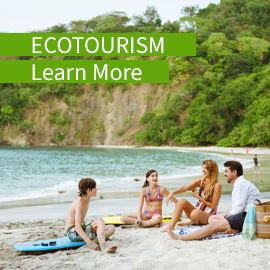
Costa Rica is practically synonymous with ecotourism—travel that incorporates education about the environment and promotes preservation of natural resources. The country has a large number of national parks and nature preserves that boast a rich array of birds, mammals, reptiles and rain-forest plants. The variety of birds, in particular, is astounding: Some 850 species are packed into a relatively small area.
The country also excels in adventure sports, including surfing, mountain biking, river rafting, hiking and scuba diving. Those who prefer a less strenuous vacation can view several active volcanoes, take boat trips down jungle rivers and float through the treetops in a rain-forest aerial tram or speed through the forest canopy on any of several dozen thrilling zipline systems.
Geography
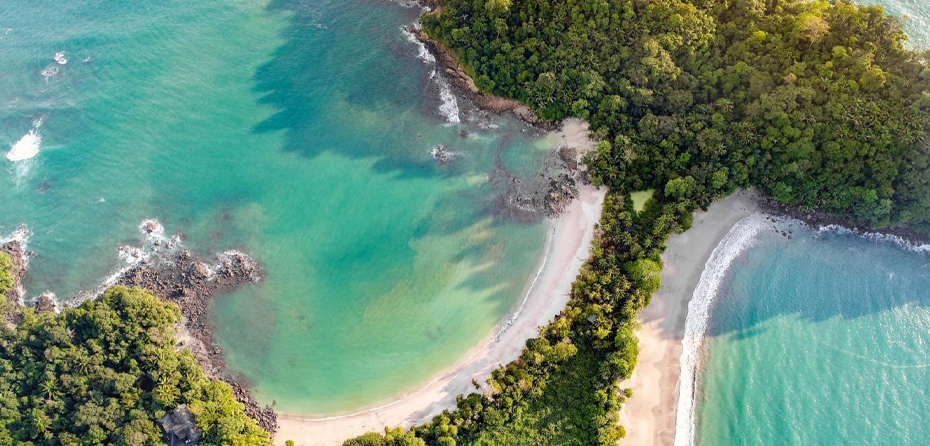
A small country—just 75 mi/120 km separates the Pacific Ocean from the Caribbean Sea at the narrowest spot—Costa Rica still has some of the most diverse scenery in the world. Its coasts have both sandy beaches and marshy swamps, and its interior is dotted with volcanoes and rugged mountain chains, dense rain forests and abundant, unusual flora.
Its geographic diversity and elevation, ranging from sea level to more than 13,000 ft/4,030 m atop Cerro Chirripo, have blessed the nation with 12 distinct life zones. The most secluded area in Costa Rica is the Oso Peninsula in the southern part of Puntarenas Province. It is true jungle rain forest, and it has one of the most diverse ecocultures in the world. It is difficult to traverse, and tourists often have to receive permission before they are flown in to visit the area.
Approximately 25% of the country's land has been set aside in protected areas, earning Costa Rica a reputation as an environmentally sensitive country and leader in ecological conservation. However, nonprotected areas have not fared so well: During the past few decades, Costa Rica has had one of the highest rates of deforestation in the world. The country is now coming to terms with the large resorts being built to serve the growing numbers of travelers and a condominium construction boom that has been spawned in its wake.
History
Columbus first saw this portion of Central America in 1502 during his last trip to the New World. But Spanish settlement did not begin until the mid-1500s because early expeditions were beset by disease and resistance from the indigenous people. The Spanish did find some gold in the area—inspiring the name Costa Rica (Rich Coast)—but not the large reserves they sought.
Colonization proceeded slowly along the east coast until the Spanish finally moved to the cooler, fertile valleys and mesas of the interior, known as the Central Valley. The predominantly mountainous terrain kept the plantation system, with its attendant slavery, from developing in Costa Rica (an exception was the far northwest plains). Instead, the colonists gathered near the indigenous communities and built small-scale subsistence farms. Towns grew slowly and evolved intense rivalries for political dominance.
Such independence and self-reliance are thought to be the reasons democracy came more naturally to Costa Rica than to its neighbors when the country gained its independence in the early 1820s. Brief civil wars erupted among the major cities in which the more liberal forces of San Jose emerged victorious, moving the country toward fair, democratic elections in the late 1800s and establishing San Jose as the undisputed capital.
In the 1940s the country became politically polarized, and civil war broke out once again. After a brief struggle, socialist insurrectionist Jose Maria "Don Pepe" Figueres emerged as the country's leader. He continued to be a central figure in Costa Rican politics through the 1970s, overseeing reforms that helped keep the country peaceful and prosperous in a region known for its armed conflicts and wretched poverty.
Costa Rica abolished its military in 1948 and invested in education and public-health facilities, actions that helped prevent a flood of rural poor into the major cities. These measures have prompted many to view Costa Rica as a model Latin American country, although it has had its share of economic problems that accelerated in the 1980s and continue today. Costa Rica has cut back on its extensive social programs to deal with a large national deficit, massive internal debt and a massive influx of Nicaraguan refugees and unemployed. Costa Rica has, in illegal Nicaraguan neighbors who are seeking the "Costa Rican dream," a problem similar to that of the U.S. with illegal aliens seeking the American dream.
The tourism boom that began in the 1980s has brought rapid development to much of the country. Nonetheless, Costa Rica's democratic system has been challenged by corruption and cronyism—several past presidents have been indicted. In 2006, former President Oscar Arias (winner of the 1987 Nobel Peace Prize) was re-elected president after successfully lobbying for a constitutional change permitting presidents to serve more than one term. In 2010, Costa Rica elected its first female president, Laura Chinchilla. Luis Guillermo Solis succeeded her in 2014, and in 2018 , 38-year-old Carlos Alvarado Quesada was elected as one of the youngest presidents in the country's history. In 2022, Rodrigo Chaves Robles was elected president.
Snapshot
The main attractions of Costa Rica are amazingly diverse natural beauty, wildlife, bird-watching, black- and white-sand beaches, deep-sea and river fishing, scuba diving, snorkeling, casinos, surfing, white-water rafting, volcanoes, horseback riding, good restaurants, world-class resorts and spas, and its friendly, well-educated people (often known simply as Ticos).
Those who enjoy exotic plants and animals and those who participate in outdoor activities will get the most out of Costa Rica. To observe the country's varied forests, visitors need to be moderately fit and comfortable with the claustrophobic, often damp jungle environment, or with the hot, dry conditions of the forests in the province of Guanacaste to as far south as northern Nicoya Peninsula.
Potpourri
You're likely to notice that plastic-surgery and medical vacations are advertised heavily as a tourism option in Costa Rica. If people you know return from a trip to Costa Rica looking younger, healthier and particularly refreshed, it may be that they went under the knife.
Costa Rica has a rich mix of races and ethnicities. Two of the nation's heroes are NASA astronaut Franklin Chang, a Costa Rican of Chinese ancestry, and Olympic swimmer Claudia Poll, whose parents emigrated from Germany. Poll won the first gold medal in the country's history at the 1996 Summer Olympics in Atlanta.
Ticos take a little bit of nature into their homes with pets (a lot of birds) and flowers and plants. Even the simplest home will have pots of flowers and plants in the yard.
In the 1850s, Costa Rica was invaded by an army led by American William Walker, who had earlier taken over Nicaragua and hoped to rule all of Central America. A hastily convened and poorly equipped Costa Rican army defeated Walker's forces, spoiling his plans of empire and leading to his eventual demise.
Hotel Capitan Suizo in Tamarindo has a program to rescue orphaned howler monkeys, nurse them back to health and protect them from predators in special open-topped cages at night. Two troupes of howlers visit the hotel regularly, and during those visits, the orphans play with the other babies from the troupe and then retire to their cages when the others leave. Once the orphans regain their strength, they should be adopted by one of the groups.
Costa Rica was the first country in Central America to grow coffee (in 1808) and bananas (in the 1870s). Coffee is often referred to in Costa Rica as grano de oro, or grain of gold.
The most mysterious relics of pre-Columbian culture are the perfectly round stone spheres—up to 6 ft/2 m in diameter—that are scattered throughout southern Costa Rica in the Diquis Delta archaeological zone. Archaeologists can explain almost nothing about them. The spheres are under consideration as a UNESCO World Heritage site.
The seed from a guanacaste tree is unusually large, round and hard and has a glossy sheen. Costa Ricans believe that to give someone one of these seeds brings good luck to the recipient of the gift. The recipient in turn gives the seed to another person to bring good luck to that person.
Location
Costa Rica has two cruise terminals. On the Caribbean side, ships dock at Puerto Limon. The Puerto Limon terminal has its own crafts market with more than 100 artists, phones, a pharmacy and salons offering manicures, pedicures and massages when a cruise ship is in port. Taxis are available both inside and outside the terminal gates. Only one block from the town's main square, the Limon port is well-located for exploring on foot. A selection of shops, restaurants and internet cafes is within a 10-minute walk of the port.

On the Pacific, ships dock at the cruise-ship pier in Puntarenas City. A tourist information center and an air-conditioned waiting room offering international call service, a bank and a snack shop are located directly in front of the dock. Cruise visitors are greeted by tour companies promoting trips to popular destinations and a wall of vendors selling arts and crafts along the boardwalk. The town is small enough to explore on foot. A walking map is available at the tourist information center. Outdoor restaurants and cafes are just steps from the dock, many of which line the boardwalk, known as the Paseo de los Turistas.
About one quarter of arriving ships dock at the container port of Puerto Caldera, 8 mi/13 km south of Puntarenas City. This dock is primarily used when a transfer is involved. Principally a container-ship terminal, Caldera has few facilities for cruise passengers. A tourist information center offering international phone service is open when a ship is in port. Taxis are available.
Shore Excursions
Cruise-ship passengers can choose from two dozen or so exciting shore excursions. On the Caribbean, the most popular offerings include nature excursions along the canals leading to Tortuguero National Park (cruise-ship time limitations prevent full tours of this very isolated national park); tours of the Costa Flores horticultural farm; a ride on the Rain Forest Aerial Tram; trips to the Caribbean surfer capital of Puerto Viejo or the heavily Caribbean-influenced Cahuita; a visit to the Veragua Rainforest Research and Adventure Park; and white-water rafting on the Reventazon River.
Passengers arriving at Puntarenas City or Puerto Caldera are typically offered day trips to San Jose, and to Poas Volcano and Sarchi (the center for crafts); a catamaran excursion to Isla Tortuga; a ride on the Pacific Aerial Tram; a trip to Jaco to enjoy its surfer culture; and a hike in Monteverde Cloud Forest Reserve or Manuel Antonio National Park.
Elevating Your Costa Rican Escape: Why a Specialized Travel Agent is Essential
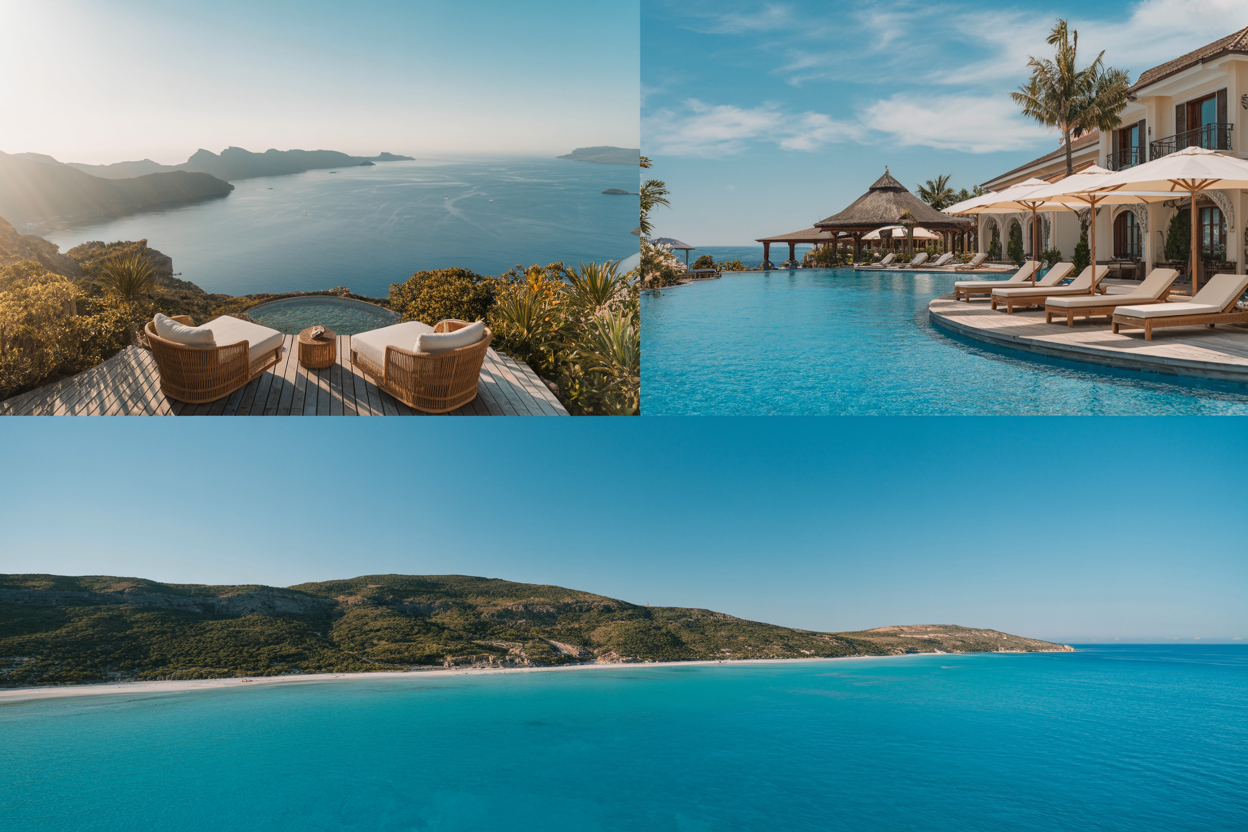
Costa Rica, celebrated worldwide for its "Pura Vida" (pure life) philosophy, is a destination that captivates the soul. From the misty cloud forests of Monteverde and the dramatic, steaming peak of the Arenal Volcano to the sun-drenched, surf-swept coastlines of the Papagayo Peninsula and the biodiverse jungles of Manuel Antonio, this Central American gem offers an unparalleled playground for luxury travelers, adventure seekers, and wellness enthusiasts alike. Over the past decade, Costa Rica has evolved from a rugged backpacker haven into one of the globe's premier luxury eco-tourism destinations. World-class resorts, ultra-luxury eco-lodges, and exclusive private estates now sit nestled within pristine rainforests, offering travelers a chance to immerse themselves in nature without sacrificing a single comfort.
However, because Costa Rica is incredibly diverse, planning a vacation that seamlessly blends its different regions, microclimates, and activities requires a high level of expertise. Costa Rica is not a destination where a simple "one-size-fits-all" or single-resort booking suffices. To truly experience the magic of the country, travelers typically choose a multi-destination itinerary, moving from the volcanic highlands to the coastal jungles. Navigating the logistics of these transitions—including regional charter flights, winding mountain roads, seasonal weather patterns, and securing highly vetted local guides—can quickly become overwhelming for those attempting to book independently. This is why working with specialized Costa Rica travel agents is the ultimate way to plan your vacation.
Partnering with the specialized Costa Rica travel agents at Vincent Vacations is the key to transforming a logistically complex trip into a flawless, bespoke VIP experience. Our travel agency brings deep first-hand expertise, established industry relationships, and access to exclusive booking benefits that you simply cannot find when booking on your own. When you partner with us, you don't just book a room—you unlock a world of Signature Travel Network perks, complimentary luxury upgrades, and dedicated support from start to finish. In this comprehensive guide, we will explore the country’s top luxury regions, detail the advantages of booking through Vincent Vacations, compare DIY travel planning against professional booking, and outline a step-by-step vacation timeline to help you plan your dream Costa Rican escape.
The Diverse Regions of Costa Rica: Tailoring Your Perfect Itinerary
A truly memorable Costa Rican vacation is built on curated, high-quality experiences that connect you with the local culture and environment. Our advisors specialize in tailoring itineraries around four central pillars: luxury eco-lodges near Arenal Volcano, private Manuel Antonio rainforest guides, surf retreats on the Papagayo Peninsula, and custom Signature wellness programs. By balancing these elements, we create itineraries that match your personal interests, physical comfort, and desired level of adventure.
1. Luxury Eco-Lodges Near Arenal Volcano: Geothermal Sanctuaries
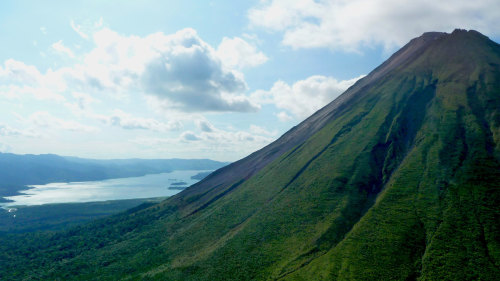
The Arenal Volcano and La Fortuna region serve as the adventure capital of Costa Rica, where towering volcanic peaks rise above lush rainforests, cascading waterfalls, and natural hot springs. In this region, luxury is defined by properties that blend seamlessly into the environment, offering direct contact with nature alongside five-star hospitality. The geothermal activity of the volcano feeds natural hot springs throughout the area, making it a sanctuary for relaxation and rejuvenation.
Properties like Nayara Springs, Nayara Tented Camp, and The Springs Resort & Spa have set new benchmarks for eco-luxury. At Nayara Springs, an adults-only sanctuary, guests stay in private villas featuring plunge pools naturally heated by geothermal springs, surrounded by dense jungle foliage that ensures complete privacy and romance. Nayara Tented Camp offers a family-friendly luxury glamping experience with safari-style air-conditioned tents, private plunge pools, and breathtaking views of the volcano's peak. The Springs Resort & Spa offers a grander resort experience with multiple restaurants, a wildlife sanctuary, and an extensive on-site hot springs complex overlooking the valley.
When booking these properties, our travel agents leverage their direct relationships with resort managers to secure the best villa locations. We understand which tents offer the most unobstructed views of the Arenal Volcano and which villas provide the ultimate privacy. Furthermore, through our network, our clients receive high-value Signature Travel Network resort benefits, including guaranteed luxury upgrades (subject to availability) and substantial resort credits that can be applied toward private thermal pool dining, canopy zipline adventures, or restorative spa treatments. We make sure you experience these geothermal wonders in absolute comfort.
2. Private Manuel Antonio Rainforest Guides: Unlocking Biodiversity
Located on the Central Pacific coast, Manuel Antonio National Park is world-renowned for its combination of pristine white-sand beaches, calm turquoise waters, and lush rainforests teeming with wildlife. It is one of the best places in the world to see sloths, monkeys, toucans, and iguanas in their natural habitat. However, because of its popularity, the park limits daily visitors, and the trails can become crowded, making it difficult to spot animals without professional assistance.
To truly appreciate the park’s immense biodiversity, a private Manuel Antonio rainforest guide is absolutely essential. Self-guided tourists often walk right past camouflaged leaf-cutter ants, sleeping screech owls, two-toed sloths high in the canopy, or tiny poison dart frogs. Our agency partners exclusively with certified, local naturalist guides who are not only experts in biology and ecology but also bring high-powered spotting telescopes, ensuring you get a crystal-clear look (and photo) of the wildlife. A private guide also allows you to set your own pace, ask detailed questions, and navigate the park's trails away from the large tour groups.
Our advisors handle the entire booking process, securing entry tickets (which must be purchased well in advance due to strict daily caps) and arranging a private transfer from your resort directly to the park gates. This ensures a hassle-free transfer and a seamless morning of exploration, followed by a relaxing afternoon on the park's secluded beaches. With the help of your guide, you will gain a deep understanding of Costa Rica's conservation efforts and leave with a profound appreciation for its rich ecosystems.
3. Elite Surf & Beach Retreats in the Papagayo Peninsula: Sun, Sea, and Elite Breaks
For those seeking pristine beaches, calm bays, dry tropical forests, and world-class surfing, the Papagayo Peninsula in the Guanacaste province is the ultimate destination. This exclusive gated peninsula is home to Costa Rica’s most prestigious luxury resorts, including the Four Seasons Resort Costa Rica at Peninsula Papagayo and the Andaz Costa Rica Resort at Peninsula Papagayo. The Papagayo Peninsula offers a different climate than the rest of the country, with drier, sunnier weather for most of the year.
The waters within the gulf are calm and perfect for paddleboarding, kayaking, and snorkeling. However, just a short boat ride away lie some of the most legendary surf breaks in Central America, including Witch’s Rock and Ollie’s Point. Whether you are an experienced surfer looking to ride these iconic breaks or a beginner wanting to learn in the calm waters of Culebra Bay, our advisors can curate the perfect surf retreat. We coordinate private yacht charters to take you directly to Witch's Rock, complete with professional guides, top-of-the-line surfboards, and gourmet catering.
By booking your Papagayo stay through Vincent Vacations, you unlock exclusive benefits at both the Four Seasons and Andaz resorts. These include daily breakfast credits for two, spa credits, and prioritized room upgrades to oceanfront suites. Whether you want to spend your days hitting the waves or relaxing in a private beach club, we ensure that your stay is elevated by the highest levels of service and comfort.
4. Signature Wellness Programs: The Pura Vida Philosophy in Practice
Wellness is not just an activity in Costa Rica; it is a way of life. The country’s natural beauty, clean air, and abundance of fresh, organic food make it the ideal setting for a wellness retreat. Many of our partner resorts offer comprehensive, customized wellness programs designed to restore physical and mental balance. From open-air yoga decks overlooking the canopy to volcanic mud wraps and thermal water therapies, wellness programs are woven into the fabric of your stay.
Resorts like The Retreat Costa Rica and wellness sanctuaries within Arenal and Papagayo eco-lodges offer highly customized programs. These programs often include personalized consultations with wellness experts, daily yoga and meditation classes, forest bathing (Shinrin-yoku) led by certified guides, and farm-to-table culinary programs tailored to your dietary needs. The goal is to provide a holistic experience that rejuvenates the body, mind, and spirit.
Our first-hand expertise allows us to guide you to the resorts that offer the most authentic wellness experiences. We collaborate directly with resort spa directors to pre-book your wellness consultations, schedule private yoga sessions, and ensure that any specific wellness goals—whether detoxifying, stress reduction, or physical rehabilitation—are met with a customized program. When you return home, you will carry the true spirit of Pura Vida with you.
Why Book with Vincent Vacations? Signature Perks & Luxury Upgrades
In the age of online booking engines, it is easy to assume that planning a trip online is the most efficient path. However, when planning a complex, multi-destination luxury vacation in Costa Rica, booking directly online often leads to missed opportunities, lack of VIP recognition, and a lack of support when things go wrong. As a premier travel agency and member of the prestigious Signature Travel Network, we provide our clients with exclusive value-adds that enhance their travel experience and save them money.
When you book your Costa Rica resort stay through Vincent Vacations, you gain access to Signature Travel Network perks at our preferred partner properties, such as the Four Seasons, Andaz, and Nayara resorts. These high-value benefits typically include:
- Complimentary Room Upgrades: Based on availability at the time of check-in, our clients are prioritized for upgrades to higher room categories, such as moving from a garden-view room to a partial ocean-view or volcano-view suite, representing hundreds of dollars in added value per night.
- Daily Breakfast Credits: Enjoy complimentary daily breakfast for two guests throughout your stay. At luxury resorts, breakfast can easily cost $45 to $65 per person per day; this perk alone can save you hundreds of dollars over the course of a week.
- Exclusive Property Credits: Receive a resort credit (typically $100 USD) per stay, which can be used for dinner at a fine dining restaurant, private canopy tours, or a rejuvenating treatment at the resort spa.
- Flexible Check-In and Check-Out: Request early check-in and late check-out privileges (subject to availability) so that you can make the most of your travel days and enjoy the pool right up until it is time to head to the airport.
- Custom Welcome Amenities: Receive specialized welcome gifts, local organic chocolates, fresh tropical fruit baskets, or a bottle of chilled sparkling wine waiting in your room, along with a personal note welcoming you as a VIP guest.
Beyond these tangible perks, the greatest benefit of working with Vincent Vacations is our personal advocacy and first-hand expertise. We maintain direct relationships with resort general managers, sales directors, and guest relations managers in Costa Rica. Before you arrive, we reach out to the property to flag you as a VIP guest, highlight any special milestones you are celebrating (such as an anniversary, birthday, or honeymoon), and ensure your specific room preferences are noted. If you experience any travel disruptions, such as flight delays, cancellations, road closures, or medical emergencies, our advisors are available to handle the logistics, manage rebookings, and coordinate with the resort and transfer companies, allowing you to enjoy a completely hassle-free transfer and peace of mind.
DIY Booking vs. Partnering with Vincent Vacations
To help you understand the difference between planning a Costa Rican vacation on your own versus booking with the travel professionals at Vincent Vacations, we have outlined the key differences in the table below:
| Travel Aspect |
DIY Booking (Self-Planned Online) |
Booking with Vincent Vacations |
| Room Upgrades & VIP Status |
Standard retail priority. Upgrades are rarely offered unless purchased at full price during booking or check-in. |
Priority access to complimentary luxury upgrades upon arrival based on our preferred partner relationships. |
| Value-Added Dining Perks |
All meals and breakfasts are paid out-of-pocket at standard resort prices, which can quickly add up. |
Complimentary daily breakfast credits for two and exclusive property credits to spend on dining or activities. |
| Property Amenities & Credits |
None. All resort activities, spa treatments, and canopy excursions are paid at the standard retail rate. |
Access to Signature Travel Network perks including resort, dining, or spa credits (typically $100 USD per room). |
| Local Knowledge & Room Selection |
Relies on public online reviews, generic photos, and search engines that may not accurately represent room locations, volcano views, or privacy levels. |
Personalized advice based on first-hand expertise. We know the resort layouts, the best villas, and quietest rainforest areas. |

| Airport Transfers & Logistics |
Navigating unfamiliar roads in a rental car, waiting in long taxi lines, or booking shared shuttle buses with multiple stops and no AC. |

Pre-arranged, private hassle-free transfers in air-conditioned vehicles, directly between your resorts and airports. |
| In-Trip Support & Advocacy |
If a flight is delayed or cancelled, or if a mudslide blocks a mountain road, you must wait on hold with customer service and manage rebookings yourself. |
24/7 dedicated support. Your travel advisor manages all flight changes, resort notifications, and transfer adjustments on your behalf. |
As the comparison shows, partnering with Vincent Vacations goes far beyond securing a hotel reservation. It ensures that every aspect of your Costa Rican vacation is optimized for value, convenience, luxury, and peace of mind.
Step-by-Step Costa Rica Vacation Planning Timeline
To ensure that you secure your preferred luxury resort, room category, flight options, and exclusive experiences, we recommend using this structured timeline as your planning checklist. Your Vincent Vacations advisor will guide you through each phase of this process.
Phase 1: 6 to 9 Months Before Departure (Foundations & Booking)
- Consult with your Vincent Vacations advisor: Discuss your budget, travel dates, resort preferences (eco-lodges vs. beach retreats), and what you want to experience in Costa Rica.
- Choose and book your resort: Secure your room or suite at Nayara Springs, Andaz, Four Seasons, or The Springs. This is particularly crucial if you are traveling during peak holiday seasons (December to April) when these resorts operate at 100% capacity.
- Select and book flights: Work with your advisor to find the best flight schedules, routing, and cabin categories. We recommend booking flights early to secure the best rates and seating configurations.
- Purchase Travel Insurance: Protect your investment with a comprehensive travel insurance policy that covers flight cancellations, medical emergencies, and travel delays.
Phase 2: 3 to 6 Months Before Departure (Excursions & Guides)
- Book exclusive excursions: Costa Rica has a wealth of land and sea adventures. We recommend pre-booking popular excursions, such as a private catamaran snorkeling charter, a guided canopy zip-line tour, or a white-water rafting trip.
- Secure private naturalist guides: Reserve your private Manuel Antonio rainforest guide early to ensure you get a top-tier, certified naturalist who will enrich your park experience.
- Reserve spa treatments and wellness programs: Coordinate with your advisor to design your customized wellness program, reserve spa sessions, and schedule private yoga classes.
- Arrange inter-valley transfers: Plan your transportation between regions (e.g. Arenal to Manuel Antonio). Your advisor will organize private, air-conditioned ground transfers to ensure a hassle-free transfer.
Phase 3: 1 to 2 Months Before Departure (Documentation & Packing)
- Review your passports: Ensure that all passports are valid for the duration of your stay in Costa Rica. US, Canadian, and EU citizens do not require a tourist visa for stays under 180 days, but they must show proof of return travel.
- Confirm room preferences and dietary requirements: Your advisor will contact resort managers to convey your preferences, dietary needs, and highlight any special milestones you are celebrating.
- Finalize your packing list: Pack lightweight, quick-dry clothing, sturdy hiking shoes, rain gear, reef-safe sunscreen, polarized sunglasses, and bug spray containing DEET or picaridin.
Phase 4: 1 to 2 Weeks Before Departure (Final Preps)
- Receive your final travel documents: Your Vincent Vacations advisor will provide a comprehensive itinerary containing your flight details, resort confirmation numbers, private transfer instructions, and excursion details.
- Confirm airport logistics: Double-check bag fees, flight times, and transport to your departure airport. Keep in mind that regional domestic flights have strict luggage weight limits.
- Pack your bags: Keep your passports, prescription medications, and travel documents in your carry-on bag.
Phase 5: During Your Stay (Relaxation & Support)
- Enjoy the Pura Vida lifestyle: Arrive at the airport, look for your private transfer driver holding a sign with your name, and begin your luxury getaway.
- In-trip support: If you need to make any changes to your itinerary, add an excursion, or require assistance, simply contact your Vincent Vacations advisor. We are here to support you throughout your entire vacation.
Frequently Asked Questions (FAQ)
Here are answers to the questions our luxury travel advisors receive most frequently from clients planning a trip to Costa Rica:
Why should I book my Costa Rica vacation with a travel agent instead of doing it myself online?
Booking with Vincent Vacations gives you access to high-value Signature Travel Network perks (like free room upgrades, daily breakfast credits, and property credits) that online booking engines cannot offer. We save you hours of research, provide personalized recommendations based on our first-hand expertise, and act as your direct advocate if flights are delayed or plans change. We handle all the complex ground logistics, private transfers, and guide bookings, ensuring a seamless, VIP experience from start to finish.
What is the difference between the dry season and the green season in Costa Rica?
The dry season runs from mid-December through April and offers sunny days and very little rain, making it the most popular time to visit. However, it is also the busiest and most expensive time of year. The green (or rainy) season runs from May through November. During this time, the landscape is incredibly lush and green, and you will experience fewer crowds and lower resort rates. Rain typically falls in afternoon showers, leaving the mornings sunny and perfect for outdoor excursions. September and October are the wettest months on the Pacific side, but are actually the dry season for the Caribbean coast.
How do I travel between different regions, such as Arenal to Manuel Antonio?
Costa Rica's terrain is mountainous, and driving yourself can be stressful due to narrow, winding roads, changing weather, and lack of clear signage. We highly recommend using private ground transfers in air-conditioned vehicles with professional local drivers, which our advisors will arrange for you. This ensures a hassle-free transfer, allowing you to relax and enjoy the scenic views. For longer distances, such as traveling to the Osa Peninsula, we can arrange short, domestic flights on regional carriers.
Is Costa Rica safe for families and solo travelers?
Yes, Costa Rica is widely recognized as one of the safest and most stable countries in Latin America. It has a well-developed tourism infrastructure, friendly locals, and a strong emphasis on tourist safety. As with any travel destination, we recommend taking standard precautions, such as not leaving valuables in cars or unattended on the beach. Booking your transfers, excursions, and hotels through Vincent Vacations adds an extra layer of security and support during your journey.
Which airport should I fly into for my Costa Rica vacation?
Costa Rica has two main international airports: Juan Santamaría International Airport (SJO) in San José and Guanacaste Airport (LIR) in Liberia. SJO is best if your itinerary includes Manuel Antonio, the cloud forests of Monteverde, or the Osa Peninsula. LIR is the best choice if you are heading directly to the Papagayo Peninsula or other beach resorts in the Guanacaste province. Arenal Volcano is located roughly equidistant from both airports (about a 2.5 to 3-hour drive), so you can fly into either depending on flight availability and pricing.
What are the benefits of having a private guide in Manuel Antonio National Park?
A private Manuel Antonio rainforest guide is essential for spotting the incredible wildlife that makes the park famous. Certified naturalist guides have years of training, know the animals' habits, and carry high-powered spotting scopes that allow you to see animals high in the trees. Without a guide, it is very easy to walk right past sleeping sloths, small monkeys, and camouflaged frogs. Additionally, a private guide tailors the tour to your pace, answers questions, and navigates the park to avoid large tourist groups.
What should I pack for my Costa Rica vacation?
Because Costa Rica has many microclimates, we recommend packing in layers. Essential items include lightweight, quick-dry clothing, a breathable rain jacket, sturdy hiking shoes or trail runners, swimwear, water shoes or sandals with straps, reef-safe sunscreen, polarized sunglasses, a wide-brimmed hat, and insect repellent containing DEET or picaridin. If you are participating in water activities or boat transfers, a dry bag to protect your phone and camera is highly recommended.
Can Vincent Vacations help with destination weddings, honeymoons, or group travel to Costa Rica?
Absolutely! We specialize in romance and group travel. Whether you are planning a destination wedding, a milestone anniversary trip, a honeymoon, a multi-generational family reunion, or a corporate incentive group, our advisors have the resources and partnerships to handle room blocks, group events, private transfers, and customized itineraries. We work closely with the resort event coordinators on the island to ensure your celebration is flawless.
Secure Your VIP Experience in Costa Rica Today
Costa Rica's lush rainforests, towering volcanoes, pristine surf beaches, and luxury resorts are waiting for you. Don't leave your dream vacation to chance by booking through a generic website. Partner with the destination experts at Vincent Vacations to design a customized, luxury itinerary filled with VIP recognition, Signature Travel Network perks, and luxury upgrades.
Let us handle all the details—from selecting the perfect suite to arranging private transfers and booking the best dining reservations. Contact the travel experts at Vincent Vacations today by calling 1 (888) 883-0460 or request your customized travel quote online at https://www.vincentvacations.com/get-a-quote. We look forward to helping you experience the ultimate Costa Rican vacation!
Contact us for the latest Costa Rica deals.