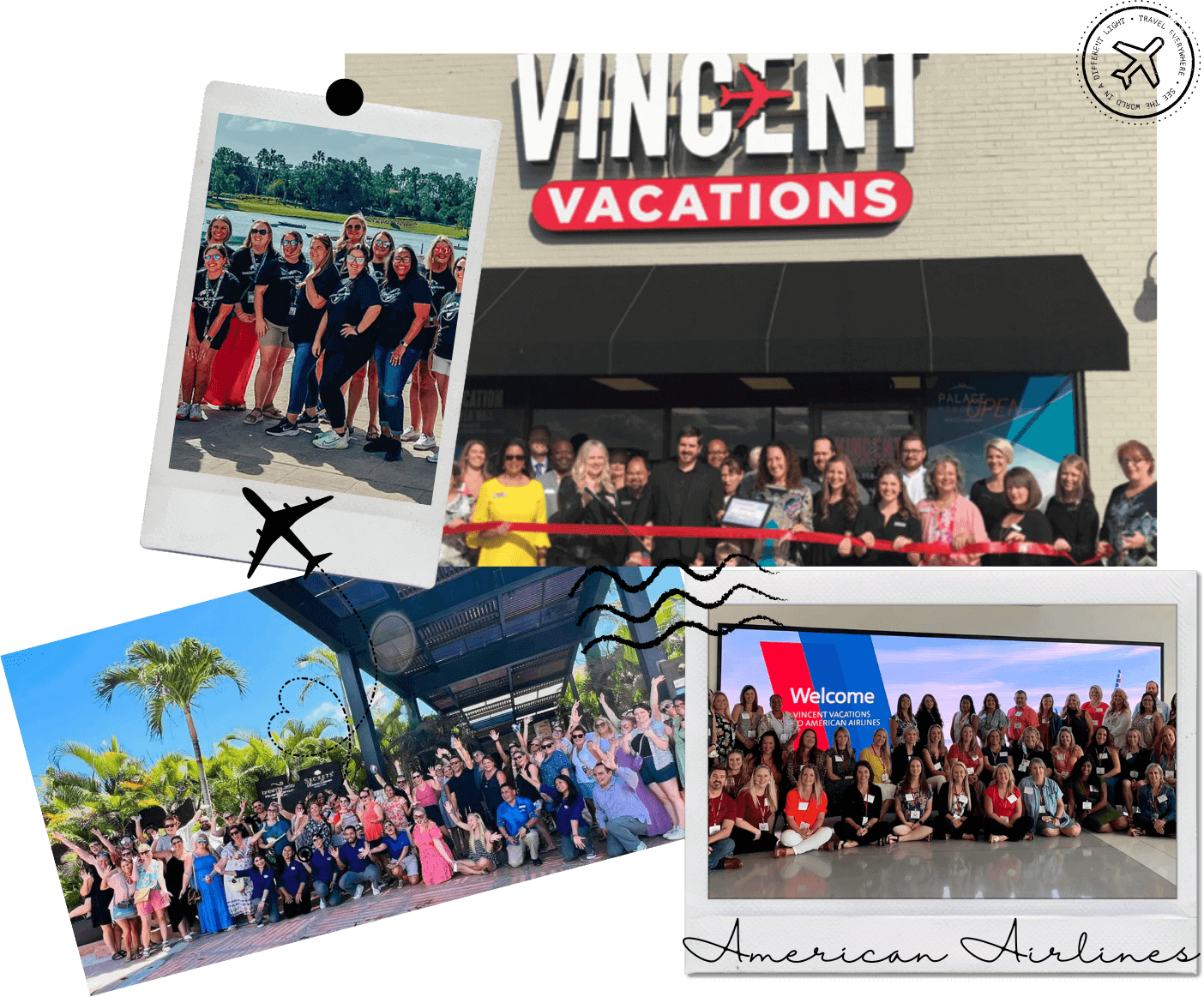
Are you planning a trip inspired by Suppliers/massachusetts? At Vincent Vacations, our passionate travel specialists specialize in organizing custom itineraries centered around Suppliers/massachusetts. We coordinate every detail, from matching you with the right cruise cabins or resort suites to arranging flights and private transfers.
Overview
Introduction
From the wild seacoast that beckoned Pilgrims in 1620 to the stone walls that sheltered Minutemen in 1775, Massachusetts has been the site of some of the defining moments in U.S. history. It's a land of superlatives (especially firsts and oldests). Not surprisingly, most visitors to the state go looking for things that will fulfill their vision of the nation's colonial and Revolutionary past.
Happily, Massachusetts lives up to such expectations. Its small towns remain repositories of 200-year-old homes; sailing ships continue to bob in the harbors; and fine living-history museums let travelers experience sights, sounds and activities of centuries past.
This isn't to say that Massachusetts is all picture-postcard views and well-preserved communities. It's as contemporary as any state, with a thriving arts scene, bustling nightlife and a well-developed transportation system. Taken as a whole, it's an enjoyable combination of what's now and what came before.
Geography
The eastern portion of the state, bounded by the Atlantic Ocean, consists of a dramatic, jagged coastline to the north and the sandy beaches of Cape Cod curving to the south and east. Rocky soil and rolling terrain gradually give way to the fertile Connecticut River Valley midstate, then to the Berkshire Hills in the west and the Taconic range on the border with New York state.
History
For many centuries prior to the arrival of the Pilgrims aboard the Mayflower in 1620, members of various Native American tribes had been living in coastal and inland areas of what became England's Massachusetts Bay Colony. The Native Americans depended upon hunting, fishing and gathering, and they found the tidal marshes to be especially rich troves. Archaeologists have discovered seashell middens, or trash heaps, on Martha's Vineyard that date back more than 4,000 years. In time, the tribes added to their larders by cultivating maize (corn), beans, squash and tobacco. Upon debarking at the present-day location of Plymouth, the Pilgrims found themselves among the Wampanoag people. Other tribes in the area included the Algonquin, Mohegan, Nipmuck, Micmac, Abenaki, Pawtuxet and Pequot.
The Native Americans initially got on well with the Europeans who established settlements in the early 1600s at Salem, Charlestown and Boston. But it wasn't long before the colonists dominated the land, and tensions mounted. King Philip's War erupted in 1675, pitting a confederation of tribes against the colonists. By the end of the conflict, Native Americans had been forced from most parts of southern New England.
The Puritans (not the same as the Pilgrims) controlled Massachusetts Bay Colony and ruled the area for several decades, but the company's charter was revoked in 1684, which reduced their political power. In the 1690s, Salem was rocked by witchcraft trials that resulted in 20 executions.
Resisting British attempts to control trade and impose taxation without representation, rebellious Massachusetts citizens were at the vanguard of the independence movement in the late 1700s. They initiated such classic outbreaks of dissidence as the Boston Tea Party and, at Lexington and Concord, the first armed confrontations between British troops and American rebels. (The legendary Minutemen originated in Massachusetts.)
After independence was secured, Massachusetts concentrated on becoming the economic powerhouse of New England, initially through fishing and whaling and then, as the industrial revolution took hold, through manufacturing, especially textiles. Long one of the nation's more progressive states, Massachusetts fostered the antislavery abolitionist movement of the 1800s and Democratic liberalism of the 1900s.
The state continues to exert economic, political and academic impact on national affairs, at a level perhaps unusual for its relatively small size. Today, Massachusetts is home to major service industries, top-flight universities, stock brokerage firms and high-tech companies. Commercial fishing remains an important endeavor.
Snapshot
Among Massachusetts' main attractions are historic sites, Boston, sailing ships, scenic drives, rocky seacoasts, lighthouses, Cambridge, Norman Rockwell's Stockbridge, Cape Cod, skiing, seafood, Nantucket and Martha's Vineyard, museums, shopping, the Berkshires, Boston Symphony summer concerts at Tanglewood, whale-watching, top colleges, fall foliage, patriotic festivals, arts and cultural events.
Most everyone will find something to please them in Massachusetts, though people interested in Early American history may get the most out of the state.
Potpourri
Massachusetts proudly claims the chocolate-chip cookie as the state cookie. It was reportedly created at the Whitman Toll House Restaurant in 1930. Massachusetts also has a state beverage (cranberry juice) and a state muffin (corn).
Though Paul Revere gets the glory for warning residents that the British were coming in 1775, he had help. William Dawes spread the news in another direction and Dr. Samuel Prescott was the man who actually got word to Concord after Revere was stopped by a British patrol. Prescott's involvement was accidental. He was heading home after a late evening of romance with his fiancee when he encountered Revere and Dawes.
Massachusetts has probably produced more famous writers than any other state—Henry David Thoreau, Ralph Waldo Emerson, Herman Melville, Louisa May Alcott, Nathaniel Hawthorne, Emily Dickinson and Jack Kerouac. Theodor Geisel (better known to children of all ages as Dr. Seuss) was born in Springfield.
In the charming town of Sudbury, you'll find both the Wayside Inn, made famous by Henry Wadsworth Longfellow's Tales of a Wayside Inn, and the schoolhouse to which Mary's little lamb is said to have followed her.
In 1892, the first game of basketball (using two wooden peach baskets) was played in Springfield. Three years later, volleyball was invented in Holyoke.
The Fig Newton, created in 1891 by the Kennedy Biscuit Company, is named after the town of Newton, which is just west of Boston.
Boston Light, blinking on Little Brewster Island in Boston Harbor since 1716, was the first lighthouse built in the U.S.
America's first subway system can be found in Boston. The Tremont Street Subway opened its doors to riders in 1897.
Patriot's Day, a statewide holiday, is celebrated the third Monday in April, and the famed 26-mi/42-km Boston Marathon always takes place that day.
John "Johnny Appleseed" Chapman became a legend for planting apple trees in the Midwest in the early 1800s, but he was born in Leominster, Massachusetts.
At Vincent Vacations, we design bespoke travel experiences that combine luxury resort properties with custom private tours and expert local guides, guaranteeing an extraordinary vacation.
Contact us for the latest Massachusetts deals.