Vincent Vacations
Ocean Cruises
River Cruises
Expedition Cruises
Yacht & Sailing
Guided Land Tours
Resorts & Hotels
1 Room, 2 Adults
1 Room, 2 Adults
ASTA Accredited Agency
American Airlines Travel Agents
Disney Authorized Travel Agents
Universal Certified Travel Agents
Sandals Certified Travel Agents
Disney EarMarked Agency
ALGV Travel Agents
WeddingWire Agency
Aulani Travel Agents
IATAN Accredited Agency
TheKnot Agency
College of Disney Knowledge Travel Agents
Travel Leaders
galapagos islands Travel Agents

The Best galapagos islands Travel Agents

Vincent Vacations certified luxury planners arrange custom bookings, upgrades, and Signature network perks.

The Premier Advisory Group for galapagos islands

Orchestrating an extraordinary travel experience focused on galapagos islands is the ultimate way to create lasting memories. Our certified curators turn your travel aspirations into beautifully crafted, seamless journeys. We secure premium perks and negotiated rates for your galapagos islands vacation, ensuring you receive exceptional value.

Through our exclusive membership in the elite Signature Travel Network, we offer room upgrades, resort or shipboard credits, and private hosted events. Connect with our dedicated curators to customize your itinerary today.

Direct Booking vs. Planning with Vincent Vacations

Travel Attribute Standard Direct Booking Vincent Vacations Advantage
Signature VIP Amenities Standard room-only rates Daily complimentary breakfast, $100 resort credits, and early/late check-in privileges
Villa & Suite Upgrades Subject to strict automated tiering Priority category upgrades flagged directly with general managers prior to arrival
Bespoke Excursion Vetting Standard local booking desk availability Custom itineraries with privately vetted guides, verified drivers, and VIP access

Meet Our Certified galapagos islands Specialists

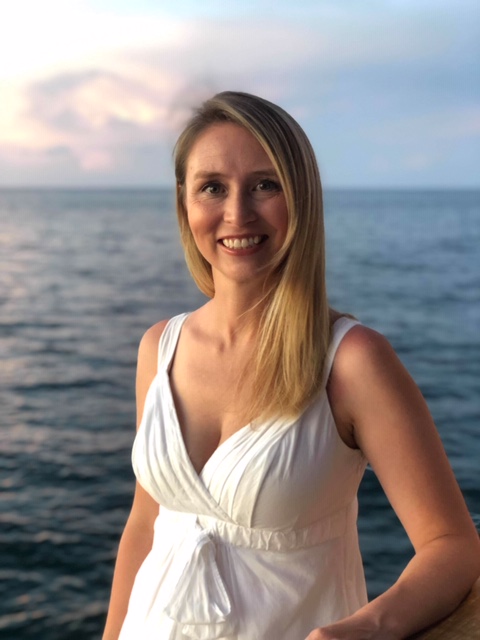
Haley Schrock

Haley Schrock

Certified Resort Specialist
Haley Schrock designs bespoke resort vacations. "I coordinate directly with on-site resort managers and general managers to secure custom amenities, VIP welcome notes, and priority category upgrades for our clients."
Inquire with Haley

Featured Galapagos Islands Cruise Offers

Can't find your perfect cruise? See all the cruises to find the perfect vacation!

See ALL Galapagos Islands Cruise Deals & Offers

Featured Galapagos Islands Tour Offers

Avanti Destinations
Ecuador/Galapagos Islands
Length10 Nights
Departure: October 2023 - December 2026
VIEW TOUR
Alexander+Roberts
Ecuador/Galapagos Islands
Length6 Nights
Departure: January 2026 - December 2026
VIEW TOUR
Alexander+Roberts
Ecuador/Galapagos
Length7 Nights
Departure: August 2026
VIEW TOUR
G Adventures
Ecuador/Galapagos
Length7 Nights
Departure: August 2026
VIEW TOUR
G Adventures
Ecuador/Galapagos
Length8 Nights
Departure: August 2026
VIEW TOUR
G Adventures
Ecuador/Galapagos
Length8 Nights
Departure: August 2026
VIEW TOUR
G Adventures
Ecuador/Galapagos
Length9 Nights
Departure: August 2026
VIEW TOUR

Can't find your perfect vacation? See all our land tours and packages!

See ALL Galapagos Islands Tour Deals & Offers
View Profile >
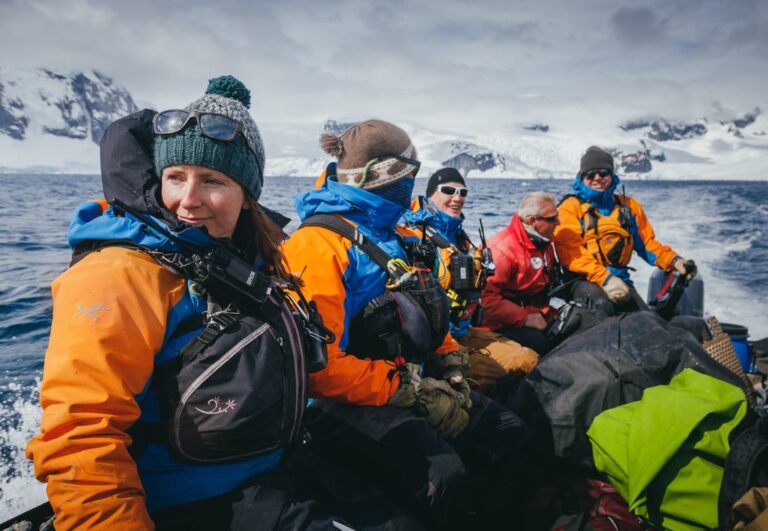
Amanda Burch

Amanda Burch

Bespoke Itinerary Designer
Amanda Burch is a custom FIT travel specialist. "Every destination has unique secrets. I curate custom day-by-day itineraries, arranging private local guides, vetted tours, and seamless logistics to maximize your time."
Landon Morris

Landon Morris

VIP Guest Relations
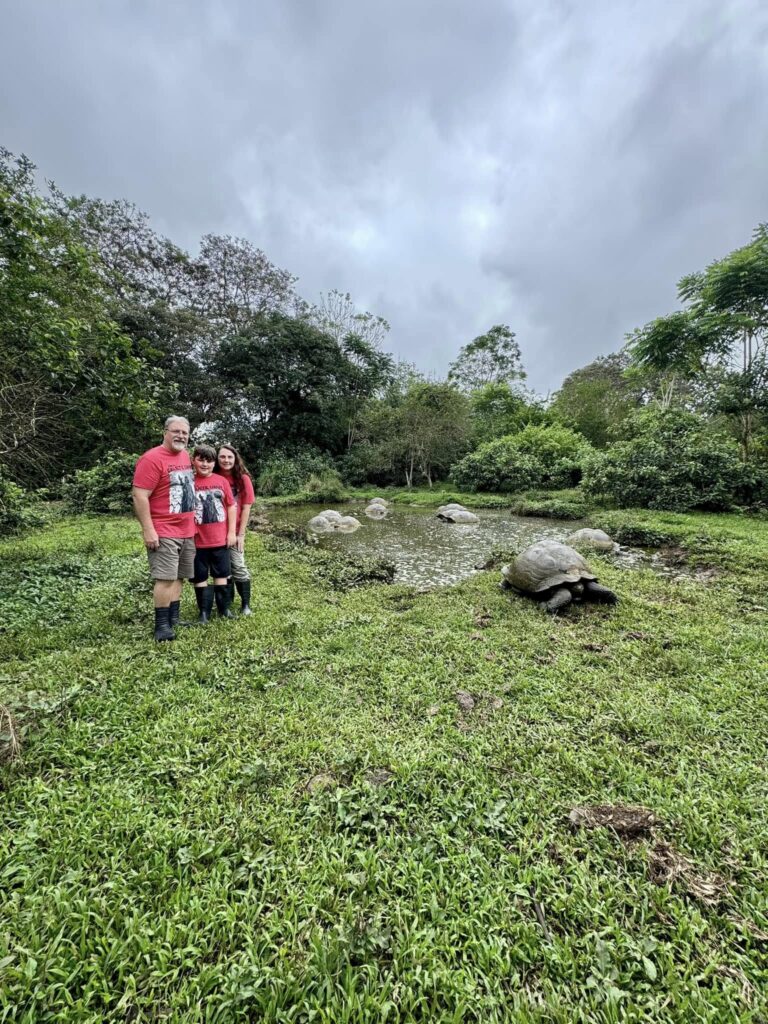
Landon Morris oversees high-end land and resort travel. "My priority is matching your specific travel style to the ideal luxury resort. I remain on call throughout your journey to ensure every detail runs perfectly."

Secure Your Custom galapagos islands Details

Direct consultations are available immediately. Talk to our advisors to coordinate booking logistics and apply exclusive privileges.

Call a Specialist: 1-888-883-0460


Galapagos Islands Packages/Deals & Travel Agents Near Me

blog-image
Exploring the Best of the Galapagos Islands with Natural Habitat Adventures: A Journey of a Lifetime

The Galapagos Islands are one of the most unique and enchanting destinations on Earth, renowned for their remarkable wildlife and ecosystems that have captivated scientists and travelers alike. Located off the coast of Ecuador, this archipelago is a haven for nature lovers and adventure seekers. With its unparalleled biodiversity, the Galapagos offer a once-in-a-lifetime experience that combines exploration, education, and personal growth. Natural Habitat Adventures, a leading provider of nature tours, offers an exceptional way to immerse yourself in this wild paradise.

Read article →

We recognize that vacations are not just an investment, but often the highlights of our lives, and we take that responsibility seriously. We want to ensure you have the best vacation experience. Interested in a job in travel? Click here to learn: How to Become a Travel Agent


<<< Back to Ecuador Travel Agents

Bolivar Canal


Categories: Bolivar Canal


Champion Island


Categories: Champion Island


Floreana Island

The combination of nutrient-rich soil and an adequate water supply make Floreana Island (or Isle Floreana) an island of abundant plant life. Centuries of settlers chose to live and farm on Floreana, giving the island a rich human history. The island ...

Categories: Floreana Island


Gardner Bay

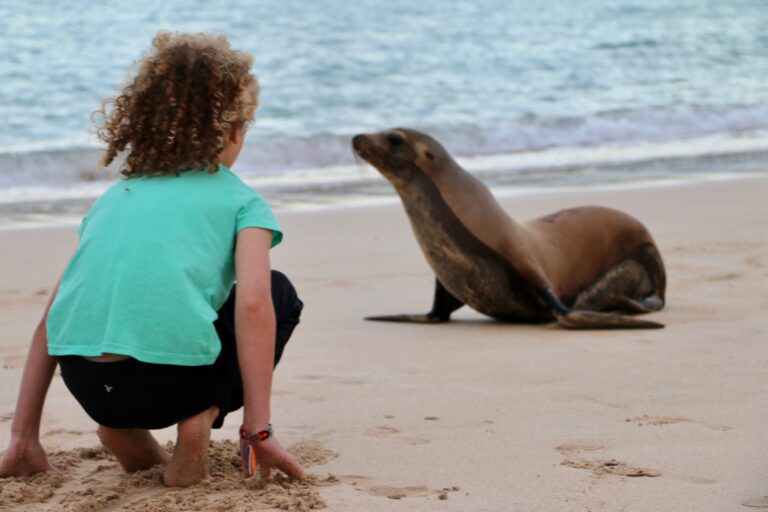
Gardner Bay gives visitors the unique experience of mingling with the friendly sea lions that rest on the white sand beaches. Relax and sunbathe near the sea lions, or possibly explore and discover a green sea turtle nest, or observe giant manta rays...

Categories: Gardner Bay


Genovesa (Tower) Island

The island is home to Darwin Bay and colonies of Frigates, Red Footed and Masked Boobies. Just behind the beach one sees inland tide pools and outcrops of black rock and saltbushes, frequented by feeding Wandering Tattlers, Turnstones, Whimbrels, Lav...

Categories: Genovesa (Tower) Island


Highlands

The Highlands of the Galapagos Islands are split between agricultural lands and forests, and hold a variety of birds, including Darwin's finches. The Galapagos Tortoises also roam freely here. Visitors can view sinkholes, craters, lava tubes, and lag...

Categories: Highlands


Isla Baltra

Today Baltra is the most important airport of Galápagos and a small navy base for Ecuador. Baltra has suffered most from human settling and does not have any visitor sites. Many cruises start from the its harbour and already there pelicans and noddie...

Categories: Isla Baltra


Isla Bartolome

This small, barren island offers guests the opportunity to observe firsthand its volcanic formations and moon-like landscape.

Categories: Isla Bartolome


Isla Champión


Categories: Isla Champión


Isla Daphne

Consisting of two islands, Daphne Major and Daphne Minor, the Isla Daphne is part of the Galapagos Islands. Due to much erosion, Daphne Minor is the smaller of the two islands, though Daphne Major is not easily accessible either, with no more than tw...

Categories: Isla Daphne


Isla Darwin


Categories: Isla Darwin


Isla Edén


Categories: Isla Edén


Isla Española

Among the many sights of this island is Punta Suarez, a rocky point of land where guests may observe various colonies of sea birds as well as other fauna found nowhere else on the planet.

Categories: Isla Española


Isla Fernandina

From a chance to walk on recent lava flows to the opportunity to see the endemic flightless cormorant up close, this island offers it all.

Categories: Isla Fernandina


Isla Guy Fawkes


Categories: Isla Guy Fawkes


Isla Isabela

The largest of the islands, Isabela has the Galapagos' tallest peak—Volcano Wolf—at 5,487 ft/1,646 m. The island resembles a sea horse when seen on a map. Also known as Albemarle, the island was formed when six volcanoes erupted and melded together. ...

Categories: Isla Isabela


Isla Lobos


Categories: Isla Lobos


Isla Mosquera

A channel island between the the islands of Baltra and Seymour, Isla Mosquera is a very flat stretch of white sand with tide pools and rocks. Underwater marine activity is ideal for snorkelers. Adventurers can observe the habitat of Brown Pelicans, B...

Categories: Isla Mosquera


Isla Pinzon


Categories: Isla Pinzon


Isla Rabida

Known for its striking dark-red color, this island is home to a picturesque saltwater lagoon where white-tailed pintail ducks and flamingos congregate.

Categories: Isla Rabida


Isla San Cristobal


Categories: Isla San Cristobal


Isla San Cristobal (Puerto Baquerizo Moreno)


Categories: Isla San Cristobal (Puerto Baquerizo Moreno)


Isla Santa Cruz

Here, the Charles Darwin Station offers insight into ongoing research and conservation in the Galapagos. Also located on this island is Cerro Dragon, one of the best places to spy land iguanas.

Categories: Isla Santa Cruz


Isla Santa Fe

Considered one of the most scenic coves in the Galapagos, Isla Santa Fe, also known as Barrington Island, contains the only population of the rare Santa Fe Land Iguana. These unique iguanas can be found in the prickly pear cactus forest, where cacti ...

Categories: Isla Santa Fe


Isla Santa Maria

The landing place of the first Galapagos settlers, this island is home to Devil's Crown, an islet offering incredible snorkeling and scuba diving.

Categories: Isla Santa Maria


Isla Santiago

Also known as San Salvador or James, Santiago is the fifth-largest and one of the most visited of the Galapagos Islands. It is uninhabited, and there was a failed attempt at colonizing it in the 1930s. There are three visitor sites, and the two on th...

Categories: Isla Santiago


Isla Wolf


Categories: Isla Wolf


Itabaca Channel


Categories: Itabaca Channel


James Island

At Puerto Egas on James Island (also known as Santiago) visitors will see Galapagos fur seals in pools cut into lava cliffs, and there is a good chance of spotting the Galapagos hawk, the Galapagos dove, and Vermillion Flycatcher. Tucked behind Espum...

Categories: James Island


North Seymour

Located off the northern tip of Baltra, this island is home to the largest colony of frigate birds in the Galapagos, as well as blue-footed boobies and playful sea lions.

Categories: North Seymour


Sombrero Chino Islets

Just southeast of Santiago Island is Sombrero Chino, a tiny island with a rocky lava coast that gets its name from its appearance that looks like a Chinese hat. It's crescent-shaped white sand beach is home to thousands of sally light-foot crabs ...

Categories: Sombrero Chino Islets


The Galápagos Archipelago is a unique world heritage. Situated on the equator 600 miles off the coast of South America, this remote volcanic archipelago remains much as it was millions of years ago. Over the centuries, animal and plant life from the Americas reached the islands and gradually evolved into new forms. Many of its species are found nowhere else on earth. Since Darwin's famous voyage, its marine and terrestrial ecosystems have provided a wealth of information and source of inspiration for people through the world. The "Enchanted Islands" continue to play an important role in our understanding of life on earth. The Galapagos experience offers world travelers a way to step back in time, to visit an isolated, relatively untouched place on earth.
Free Galapagos Islands
Vacation Package Quote

Galapagos Islands Agents

Latest Galapagos Islands Deals & Packages

We serve customers all over the USA! Contact us for a custom curated vacation package for your preferred dates, budget, airline & more.


15-Nights Galapagos by Land + Peru Explorer

Price: $10,999 - # of Days: 15 days
With 15 nights in deluxe and luxury hotels including an oxygenated room in Cuzco; 34 meals with wine at lunch and dinner; comprehensive sightseeing; complete Galapagos excursion program by land and sea; all transfers; roundtrip rail journeys aboard the Vistadome Observatory Train; all 5 internal fli...

 Package Details

8-Nights Ecuador Galapagos Volcanoes & Islands Land-Based Multi-Adventure

Price: $8,215 - # of Days: 8 days
Experience otherworldly volcanic landscapes and the captivating wildlife of the Galapagos on this unique adventure with the comfort of land-based lodgings. Begin on the mainland beneath the snow-capped slopes of Cotopaxi. Then fly to Isabela Island for kayaking, and snorkeling in wildlife-rich water...

 Package Details

22-Nights Legacy Of The Incas With Peru's Amazon & Galapagos Land Adventure - Classic, First-Class, New

Price: $12,608 - # of Days: 22 days
Calendar? Astronomy? Alien artwork? None of the above. But the discovery of Peru’s Nazca Lines gave a whole new meaning to drawing a line in the sand. Flightseeing is the best way to see these massive geoglyphs etched into the desert— where the ancient Nazca people likely performed spiritual ceremon...

 Package Details

22-Nights Legacy Of The Incas With Peru's Amazon & Galapagos Land Adventure - Classic, First-Class, New

Price: $13,708 - # of Days: 22 days
Calendar? Astronomy? Alien artwork? None of the above. But the discovery of Peru’s Nazca Lines gave a whole new meaning to drawing a line in the sand. Flightseeing is the best way to see these massive geoglyphs etched into the desert— where the ancient Nazca people likely performed spiritual ceremon...

 Package Details

18-Nights Legacy Of The Incas With Galapagos Land Adventure - Classic, First-Class, New

Price: $12,278 - # of Days: 18 days
Calendar? Astronomy? Alien artwork? None of the above. But the discovery of Peru’s Nazca Lines gave a whole new meaning to drawing a line in the sand. Flightseeing is the best way to see these massive geoglyphs etched into the desert—where the ancient Nazca people likely performed spiritual ceremoni...

 Package Details

11-Nights Independent Galapagos At The Finch Bay Resort With Ecuador's Amazon - First-Class, Independent

Price: $9,829 - # of Days: 11 days
How deep is your love of adventure? Is it deep enough to follow the course of Charles Darwin to discover your own love affair with the wildlife paradise of the Galápagos Islands? If so, this Globus Independent tour in Ecuador is pointing you in the right direction. Ignite your independent spirit on ...

 Package Details

17-Nights Independent Galapagos At The Finch Bay Resort & Peru With Ecuador's Amazon - First-Class, Independent

Price: $11,859 - # of Days: 17 days
How deep is your love of adventure? Is it deep enough to explore the Amazon Rainforest? To follow the course of Charles Darwin to discover the wildlife paradise of the Galápagos Islands? And to delve further south to soar higher in the Andes and the heart of Peru? If so, this Globus Independent tour...

 Package Details

13-Nights Independent Galapagos At The Finch Bay Resort & Peru - First-Class, Independent

Price: $9,079 - # of Days: 13 days
How deep is your love of adventure? Is it deep enough to follow the course of Charles Darwin to discover your own love affair with the wildlife paradise of the Galápagos Islands? And to delve further south to soar higher in the Andes and the heart of Peru? If so, this Globus Independent tour in Ecua...

 Package Details

7-Nights Independent Galapagos At The Finch Bay Resort - First-Class, Independent

Price: $7,049 - # of Days: 7 days
How deep is your love of adventure? Is it deep enough to follow the course of Charles Darwin to discover your own love affair with the wildlife paradise of the Galápagos Islands? If so, this Globus Independent tour in Ecuador is pointing you in the right direction. Begin by exploring the historic he...

 Package Details

Contact us for the latest Galapagos Islands deals
Get a Free Galapagos Islands Custom Vacation Quote


Galapagos Islands


Penguins and dolphins, sea lions and iguanas, tropical birds and giant tortoises—this collection of species comes together in a single destination on the equator. It's no surprise that these islands, 600 mi/970 km off the coast of Ecuador, are so special. Their remoteness from other landmasses and the absence of human settlements until the past century allowed their animal inhabitants to live with little fear of predators. As a result, the islands have an abundance of animals, birds and reptiles that are easily viewed, with or without binoculars.


The islands are best known as the home of giant tortoises that can weigh up to 500 lb/227 kg and live over 100 years. Visitors will also see marine iguanas (the only seagoing lizards in the world); scarlet-breasted frigate birds; blue-footed, red-footed, masked and Nazca boobies; tiny penguins at home in the tropics; mammoth sea lions; and giant, graceful albatrosses. About half of the species are endemic to the islands, found nowhere else on Earth.


Volcanic in origin, the archipelago has 13 large (and six lesser) islands whose terrain is mostly stark and barren, consisting primarily of a lava rock- and cacti-filled landscape in an arid climate. However, the highlands of the larger islands are dominated by volcanos and cloud forests, with lush vegetation and cooler temperatures.


One of the most famous visitors was Charles Darwin, whose five-week stay in 1835 led him to note that some species of birds had changed both physically and behaviorally because of their environment and evolved into distinct species over time. His famous book On the Origin of Species by Means of Natural Selection (1859) and the theory of evolution were influenced greatly by what he saw there.


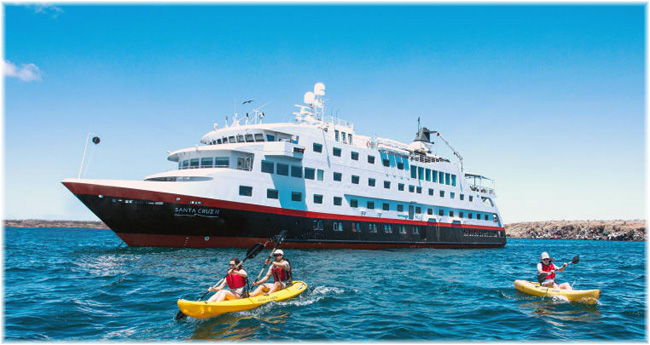
These days, most visitors see the islands as part of a cruise tour. Small boats, or pangas, drop travelers off on individual islands, where knowledgeable naturalists introduce the lifestyles and mating rituals of the native species. Swimming and snorkeling are possible at most sites and are often enhanced by curious sea lions, sea turtles, an occasional penguin and scores of tropical fish. The marine environment of the Galapagos is a protected area; it is one of the largest marine reserves in the world after the Great Barrier Reef and newer reserves in Antarctica and Hawaii.


Strict rules imposed by the Galapagos National Park require that licensed guides accompany all visitors and that visitors stick to the 60 designated sites on the islands, most of which are uninhabited. Visitors may walk only on marked trails and cannot touch or feed the animals, even though the animals often come close.

Geography

The Galapagos Islands lie 600 mi/970 km off the coast of Ecuador. Thirteen of the islands are larger than 6 sq mi/15 sq km, and the rest of the archipelago is made up of six smaller islands and more than 100 islets. The entire area (approximately 3,089 sq mi/8,000 sq km) straddles the equator, which passes directly through Isabela, the largest of the islands, representing more than half of the entire surface area of the islands combined.


The entire chain of islands is the result of volcanic activity. There is an oceanic "hot spot" where the islands of Fernandina and Isabela are now located and where all islands to the east once were. There, magma rises from the Earth's mantle to form the volcanic islands, some of which continue to be shaped by recent eruptions. As the Nazca plate moves slowly southeast, at approximately 1.6 in/4 cm per year, it takes the islands with it. Over time, this series of events has produced the current archipelago.

History

Because the Galapagos Archipelago is so far from other landmasses, the islands were ignored by humans for centuries. Tomas de Berlanga, a bishop of Panama in route to Peru, wrote the first account of the islands in 1535, telling the king of Spain he had seen tortoises big enough to carry a man. His tales put the islands on the map. European rivals of Spain, including British pirates, used the islands as a refuge in the 16th and 17th centuries in their attacks on the Spanish colonies in South America. Whalers also began using the islands in the late 1700s, where they, too, hunted tortoises and birds for food and seals for fur.

Years of human destruction of Galapagos fauna left fur seals nearly extinct and approximately 200,000 tortoises dead. At various times, sailors released goats onto some of the islands, which provided meat to passing ships but led to the elimination of many native Galapagos plants. Today, the tortoises, seals and other Galapagos animals are highly protected, but the eradication of goats is still in progress.

The islands' first known resident was Patrick Watkins, an Irish castaway who arrived on the island of Floreana in 1807. Watkins didn't stay long—only eight years—nor did many others, until Darwin arrived on the HMS Beagle in 1835. Darwin's writings about evolution stimulated interest in the islands among scientists, wealthy explorers and several groups of eccentrics.

Ecuador, which claimed the islands in 1832, officially designated about 97% of the islands a national park in 1959 to protect them from development. In 1978, UNESCO made the islands a World Heritage site. The Galapagos Marine Reserve was created in 1998; it is one of the world's largest after the Great Barrier Reef and recently created reserves in Antarctica and Hawaii.

The islands' growing popularity as an ecotourism destination has created its own set of problems. Since the 1970s, population growth on the islands has increased by 6.2% each year as the result of births and immigration. About 25,000 people, many of them impoverished Ecuadorians, now live on the islands. Many have moved there seeking a better life and jobs, at first in fishing but now in tourism. Along with them have come nonnative animals and plants that are altering the unique heritage of the islands.

The Ecuadorian government has taken steps to limit immigration and eradicate such animals as feral goats. It also regulates the number of visitors and the size of boats allowed to tour the islands. Fishing boats caught in park waters have been detained and their owners fined. But tensions run high in the islands regarding their management. There have been several strikes by fishermen, as well as by national park wardens. Many believe the Ecuadorean government is still falling short of adequately safeguarding this unique archipelago for future generations.

In March 2007, the same year the World Heritage Committee added the Galapagos to UNESCO's list of World Heritage sites in danger, the Ecuadorian government signed a national decree that declared the islands' management as a top priority, favoring its conservation and protection. Initial results are hard to quantify, but this step implies that stricter rules may be put into effect regarding development on the islands.

As it stands, permission is not required to build a hotel (hence the burgeoning size of Puerto Ayora), but tour operators must secure permits to enter the national park, which is managed by the Ministry of Tourism. Some boats are authorized to disembark onto various islands, but others must anchor in the waters offshore. As of 2012, no vessel is permitted to visit the same site more than once in a 14-day period. Illegal immigration to the islands, illegal fishing, introduced species and poor education of the local population remain dangers to the Galapagos.

Potpourri

British Capt. James Colnett set up a post office barrel on Floreana in 1873. It was originally used by whalers, who dropped their letters into the barrel as they went out to sea; the mail was relayed by those heading home. Today, this area is called Post Office Bay, and the barrel is often used by tourists.


The late Kurt Vonnegut wrote the novel Galapagos in 1985 about the last survivors of the human race being shipwrecked on the islands.


The Galapagos Islands is the only place where penguins live north of the equator. This makes the species the only tropical penguin on Earth.


There were once up to 15 subspecies of giant tortoises on the islands. Only 11 of those species remain.


The only nonflying cormorant in the world lives in the Galapagos Islands. It evolved to hunt fish by diving from shore and eventually lost the use of its wings for flight.


This entire island chain is named after the tortoise, which translates to "galapagos" in Spanish.


The archipelago was known as the Enchanted Islands because of the way strong and shifting currents made navigation difficult. After he visited the islands, Herman Melville used this name as the title of a short story he wrote about the Galapagos.

Location

A bus or taxi from the Baltra or San Cristobal airport terminal transports cruise travelers to a nearby port or dock to board a waiting Zodiac, which takes them to a boat anchored offshore. There are no docking facilities for ships on the islands—not even in populated areas. Ships must anchor offshore.


Shore Excursions

Shore excursions to uninhabited islands are always made with a naturalist guide and must follow the strict rules of the national park. Activities include scuba diving, snorkeling, swimming, hiking, bird-watching, photography, sea kayaking and glass-bottomed-boat tours. Inhabited islands, such as Santa Cruz, offer biking, scuba diving, horseback riding, surfing, snorkeling and sailing.




    Galapagos Islands


    Penguins and dolphins, sea lions and iguanas, tropical birds and giant tortoises—this collection of species comes together in a single destination on the equator. It's no surprise that these islands, 600 mi/970 km off the coast of Ecuador, are so special. Their remoteness from other landmasses and the absence of human settlements until the past century allowed their animal inhabitants to live with little fear of predators. As a result, the islands have an abundance of animals, birds and reptiles that are easily viewed, with or without binoculars.


    The islands are best known as the home of giant tortoises that can weigh up to 500 lb/227 kg and live over 100 years. Visitors will also see marine iguanas (the only seagoing lizards in the world); scarlet-breasted frigate birds; blue-footed, red-footed, masked and Nazca boobies; tiny penguins at home in the tropics; mammoth sea lions; and giant, graceful albatrosses. About half of the species are endemic to the islands, found nowhere else on Earth.


    Volcanic in origin, the archipelago has 13 large (and six lesser) islands whose terrain is mostly stark and barren, consisting primarily of a lava rock- and cacti-filled landscape in an arid climate. However, the highlands of the larger islands are dominated by volcanos and cloud forests, with lush vegetation and cooler temperatures.


    One of the most famous visitors was Charles Darwin, whose five-week stay in 1835 led him to note that some species of birds had changed both physically and behaviorally because of their environment and evolved into distinct species over time. His famous book On the Origin of Species by Means of Natural Selection (1859) and the theory of evolution were influenced greatly by what he saw there.


    These days, most visitors see the islands as part of a cruise tour. Small boats, or pangas, drop travelers off on individual islands, where knowledgeable naturalists introduce the lifestyles and mating rituals of the native species. Swimming and snorkeling are possible at most sites and are often enhanced by curious sea lions, sea turtles, an occasional penguin and scores of tropical fish. The marine environment of the Galapagos is a protected area; it is one of the largest marine reserves in the world after the Great Barrier Reef and newer reserves in Antarctica and Hawaii.


    Strict rules imposed by the Galapagos National Park require that licensed guides accompany all visitors and that visitors stick to the 60 designated sites on the islands, most of which are uninhabited. Visitors may walk only on marked trails and cannot touch or feed the animals, even though the animals often come close.

    Geography

    The Galapagos Islands lie 600 mi/970 km off the coast of Ecuador. Thirteen of the islands are larger than 6 sq mi/15 sq km, and the rest of the archipelago is made up of six smaller islands and more than 100 islets. The entire area (approximately 3,089 sq mi/8,000 sq km) straddles the equator, which passes directly through Isabela, the largest of the islands, representing more than half of the entire surface area of the islands combined.


    The entire chain of islands is the result of volcanic activity. There is an oceanic "hot spot" where the islands of Fernandina and Isabela are now located and where all islands to the east once were. There, magma rises from the Earth's mantle to form the volcanic islands, some of which continue to be shaped by recent eruptions. As the Nazca plate moves slowly southeast, at approximately 1.6 in/4 cm per year, it takes the islands with it. Over time, this series of events has produced the current archipelago.

    History

    Because the Galapagos Archipelago is so far from other landmasses, the islands were ignored by humans for centuries. Tomas de Berlanga, a bishop of Panama in route to Peru, wrote the first account of the islands in 1535, telling the king of Spain he had seen tortoises big enough to carry a man. His tales put the islands on the map. European rivals of Spain, including British pirates, used the islands as a refuge in the 16th and 17th centuries in their attacks on the Spanish colonies in South America. Whalers also began using the islands in the late 1700s, where they, too, hunted tortoises and birds for food and seals for fur.

    Years of human destruction of Galapagos fauna left fur seals nearly extinct and approximately 200,000 tortoises dead. At various times, sailors released goats onto some of the islands, which provided meat to passing ships but led to the elimination of many native Galapagos plants. Today, the tortoises, seals and other Galapagos animals are highly protected, but the eradication of goats is still in progress.

    The islands' first known resident was Patrick Watkins, an Irish castaway who arrived on the island of Floreana in 1807. Watkins didn't stay long—only eight years—nor did many others, until Darwin arrived on the HMS Beagle in 1835. Darwin's writings about evolution stimulated interest in the islands among scientists, wealthy explorers and several groups of eccentrics.

    Ecuador, which claimed the islands in 1832, officially designated about 97% of the islands a national park in 1959 to protect them from development. In 1978, UNESCO made the islands a World Heritage site. The Galapagos Marine Reserve was created in 1998; it is one of the world's largest after the Great Barrier Reef and recently created reserves in Antarctica and Hawaii.

    The islands' growing popularity as an ecotourism destination has created its own set of problems. Since the 1970s, population growth on the islands has increased by 6.2% each year as the result of births and immigration. About 25,000 people, many of them impoverished Ecuadorians, now live on the islands. Many have moved there seeking a better life and jobs, at first in fishing but now in tourism. Along with them have come nonnative animals and plants that are altering the unique heritage of the islands.

    The Ecuadorian government has taken steps to limit immigration and eradicate such animals as feral goats. It also regulates the number of visitors and the size of boats allowed to tour the islands. Fishing boats caught in park waters have been detained and their owners fined. But tensions run high in the islands regarding their management. There have been several strikes by fishermen, as well as by national park wardens. Many believe the Ecuadorean government is still falling short of adequately safeguarding this unique archipelago for future generations.

    In March 2007, the same year the World Heritage Committee added the Galapagos to UNESCO's list of World Heritage sites in danger, the Ecuadorian government signed a national decree that declared the islands' management as a top priority, favoring its conservation and protection. Initial results are hard to quantify, but this step implies that stricter rules may be put into effect regarding development on the islands.

    As it stands, permission is not required to build a hotel (hence the burgeoning size of Puerto Ayora), but tour operators must secure permits to enter the national park, which is managed by the Ministry of Tourism. Some boats are authorized to disembark onto various islands, but others must anchor in the waters offshore. As of 2012, no vessel is permitted to visit the same site more than once in a 14-day period. Illegal immigration to the islands, illegal fishing, introduced species and poor education of the local population remain dangers to the Galapagos.

    Potpourri

    British Capt. James Colnett set up a post office barrel on Floreana in 1873. It was originally used by whalers, who dropped their letters into the barrel as they went out to sea; the mail was relayed by those heading home. Today, this area is called Post Office Bay, and the barrel is often used by tourists.


    The late Kurt Vonnegut wrote the novel Galapagos in 1985 about the last survivors of the human race being shipwrecked on the islands.


    The Galapagos Islands is the only place where penguins live north of the equator. This makes the species the only tropical penguin on Earth.


    There were once up to 15 subspecies of giant tortoises on the islands. Only 11 of those species remain.


    The only nonflying cormorant in the world lives in the Galapagos Islands. It evolved to hunt fish by diving from shore and eventually lost the use of its wings for flight.


    This entire island chain is named after the tortoise, which translates to "galapagos" in Spanish.


    The archipelago was known as the Enchanted Islands because of the way strong and shifting currents made navigation difficult. After he visited the islands, Herman Melville used this name as the title of a short story he wrote about the Galapagos.

    Location

    A bus or taxi from the Baltra or San Cristobal airport terminal transports cruise travelers to a nearby port or dock to board a waiting Zodiac, which takes them to a boat anchored offshore. There are no docking facilities for ships on the islands—not even in populated areas. Ships must anchor offshore.


    Shore Excursions

    Shore excursions to uninhabited islands are always made with a naturalist guide and must follow the strict rules of the national park. Activities include scuba diving, snorkeling, swimming, hiking, bird-watching, photography, sea kayaking and glass-bottomed-boat tours. Inhabited islands, such as Santa Cruz, offer biking, scuba diving, horseback riding, surfing, snorkeling and sailing.



      Vincent Vacations - Authorized Galapagos Islands Vacation Planner
      Questions? Call us at
      1 (888) 883-0460

      No-Obligation Galapagos Islands Vacation Quote Request Form

      Free Galapagos Islands
      Vacation Package Quote


      For Groups of 10 or more rooms, or 8 or more Cabins, please use of Group Form
      Click Here for our Group Department


      Call Vincent Vacations: 1 (888) 883-0460

      Why Travelers Trust Vincent Vacations

      From our storefronts to your destination, we are your dedicated, debt-free, and experienced travel partner.

      100% Female Owned

      We are a proud USA-based, 100% female-owned business. Operating completely debt-free, we offer you the stability and peace of mind you deserve when booking your dream vacation.

      Top 20 Signature Agency

      As a Top 20 Agency with the elite Signature Travel Network, we unlock exclusive perks, upgrades, and amenities for you that you can't find anywhere else.

      Decades of Expertise

      Serving clients since 2013 with leadership selling travel since 2002. Our team of professionals brings decades of real-world travel experience to your itinerary.

      Serving All 50 States

      While we have physical storefront locations you can visit, we are fully equipped to book travel for clients residing in every state across the USA.

      Book with Confidence

      We are a company that can be trusted. We advocate for you from the moment you book until you return home, ensuring a seamless experience.

      Ready to go?

      Let our experts plan your next adventure.

      Contact Us Today

      Popular Locations & Brands - Experiences All Over The World!

      Click on a location below to learn more. We recognize that vacations are not just an investment, but often the highlights of our lives, and we take that responsibility seriously. We want to ensure you have the best experience.

      Business
      Become A Travel Agent

      Have you got what it takes to become a travel agent?

      • Do you have a huge love of everything travel?
      • Do you have a huge passion for helping people answer questions, like friends and families, who are booking their trips?
      • Maybe you love to talk about travel, even if it's not your own trip, or maybe you obsess over every single detail for your upcoming trip!
      • Have you been booking your own vacations for a long time?

      All of these are signs that you are a great fit to become an independent travel agent, and turn your love of travel from passion into profit!

      Learn More

      Latest Blogs - Our Agents, All Over The World!

      Our motto at Vincent Vacations is, we go so you know! We want to ensure you have the BEST experience, whether it's a river cruise, or a corporate group incentive trip, we want to ensure your vacation is a success.

      Our services

      Many of our travel agents have been in travel since 2002! With Vincent Vacations, all travel components are taken care of - this includes accommodations, air, transfers, tours, activities, insurance, contracts, EVERYTHING.

      Romance Travel

      Destination weddings, Anniversaries, vow renewals, honeymoons, engagements, elopements, retie the knot, babymoons, proposal trips and more

      Group Travel

      Corporate group retreats and incentive trips, seniors-only river cruises, friends & family getaways, special group anniversary celebrations and more

      Family

      All-inclusive resorts, Hawaii, cruises, Europe, African Safaris, exotic Fiji and the islands, there are so many travel options for families

      Disney

      Adventures by Disney, Disney Cruise Lines, Disney World, Disneyland, Disney Resorts, Aulani, Universal, MyDisneyExperience, Disney Genie, characters dining, and more

      Europe

      We know Europe! Paris, London, Rome, Florence, Barcelona, Swiss Alps, Prague, Amsterdam, Venice, Athens, Vienna, Madrid, let's go!

      Cruises

      Ocean cruising, river cruising, yacht charters, expeditions, Royal Caribbean, Norwegian, Viking, Lindblad, there are so many options when it comes to cruising

      And SO Much More!

      We create custom travel itineraries and trips, and we know travel - Whether it's Universal, river cruises, safaris, yacht charters, Australia, Thailand and more!

      Get A Free Quote

      Our Great Team is Ready to Make Your Vacation a Success

      We serve customers all across the USA
      Debt free and in business since 2013. Vincent Vacations has agents in Dallas, Kansas City, Houston, Shreveport, Little Rock, Roswell, Oklahoma City and more locations.

      Get your FREE Why Use A Travel Agent Guide Our FREE Guide
      Get your FREE Why Use A Travel Agent Guide
      Download Now

      Travel agents can help save time and stress by doing the research and handling all your bookings for you. An experience travel agent is best at finding great deals and packages, as well as providing you with helpful information and tips. They can also help you plan special activities and experiences that you may not have thought of on your own. All in all, using a travel agent can be a great way to make sure you get the most out of your trip.

      View our latest DEALS on our Facebook

      About Us

      In travel since 2002, and in business since 2013, our travel team serves clients all over the US! Planning a vacation away from home takes a great team. We have taken the time to build a team of dedicated, smart, hard-working personnel who are each committed to excellence and service. We work side-by-side, creating and ensuring INCREDIBLE vacation experiences for you and your group. Our store front in-office team, and our travel consultant independent contractors, work all around the US.

      travel agent near me
      travel agent near me

      Start Your Next Trip With Vincent Vacations Today!

      In business since 2013, we are your #1 source for travel!

      Free Vacation Package Quote