Overview
Introduction

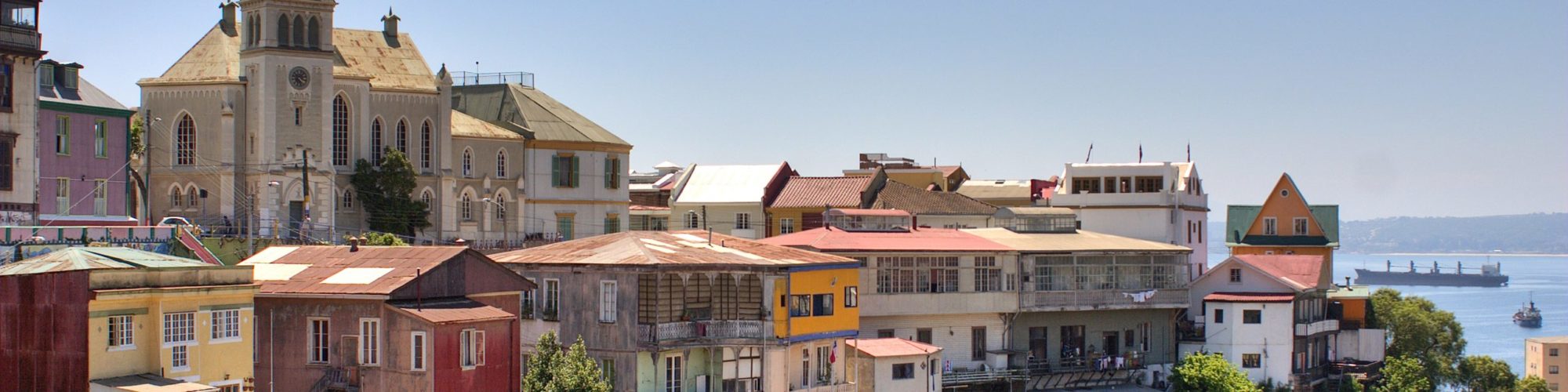
Founded in 1536, 75 mi/120 km northwest of Santiago, the picturesque port city of Valparaiso, Chile, was named a UNESCO World Heritage site for its distinctively spontaneous hills' neighborhoods and their vernacular architecture, including more than a dozen ascensores (funicular cable cars) that connect the port with its surrounding heights.
Among the distinctive streets, buildings and churches in the main town are three lookout terraces: Paseo Yugoslavo, with its art-nouveau Palacio Baburizza; Paseo Gervasoni, home to St. Paul's Anglican church (Valparaiso once had a thriving British expatriate community); and Paseo Atkinson, the loveliest of them all.
Specific sights include the Church of La Matriz, Plaza Victoria, the Naval and Maritime Museum, and especially La Sebastiana, one of Chilean poet Pablo Neruda's many eclectically decorated homes, located high above the harbor; dedicated urban explorers could easily spend several days there. http://www.fundacionneruda.org.
Also consider a visit to Neruda's home at Isla Negra, on the sandy shoreline south of Valparaiso. (Though it's called Isla Negra—Spanish for "Black Island"—it's not an island at all.) The house contains a museum with items belonging to the poet.
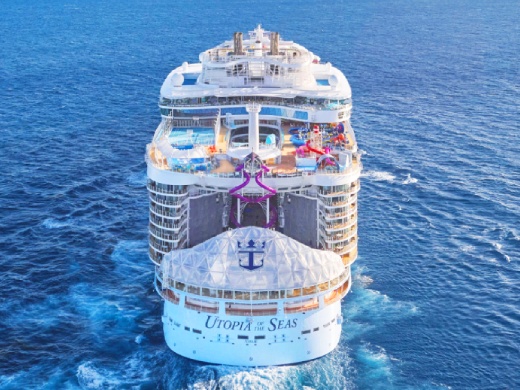
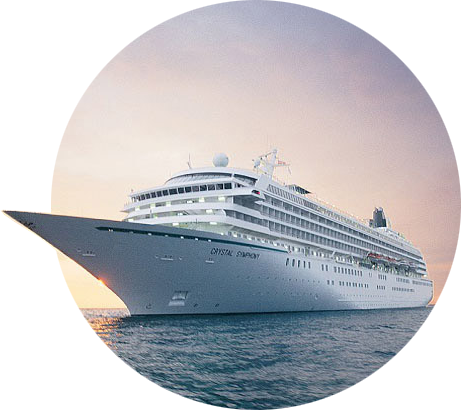
Santiaguinos have begun to rehabilitate many of Valparaiso's historic houses and turn them into stylish hotels, bed-and-breakfasts, restaurants and cafes, so much so that the city now overshadows the traditional holiday destination of nearby Vina del Mar. It has also become a major cruise-ship destination; a sparkling new metro system connects Valparaiso to Vina.
Location
Valparaiso is the main port for the city of Santiago, but passengers disembarking for the capital city should take a few minutes to explore the picturesque town.
It takes about 90 minutes to travel between Valparaiso and Santiago, most commonly by taxi or bus. At the Valparaiso bus terminal, which is near O'Higgins Square, buses depart for Santiago every 20 minutes.