Why River Cruising?
There’s something undeniably magical about exploring Europe from the gentle motion of a riverboat. You sail past storybook landscapes, medieval towns, and grand capitals, all while unpacking just on...
Read more












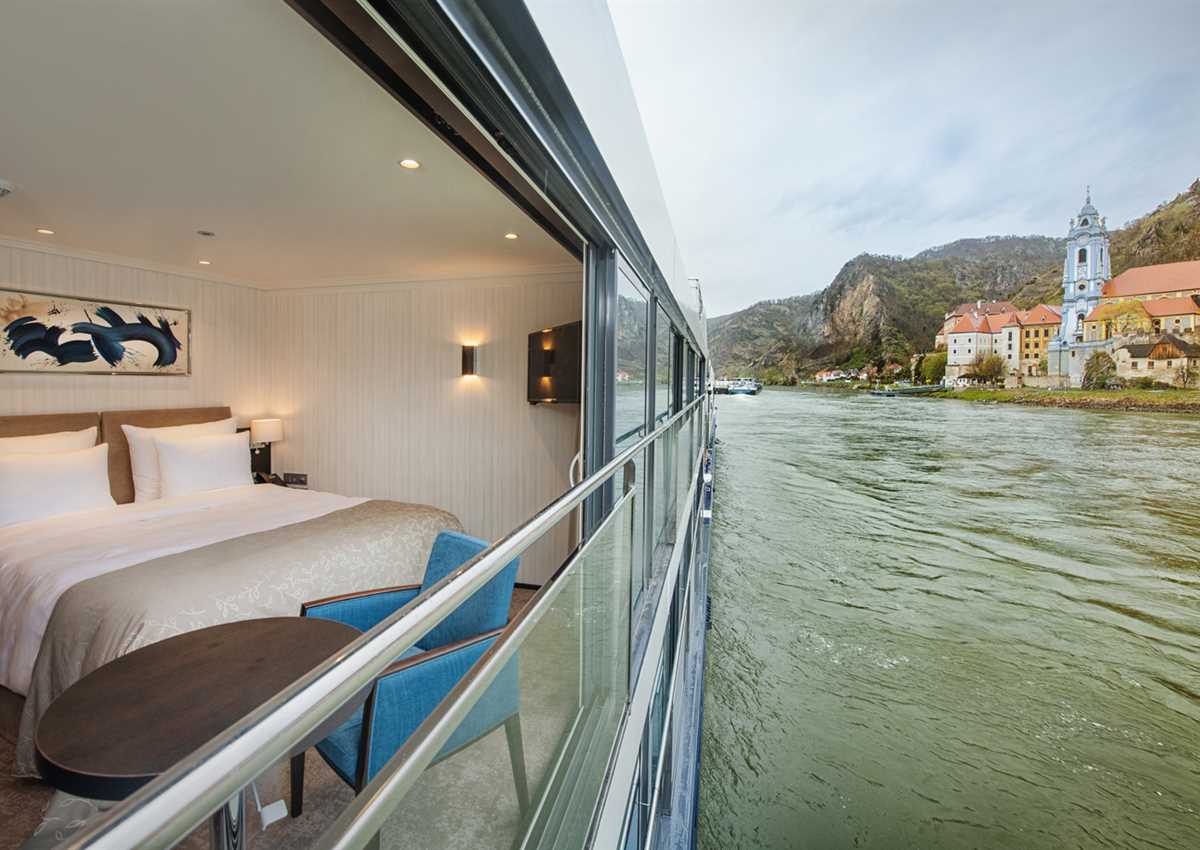
Welcome to Vincent Vacations, where our dedicated travel agents specialize in creating unforgettable experiences along the Romantic Rhine River with Avalon Waterways. Whether you are celebrating a honeymoon, anniversary, or simply seeking a romantic getaway, our experts provide personalized service to craft the perfect cruise tailored to your dreams.
Read article →
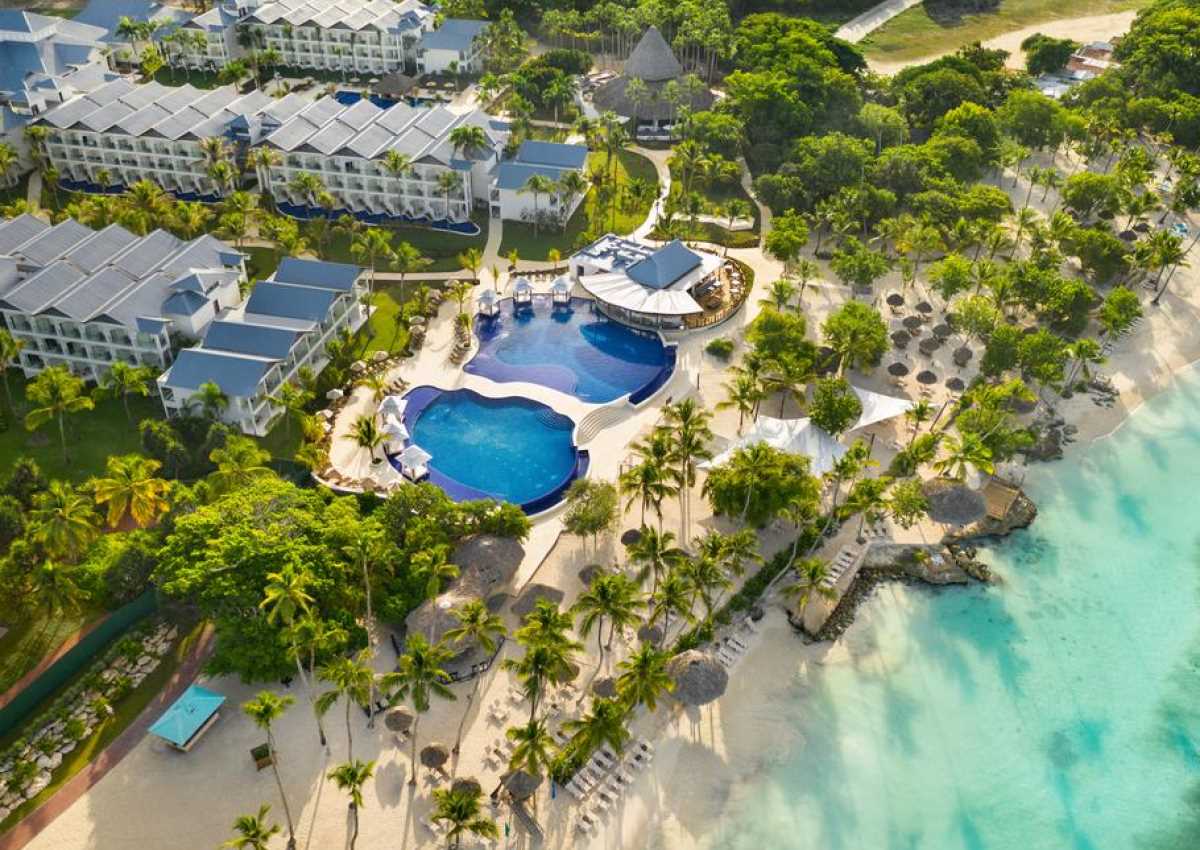
Planning a destination wedding can be both exciting and overwhelming, but Secrets La Romana Resort offers an idyllic setting that transforms your dream celebration into reality. Nestled along the stunning shores of the Dominican Republic, this resort combines breathtaking natural beauty with luxurious amenities tailored for couples seeking an unforgettable wedding experience.
Read article →

Sandals Resorts are renowned for offering the ultimate in all-inclusive luxury for couples seeking a romantic getaway in the heart of the Caribbean. With locations in Saint Lucia, Jamaica, Antigua, the Bahamas, Grenada, and Barbados, Sandals provides a diverse range of experiences tailored to make every moment unforgettable. From opulent accommodations to gourmet dining and exclusive activities, Sandals embodies the essence of a high-end vacation.
Read article →

Star Clipper Cruises offers an enchanting blend of tradition and modern luxury, transporting passengers to an era of classic sailing while incorporating the comforts of contemporary travel. Their sailing vessels, reminiscent of 19th-century clipper ships, provide an exclusive and intimate experience for up to 227 guests, making every voyage feel like a private yacht adventure. Whether you're drawn to the romance of sailing under full canvas or exploring hidden gems in exotic ports, Star Clippers has something for everyone.
Read article →
Read article →
Read article →
We recognize that vacations are not just an investment, but often the highlights of our lives, and we take that responsibility seriously. We want to ensure you have the best vacation experience. Interested in a job in travel? Click here to learn: How to Become a Travel Agent
Categories: Al Hajar Mountains
Categories: Al Hamra
Categories: Al Hazm
Categories: Al Wasil
Categories: Alba Iulia
Categories: Arad
Categories: Baia Mare
Categories: Baneasa
Categories: Barka
Categories: Bimmah Sinkhole
Categories: Birkat-Al-Mauz
Categories: Bistrita
Categories: Braila
Categories: Bucharest
Categories: Bucovina
Categories: Buraimi
Categories: Cernavoda
Categories: Constanta
Categories: Coromandel
Categories: Crisan
Categories: Cund
Categories: Danube Delta
Categories: Dibba Al-Baya
Categories: Dimaniyat Islands
Categories: Drobeta Turnu Severin
Categories: Drobeta-Turnu Severin
Categories: Fetesti
Categories: Galati
Categories: Giurgiu
Categories: Hahei
Categories: Harsova
Categories: Histria
Categories: Iasi
Categories: Ibra
Categories: Ibri
Categories: Iron Gates (Cruising)
Categories: Jabal Akhdar
Categories: Jabrin
Categories: Khasab
Categories: Khor Rori
Categories: Caribbean > Dominican Republic
Categories: Mangalia
Categories: Maramures
Categories: Masirah Island
Categories: Mercury Bay
Categories: Mirbat
Categories: Mogosoaia
Categories: Musandam Peninsula
Categories: Muscat
Categories: Nakhal
Categories: Nizwa
Categories: Oltenita
Categories: Oradea
Categories: Orsova
Categories: Otopeni
Categories: Piatra Neamt
Categories: Predeal
Categories: Ranov
Categories: Ras al Jinz
Categories: Ruwi
Categories: Salalah
Categories: Sighetu Marmatiei
Categories: Sinaia
Categories: Snagov
Categories: Sohar
Categories: Somova
Categories: Sulina
Categories: Sur
Categories: Talisoara
Categories: Timisoara
Categories: Tirgoviste
Categories: Tirgu Mures
Categories: Transylvania
Categories: Tulcea
Categories: Turnu Severin
Categories: Wadi Bani Khalid
Categories: Wadi Nakhr Gorge
Categories: Wahiba Sands
Categories: Wasirah Island
Categories: Whangamata
Categories: Whitianga
Categories: Zaghi
Categories: Zighy Bay
When you arrive at Oman's ancient city of Nizwa, surrounded by mountains and desert, you'll encounter an unusual piece of roadside sculpture: a giant Arabic coffee urn surrounded by silver-lined cups. This modern rendition of a traditional symbol of Arab hospitality could stand for Oman's intriguing combination of old and new. Long isolated from the rest of the world, Oman only recently began welcoming travelers inside its borders. But even as it has opened its doors to the world and brought modern improvements to the remotest villages, it has also retained many of its traditional desert ways. Along the coast, boatbuilders in small fishing villages still craft dhows by hand. Inland, Bedouins carve out their living on rocky terraces, their villages perched on the precipices of a yawning gorge.
Travelers could also see the giant urn as a kind of magic lamp beckoning them to one of the most exotic places in the world: to wild desert villages and palm-lined oases, where women wear black silk robes and brightly hued masks, and men wear ankle-length robes and colorful cashmere turbans. But for those who prefer the more comfortable pleasures a genie might offer, there are also luxurious tropical seaside resorts, with opportunities for scuba diving and fishing.
Although Oman is not for everyone, it is certain to charm those with an eye for natural beauty and an interest in Arabic tradition.
One of the oldest states on the Arabian Peninsula, Oman was once an important sultanate whose influence was felt as far away as Zanzibar and Pakistan (it sent an ambassador to the U.S. in the 19th century). Today its people reflect a mixture of African, Indian and Arabian influences. Its customs are shaped by those cultures, overlaid by a very thin veneer of British practices (the British were dominant in the area from the mid-19th to mid-20th centuries).
Oman doesn't boast the extraordinary oil wealth of its neighbor, the United Arab Emirates, but the standard of living is still much higher in Oman than in many other Arab countries. Roads, electricity, water, health clinics and schools have arrived in even the most remote mountain villages. The economy remains among the best managed in the region. Although the population enjoys some political representation through a consultative parliament set up after the Gulf War in 1991, the country remains essentially an autocratic monarchy in which the line between the state and the Omani ruling family is blurred.
Vaguely boomerang-shaped, the Sultanate of Oman lies along the eastern edge of the Arabian Peninsula and occupies a land mass roughly equal to the U.S. state of Kansas. Its eastern side is bordered by the Gulf of Oman and the Arabian Sea. This coastline, which extends well over 1,000 mi/1,610 km, is remarkably picturesque and contains most of Oman's key cities and towns.
Beyond the western edge of Oman are the United Arab Emirates and Saudi Arabia. Yemen lies to the south. Spectacular spiny mountains in the northern and southern ends of the country enliven what is otherwise mostly a sparsely populated desert landscape.
Traces of ancient civilizations dating to the third century BC have been found around Oman, but the country's recognizable history really begins with the arrival of Arab tribes roughly 2,000 years ago. The state of Oman, founded by some of the earliest converts to Islam, was created in the eighth century AD.
Because the nation occupied a strategic position on the trade route between India and the West, European powers began to take an interest in Oman during the 1600s. In 1507, Portugal captured the capital of Masqat, but was expelled by 1650. The sultan of Oman began cultivating trade relationships with Britain, which quietly but significantly influenced Omani affairs for some three centuries.
Oman reached the height of its power and influence during the first half of the 19th century, under the rule of Sayyid Said bin Sultan. Alliances with the British government ensured military protection for Oman, allowing it to expand its territories and trade outposts. A second capital was established in Omani-controlled Zanzibar, which is about 25 mi/40 km off the coast of present-day Tanzania, and the nation also held sway in southerly parts of the Arabian Peninsula and coastal areas of modern Pakistan. By the 1850s, a crisis of succession led to a split in the Omani empire—one ruler controlled Zanzibar, the other took the Arabian lands—and the nation slid into a century of economic decline and political weakness. Tribes from the interior periodically mounted attacks on the rulers in Masqat. By the 1960s, Oman was closed to the outside world and economically stagnant.
That same year, Oman's current leader, Sultan Qaboos bin Said, staged a palace coup against his father, seizing power and starting the country on a modernization drive to educate the populace and build the nation's infrastructure. Tourism to Oman only began in the 1980s.
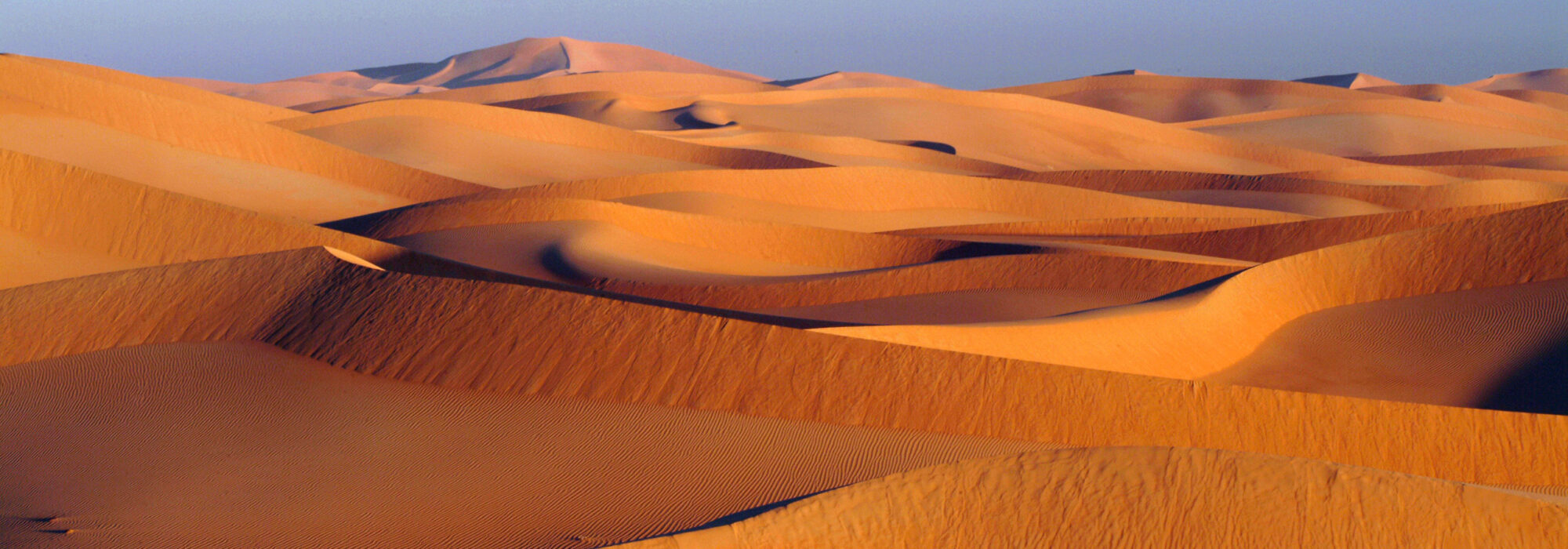
Oman's foremost attractions are desert sand dunes, 400-year-old forts, ancient ruins, beaches, mountains, oases, traditional bazaars, scuba diving, camel treks and Arab culture.
Oman will appeal to travelers who are willing to abide by laws and customs that may seem conservative and restrictive in order to see a relatively untouched country.
Of Oman's population of 2.9 million, some 600,000 are expatriates, and some of them are doing rather unusual jobs. During one of our trips, we met a Scot who was working as the chief repairer of bagpipes for the sultan's army band.
The country is home to the Arabian tahr, a rare variety of mountain goat, and large reserves of Arabian oryx.
As just one indicator of how undeveloped Oman once was, in 1970, it only had about 2 mi/3 km of paved road.
According to legend, Sinbad the Sailor departed for his seafaring adventures from the port of Sohar. The Seven Voyages of Sinbad the Sailor is a collection of travel-romance tales found in The Book of One Thousand and One Nights.
After years of bad blood, Oman and Yemen have finally established a permanent border. A paved highway now connects the two countries.
The workweek in Oman is Saturday-Wednesday.
The Sultan is a strong proponent of public cleanliness and hygiene, sometimes offering prizes to the country's cleanest towns. In 2003, Masqat was bestowed a Cleanest City award by the U.N.
Oman was converted to Islam during the prophet Muhammad's lifetime.
Women traditionally wear colorful garments from head to toe, leaving only the face and hands exposed. Women in rural areas wear leather or cloth masks (burkas).
Oman is one of the world's main producers of frankincense, which was valued as highly as gold in antiquity. It's also traditionally burned in new homes to ward off evil spirits.
A list of travel tips and tricks for oman.
When you arrive at Oman's ancient city of Nizwa, surrounded by mountains and desert, you'll encounter an unusual piece of roadside sculpture: a giant Arabic coffee urn surrounded by silver-lined cups. This modern rendition of a traditional symbol of Arab hospitality could stand for Oman's intriguing combination of old and new. Long isolated from the rest of the world, Oman only recently began welcoming travelers inside its borders. But even as it has opened its doors to the world and brought modern improvements to the remotest villages, it has also retained many of its traditional desert ways. Along the coast, boatbuilders in small fishing villages still craft dhows by hand. Inland, Bedouins carve out their living on rocky terraces, their villages perched on the precipices of a yawning gorge.
Travelers could also see the giant urn as a kind of magic lamp beckoning them to one of the most exotic places in the world: to wild desert villages and palm-lined oases, where women wear black silk robes and brightly hued masks, and men wear ankle-length robes and colorful cashmere turbans. But for those who prefer the more comfortable pleasures a genie might offer, there are also luxurious tropical seaside resorts, with opportunities for scuba diving and fishing.
Although Oman is not for everyone, it is certain to charm those with an eye for natural beauty and an interest in Arabic tradition.
One of the oldest states on the Arabian Peninsula, Oman was once an important sultanate whose influence was felt as far away as Zanzibar and Pakistan (it sent an ambassador to the U.S. in the 19th century). Today its people reflect a mixture of African, Indian and Arabian influences. Its customs are shaped by those cultures, overlaid by a very thin veneer of British practices (the British were dominant in the area from the mid-19th to mid-20th centuries).
Oman doesn't boast the extraordinary oil wealth of its neighbor, the United Arab Emirates, but the standard of living is still much higher in Oman than in many other Arab countries. Roads, electricity, water, health clinics and schools have arrived in even the most remote mountain villages. The economy remains among the best managed in the region. Although the population enjoys some political representation through a consultative parliament set up after the Gulf War in 1991, the country remains essentially an autocratic monarchy in which the line between the state and the Omani ruling family is blurred.
Vaguely boomerang-shaped, the Sultanate of Oman lies along the eastern edge of the Arabian Peninsula and occupies a land mass roughly equal to the U.S. state of Kansas. Its eastern side is bordered by the Gulf of Oman and the Arabian Sea. This coastline, which extends well over 1,000 mi/1,610 km, is remarkably picturesque and contains most of Oman's key cities and towns.
Beyond the western edge of Oman are the United Arab Emirates and Saudi Arabia. Yemen lies to the south. Spectacular spiny mountains in the northern and southern ends of the country enliven what is otherwise mostly a sparsely populated desert landscape.
Traces of ancient civilizations dating to the third century BC have been found around Oman, but the country's recognizable history really begins with the arrival of Arab tribes roughly 2,000 years ago. The state of Oman, founded by some of the earliest converts to Islam, was created in the eighth century AD.
Because the nation occupied a strategic position on the trade route between India and the West, European powers began to take an interest in Oman during the 1600s. In 1507, Portugal captured the capital of Masqat, but was expelled by 1650. The sultan of Oman began cultivating trade relationships with Britain, which quietly but significantly influenced Omani affairs for some three centuries.
Oman reached the height of its power and influence during the first half of the 19th century, under the rule of Sayyid Said bin Sultan. Alliances with the British government ensured military protection for Oman, allowing it to expand its territories and trade outposts. A second capital was established in Omani-controlled Zanzibar, which is about 25 mi/40 km off the coast of present-day Tanzania, and the nation also held sway in southerly parts of the Arabian Peninsula and coastal areas of modern Pakistan. By the 1850s, a crisis of succession led to a split in the Omani empire—one ruler controlled Zanzibar, the other took the Arabian lands—and the nation slid into a century of economic decline and political weakness. Tribes from the interior periodically mounted attacks on the rulers in Masqat. By the 1960s, Oman was closed to the outside world and economically stagnant.
That same year, Oman's current leader, Sultan Qaboos bin Said, staged a palace coup against his father, seizing power and starting the country on a modernization drive to educate the populace and build the nation's infrastructure. Tourism to Oman only began in the 1980s.
Oman's foremost attractions are desert sand dunes, 400-year-old forts, ancient ruins, beaches, mountains, oases, traditional bazaars, scuba diving, camel treks and Arab culture.
Oman will appeal to travelers who are willing to abide by laws and customs that may seem conservative and restrictive in order to see a relatively untouched country.
Of Oman's population of 2.9 million, some 600,000 are expatriates, and some of them are doing rather unusual jobs. During one of our trips, we met a Scot who was working as the chief repairer of bagpipes for the sultan's army band.
The country is home to the Arabian tahr, a rare variety of mountain goat, and large reserves of Arabian oryx.
As just one indicator of how undeveloped Oman once was, in 1970, it only had about 2 mi/3 km of paved road.
According to legend, Sinbad the Sailor departed for his seafaring adventures from the port of Sohar. The Seven Voyages of Sinbad the Sailor is a collection of travel-romance tales found in The Book of One Thousand and One Nights.
After years of bad blood, Oman and Yemen have finally established a permanent border. A paved highway now connects the two countries.
The workweek in Oman is Saturday-Wednesday.
The Sultan is a strong proponent of public cleanliness and hygiene, sometimes offering prizes to the country's cleanest towns. In 2003, Masqat was bestowed a Cleanest City award by the U.N.
Oman was converted to Islam during the prophet Muhammad's lifetime.
Women traditionally wear colorful garments from head to toe, leaving only the face and hands exposed. Women in rural areas wear leather or cloth masks (burkas).
Oman is one of the world's main producers of frankincense, which was valued as highly as gold in antiquity. It's also traditionally burned in new homes to ward off evil spirits.
A list of travel tips and tricks for oman.
Vincent Vacations - Authorized Oman Vacation Planner
Questions? Call us at
1 (888) 883-0460
For Groups of 10
or more rooms, or 8 or more Cabins, please use of Group Form
Click Here for our Group Department

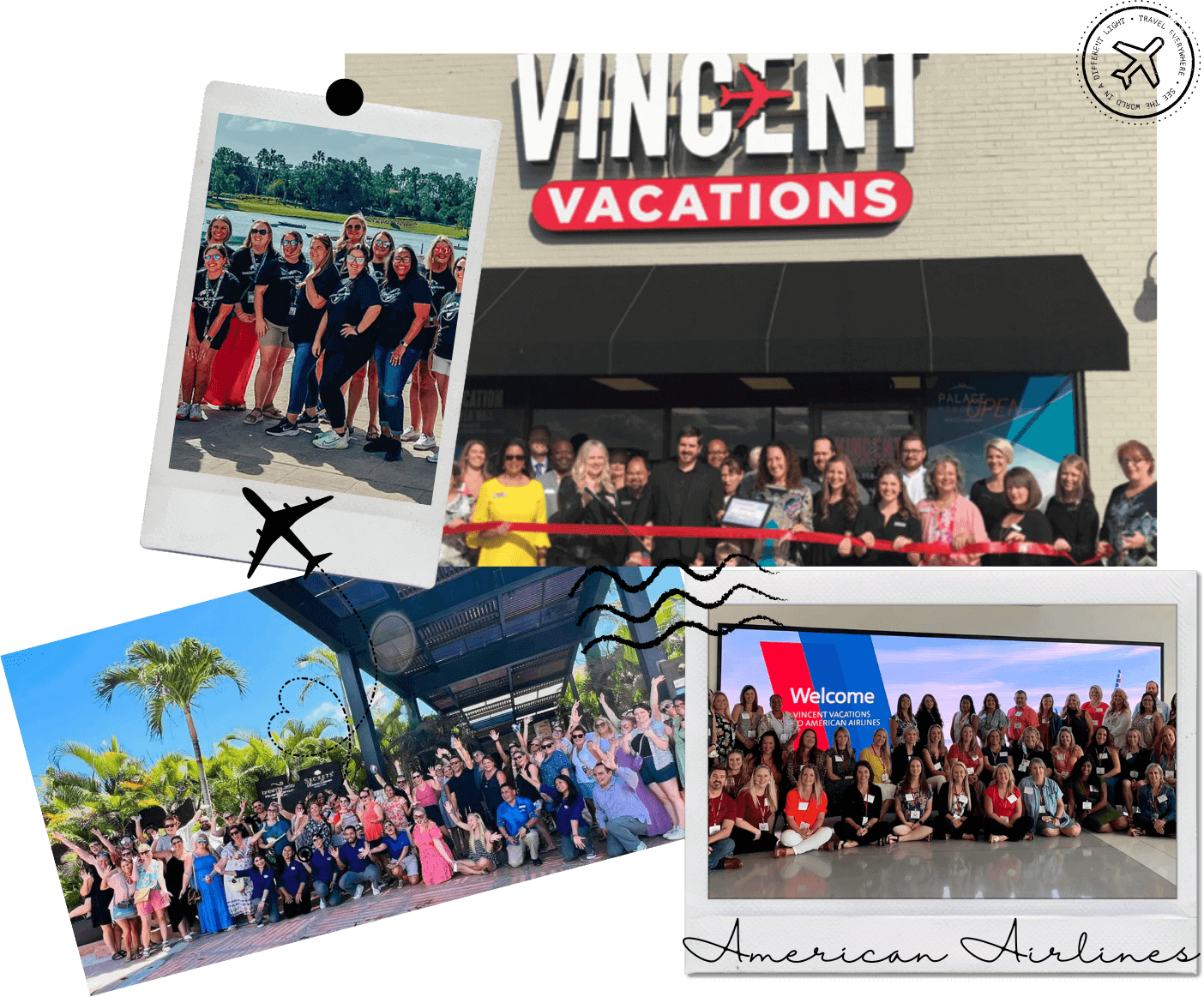
Vincent Vacations is an award winning travel agency. We serve clients all over the US.
Learn more about:
How to become a travel agent!
We are an IATAN, CLIA, ASTA, IATA Accrediated Travel Agency
See all awards & certificates.





 1/1
1/1There’s something undeniably magical about exploring Europe from the gentle motion of a riverboat. You sail past storybook landscapes, medieval towns, and grand capitals, all while unpacking just on...
Read more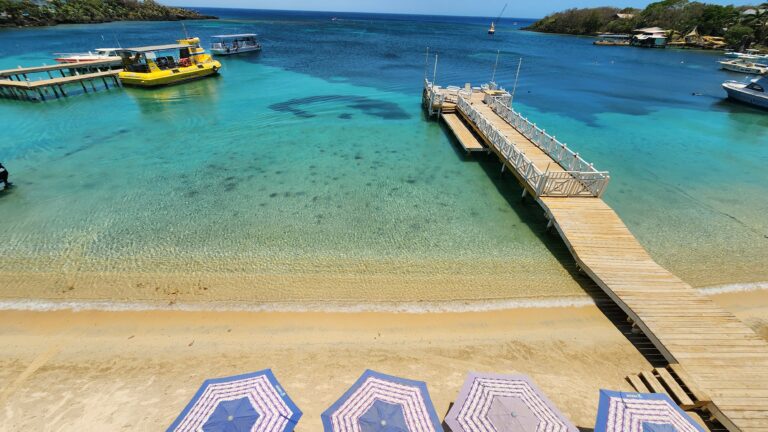 12/14
12/14Roatán, the largest of Honduras’s Bay Islands, is often introduced to travelers as a quick cruise port stop—but that barely scratches the surface of what this Caribbean gem truly offers. For those wil...
Read more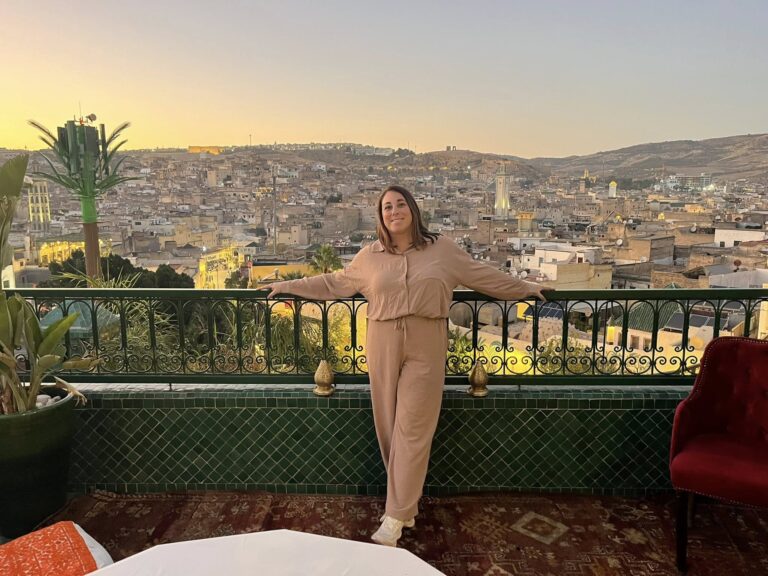 12/3
12/3Morocco had been on my bucket list for years, and this past trip absolutely delivered. It’s beautiful, vibrant, and full of life—but also a destination where having a guided experience makes everythin...
Read more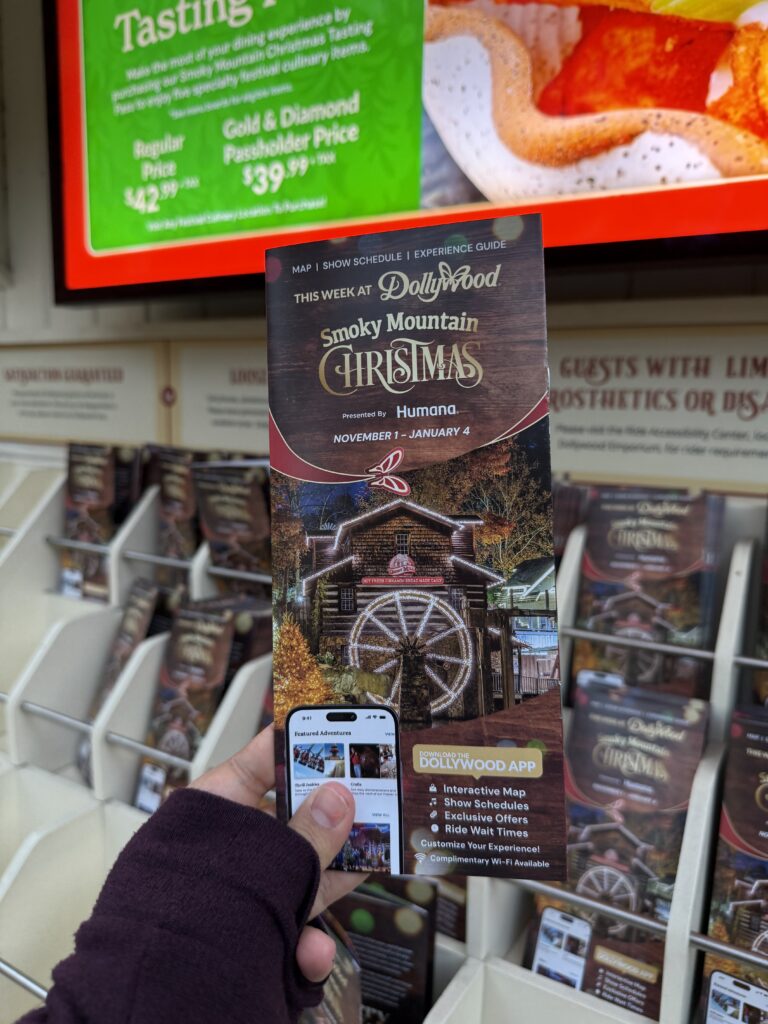 11/10
11/10If you’re dreaming of a mountain getaway filled with twinkling lights, festive music, and family fun, Christmas in the Smokies at Dollywood is a must-see holiday event. Each year, Dollywood’s Smoky Mo...
Read more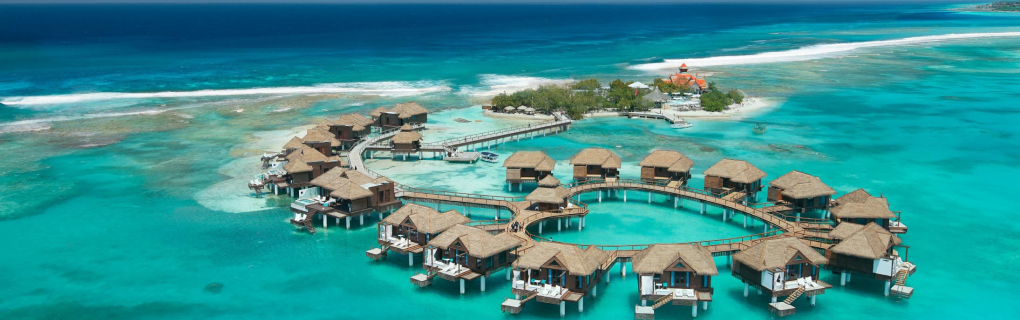 11/6
11/6💍 Why Sandals Royal Caribbean Should Be in Your Top 3 Honeymoon Destinations When it comes to choosing the perfect honeymoon spot, there’s something truly magical about Sandals Royal Caribbean in Mo...
Read moreFrom our storefronts to your destination, we are your dedicated, debt-free, and experienced travel partner.
We are a proud USA-based, 100% female-owned business. Operating completely debt-free, we offer you the stability and peace of mind you deserve when booking your dream vacation.
As a Top 20 Agency with the elite Signature Travel Network, we unlock exclusive perks, upgrades, and amenities for you that you can't find anywhere else.
Serving clients since 2013 with leadership selling travel since 2002. Our team of professionals brings decades of real-world travel experience to your itinerary.
While we have physical storefront locations you can visit, we are fully equipped to book travel for clients residing in every state across the USA.
We are a company that can be trusted. We advocate for you from the moment you book until you return home, ensuring a seamless experience.
Click on a location below to learn more. We recognize that vacations are not just an investment, but often the highlights of our lives, and we take that responsibility seriously. We want to ensure you have the best experience.
All of these are signs that you are a great fit to become an independent travel agent, and turn your love of travel from passion into profit!
Learn MoreOur motto at Vincent Vacations is, we go so you know! We want to ensure you have the BEST experience, whether it's a river cruise, or a corporate group incentive trip, we want to ensure your vacation is a success.
Many of our travel agents have been in travel since 2002! With Vincent Vacations, all travel components are taken care of - this includes accommodations, air, transfers, tours, activities, insurance, contracts, EVERYTHING.
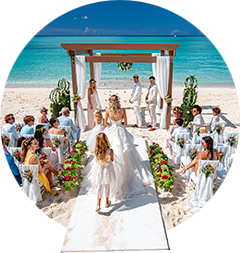
Destination weddings, Anniversaries, vow renewals, honeymoons, engagements, elopements, retie the knot, babymoons, proposal trips and more

Corporate group retreats and incentive trips, seniors-only river cruises, friends & family getaways, special group anniversary celebrations and more
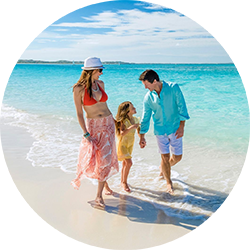
All-inclusive resorts, Hawaii, cruises, Europe, African Safaris, exotic Fiji and the islands, there are so many travel options for families

Adventures by Disney, Disney Cruise Lines, Disney World, Disneyland, Disney Resorts, Aulani, Universal, MyDisneyExperience, Disney Genie, characters dining, and more
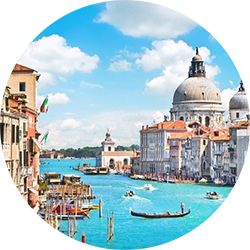
We know Europe! Paris, London, Rome, Florence, Barcelona, Swiss Alps, Prague, Amsterdam, Venice, Athens, Vienna, Madrid, let's go!
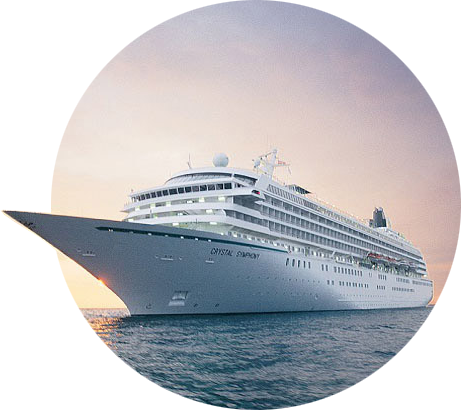
Ocean cruising, river cruising, yacht charters, expeditions, Royal Caribbean, Norwegian, Viking, Lindblad, there are so many options when it comes to cruising
We create custom travel itineraries and trips, and we know travel - Whether it's Universal, river cruises, safaris, yacht charters, Australia, Thailand and more!
Get A Free QuoteWe serve customers all across the USA
Debt free and in business since 2013. Vincent Vacations has agents in Dallas, Kansas City, Houston, Shreveport, Little Rock, Roswell, Oklahoma City and more locations.

Travel agents can help save time and stress by doing the research and handling all your bookings for you. An experience travel agent is best at finding great deals and packages, as well as providing you with helpful information and tips. They can also help you plan special activities and experiences that you may not have thought of on your own. All in all, using a travel agent can be a great way to make sure you get the most out of your trip.
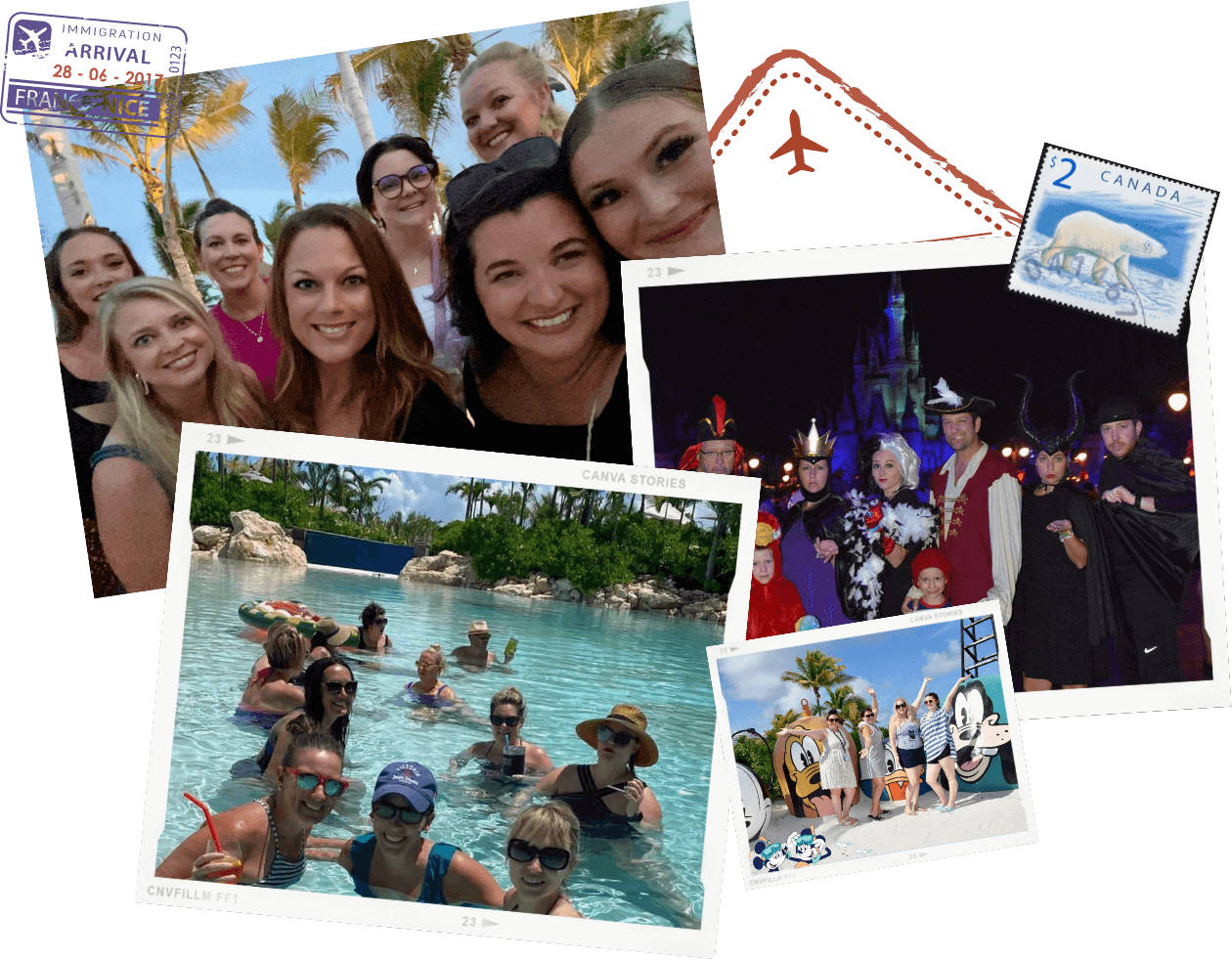
In travel since 2002, and in business since 2013, our travel team serves clients all over the US! Planning a vacation away from home takes a great team. We have taken the time to build a team of dedicated, smart, hard-working personnel who are each committed to excellence and service. We work side-by-side, creating and ensuring INCREDIBLE vacation experiences for you and your group. Our store front in-office team, and our travel consultant independent contractors, work all around the US.
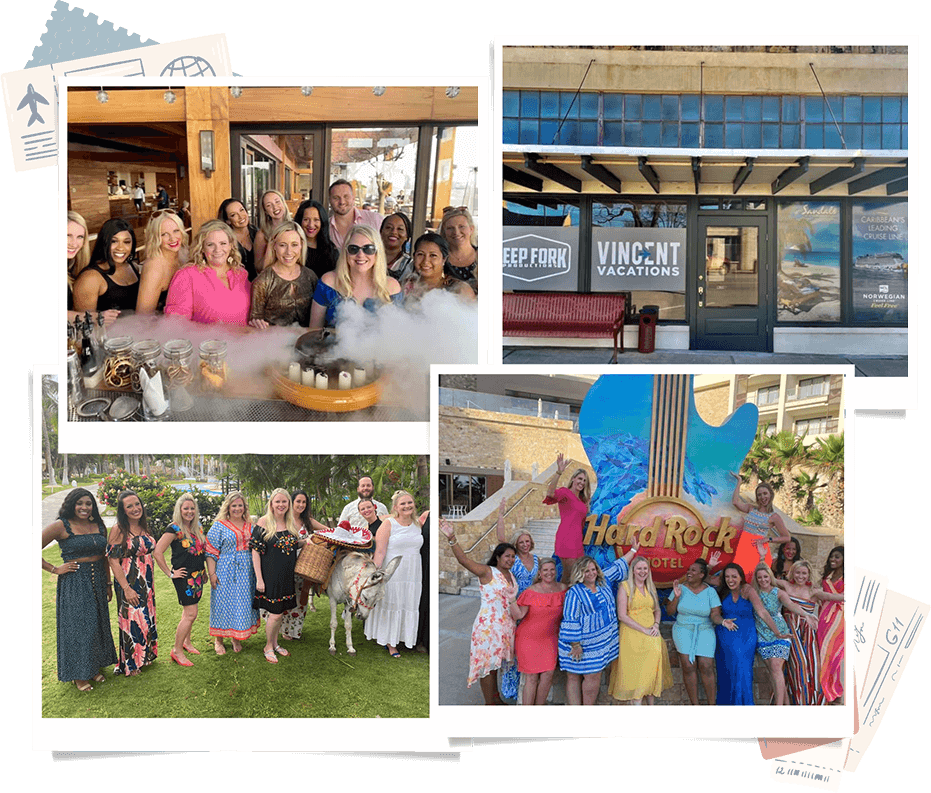

In business since 2013, we are your #1 source for travel!
Free Vacation Package Quote