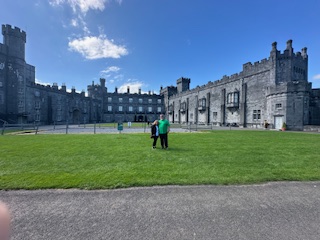
Kilkenny
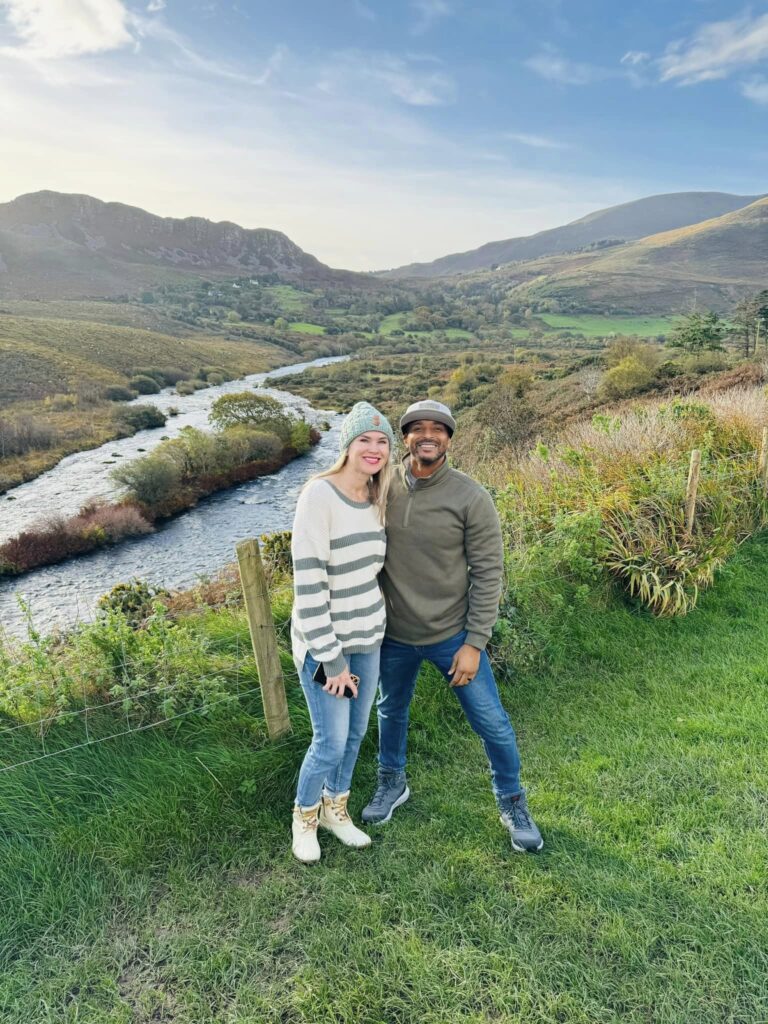
Days 3 & 4 were my favorite so far! First, we traveled by train to Kilkenny. It was great to get to see the country side,as it quickly passed by. We dropped off our luggage and then we had lunch...
Read more








Travel Packages All Inclusive from our Advisors
We recognize that vacations are not just an investment, but often the highlights of our lives, and we take that responsibility seriously. We want to ensure you have the best vacation experience. Interested in a job in travel? Click here to learn: How to Become a Travel Agent
Categories: Europe
Categories: Dublin (Dun Laoghaire)

Dublin and Northern Ireland are two of Ireland's most captivating regions, offering a rich blend of history, culture, and breathtaking landscapes. With Europe Express, travelers can embark on an enriching journey through these regions, immersing themselves in iconic landmarks, hidden gems, and unforgettable experiences. Read more →

Dublin and Northern Ireland are two of the most captivating destinations in the Emerald Isle, offering a rich tapestry of history, culture, and breathtaking landscapes. For travelers seeking an immersive experience, Europe Express's 8-day Dublin and Northern Ireland Highlights itinerary is a must-visit. This customizable journey provides a seamless blend of cultural exploration, historical insights, and natural wonders, ensuring a truly memorable experience for all. Read more →

Planning a trip to Ireland is a thrilling adventure, especially when you have the opportunity to explore both Dublin and Northern Ireland. With Europe Express, you can embark on a journey that combines vibrant culture, breathtaking landscapes, and rich history. From the cobblestone streets of Dublin to the stunning natural wonders of Northern Ireland, this itinerary promises an unforgettable experience. Read more →

The Emerald Isle, comprising Dublin and Northern Ireland, offers a captivating blend of history, culture, and breathtaking landscapes, making it an ideal destination for travelers seeking an enriching experience. With Europe Express, you can immerse yourself in these enchanting regions, exploring iconic landmarks, hidden gems, and enjoying a seamless travel experience. Read more →

Dublin and Northern Ireland are destinations that seamlessly blend rich history, vibrant culture, and breathtaking landscapes. With Europe Express, travelers can embark on an unforgettable journey through these captivating regions, experiencing the best of both worlds. This 8-day itinerary is meticulously crafted to ensure a memorable adventure, filled with iconic landmarks, cultural immersion, and natural wonders. Read more →

Dublin and Northern Ireland are two of the most captivating regions in the Emerald Isle, offering a mix of vibrant culture, historic landmarks, and breathtaking natural beauty. With Europe Express, travelers can embark on an immersive journey through these enchanting destinations, exploring iconic sites and hidden gems alike. This article delves into the highlights of their tour, providing insights into what makes this experience truly special. Read more →

Dublin and Northern Ireland are destinations that captivate travelers with their rich history, breathtaking landscapes, and vibrant culture. Europe Express offers a unique 8-day itinerary that explores the essence of these regions, providing an immersive experience for everyone from history buffs to nature lovers. This journey is customizable, allowing travelers to tailor their adventure to their interests and preferences. Read more →

When planning a trip to Ireland, travelers often seek an experience that blends history, culture, and natural beauty. With its stunning landscapes and rich heritage, Ireland is a paradise for those who wish to explore both Dublin and Northern Ireland's most iconic landmarks. Europe Express offers a unique opportunity to delve into these wonders, ensuring an unforgettable journey through some of Ireland's most breathtaking sites. Read more →

Ireland and Northern Ireland are destinations that seamlessly blend rich history, vibrant culture, and breathtaking landscapes, making them must-visit places for any traveler. Europe Express offers an immersive 8-day itinerary that delves into the heart of Dublin and the stunning beauty of Northern Ireland. This journey promises a perfect blend of cultural exploration, historical insights, and natural wonders. Read more →

Traveling through Dublin and Northern Ireland offers an enchanting blend of history, culture, and breathtaking landscapes. With Europe Express, travelers can immerse themselves in the rich heritage and stunning natural beauty of these regions. From vibrant city life to serene countryside, every moment is crafted to create lasting memories. Read more →

Ireland, often referred to as the Emerald Isle, is a treasure trove of history, culture, and stunning landscapes. From the vibrant city of Dublin to the breathtaking beauty of Northern Ireland, each region offers a unique blend of old-world charm and contemporary attractions. With Europe Express, travelers can embark on an enriching journey through these captivating destinations, immersing themselves in iconic landmarks and hidden gems. This article will delve into the highlights of traveling with Europe Express in Dublin and Northern Ireland, showcasing why their tours stand out as a premier choice for exploring this enchanting part of the world. Read more →

When planning a trip to Dublin and Northern Ireland, choosing a tour operator that understands the essence of these captivating regions is crucial. Europe Express offers a unique blend of cultural immersion, breathtaking landscapes, and historical insights that make their tours truly unforgettable. This article delves into the highlights of their Dublin and Northern Ireland tours, showcasing why they stand out as a premier travel partner for those seeking an enriching experience in the Emerald Isle. Read more →

For many travelers, Ireland remains a mystical destination, full of enchanting landscapes, vibrant cities, and a rich cultural heritage. Europe Express offers an extraordinary journey through Dublin and Northern Ireland, highlighting the best of what this Emerald Isle has to offer. This eight-day tour is designed to immerse travelers in the history, scenic beauty, and lively spirit of Ireland, making it an unforgettable adventure. Read more →

For travelers seeking to immerse themselves in the rich history, vibrant culture, and breathtaking landscapes of Ireland, Europe Express offers an unparalleled journey through Dublin and Northern Ireland. This 8-day adventure is meticulously crafted to provide a seamless blend of cultural exploration, historical insights, and natural wonders, ensuring a truly memorable experience for all. Read more →

Dublin and Northern Ireland offer a captivating blend of history, culture, and natural beauty, making them ideal destinations for those seeking a unique travel experience. With Europe Express, travelers can immerse themselves in these enchanting regions, exploring their iconic landmarks and hidden gems. Whether you're interested in medieval castles, vibrant city life, or breathtaking landscapes, this journey promises to be unforgettable. Read more →

Dublin, Ireland, is the small, charming, eminently walkable city that visitors expect, and the corner pubs offer a warm welcome. Wry perceptions are uttered with a winsome Irish lilt in Dublin. And, as visitors stroll along the city's handsome Georgian squares, they'll realize the necessity of an umbrella.
But today's Dublin also includes tech companies, many of them located in the lovely Georgian houses that line the city's streets. High-rises, cosmopolitan restaurants and hotels continue to spring up next door to traditional taverns and friendly guesthouses, and a beehive of construction work aimed at improving the city's infrastructure buzzes around them.
Dublin is a city in transition, from medieval capital to exciting commercial center—a hip, electric city, astonishing even visitors who make it their business to stay on Europe's cutting edge. Dublin's unpretentious charm is still there, but chic urbanity has moved in beside it. Now known for its vibrant nightlife, Dublin has become a favorite city-break destination for young European visitors. Visitors could spend a week in Dublin and still not cover all the attractions.
Best Carnival Cruise Line Travel Agents and Deals
We are your premier destination for all things Carnival Cruise! As certified experts in Carnival Cruise Line travel, we pride ourselves on offering the best deals and personalized service to make your cruise vacation unforgettable.
Exclusive Deals: We leverage our strong relationships with Carnival Cruise Line to bring you exclusive discounts and special offers you won’t find anywhere else.
Tailored Cruise Experiences: Whether you’re seeking a family adventure, a romantic getaway, or a fun-filled group trip, we customize your cruise itinerary to fit your needs perfectly.
Expert Shore Excursion Planning: Enhance your cruise with exciting shore excursions carefully selected to enrich your travel experience.
Dedicated Customer Support: From booking to boarding and beyond, our travel agents are here to assist you every step of the way.
Let us help you navigate the world of Carnival Cruises with confidence and ease. Contact us today to discover the best Carnival Cruise Line travel deals and start planning your dream vacation!
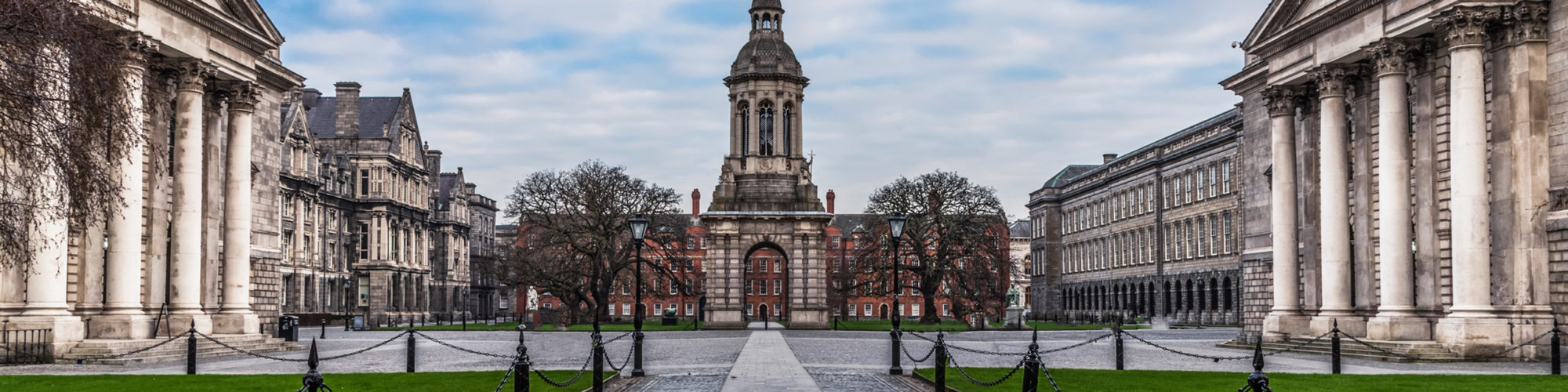
Sights—Ancient Christ Church Cathedral; the 18th-century Georgian architecture of Merrion Square; the beautiful Book of Kells at Trinity College; St. Patrick's Cathedral, where the namesake saint baptized converts to Christianity at a well; Dublin Castle, with its elegant State Apartments.
Museums—The National Museum of Ireland's sites at Collins Barracks and Kildare Street; the impressive collection at the Irish Museum of Modern Art; the Dublin Writers Museum; Dublin City Gallery: The Hugh Lane; Dublinia, the Viking heritage center; The Chester Beatty Library, with its magnificent Asian art holdings.
Memorable Meals—Fresh Irish fare with a French twist at One Pico; modern Irish cooking at L'Ecrivain; lunches of fresh fish and seafood at Cavistons Food Emporium in Sandycove.
Late Night—A potent poitin (which is all the rage) at Bar 1661; mixing with the locals at Mulligans; listening to an up-and-coming Irish band at Whelan's; relaxing in a private booth at Kehoe's; laughing at the alternative comedians at the International Comedy Club; a visit through the cemetery to Kavanagh's (The Gravediggers)—it's a must on anyone's travel bucket list.
Walks—Enjoying breathtaking vistas of Dublin and Wicklow while hiking the Wicklow Way from Marlay Park; meandering through Temple Bar; strolling through the People's Park enjoying spectacular views of Dun Laoghaire; walking around the Baily Lighthouse near Howth; along the North and South Bull Walls or Dun Laoghaire piers.
Especially for Kids—Farmleigh and the Dublin Zoo, both in Phoenix Park; the Viking Splash Tour; Liffey River Cruises; the wonderful playground at Malahide Castle, including the Fry Model Railway Museum.
Dublin is situated on the east coast of Ireland. Its famed river, the Liffey, cuts through the center of the city and empties into Dublin Bay, dividing the city into north and south. On the north side are 18th-century architectural masterpieces—the Custom House and the Four Courts—and also the historic thoroughfare of O'Connell Street. At the northern end of O'Connell Street are Parnell Square and the Gate Theatre. The Abbey Theatre is east of O'Connell Street. South of the Liffey are Trinity College, the trendy (but old) streets of Temple Bar, the fine Georgian buildings of St. Stephen's Green, Grafton Street's upscale stores and restaurants, and most hotels.
Postal codes help serve as indicators of general location within Dublin, and most addresses incorporate them. With very few exceptions, odd-numbered postal codes are used to designate areas north of the Liffey. Even-numbered ones are south of the river. As examples, addresses in Dublin 1 are just north of the river; those in Dublin 2 are immediately south. County Dublin represents the Dublin metropolitan area north and south of the city. Addresses in County Dublin include the name of the village (Dalkey, for example), followed by the abbreviation "Co. Dublin."
Dublin's history is one marked by a tragic influx of conquerors. When the pagan Celts arrived from the European continent sometime around 600 BC, some of them settled on the banks of the Liffey and named the area Baile Atha Cliath (meaning the "ford of hurdles"—the name is still visible on buses and license plates).
In the fifth century, Christianity began to sweep across the island, led by the conversion efforts of St. Patrick. Religious scholarship flourished in Ireland until the ninth century, when Viking invaders wreaked havoc on the Emerald Isle and firmly established the city of Dublin. In 1014, the Vikings were defeated by the Irish king Brian Boru in the Battle of Clontarf, but it wasn't long after that the British took an interest in their western neighbor.
In the late 12th century, England's King Henry II sent his well-disciplined army of Anglo-Normans to Ireland, claiming sovereignty over Dublin and the surrounding area. After triumph in the English civil war in the mid-1600s, the Protestant Oliver Cromwell also took control of Dublin, precipitating a power struggle between Catholics and Protestants that has continued to the present day.
As the seat of English rule in Ireland, the town prospered. An 18th-century economic boom fostered a Georgian architectural expansion still evident in the city. At the beginning of the 19th century, however, the Act of Union between England and Ireland abolished the Irish parliament, and many of the city's aristocrats left for England. This mass exodus was accentuated by the Great Famine of the 1840s and '50s, when 2 million Irish people either died of starvation or moved abroad as a result of a far-reaching potato blight and staple-crop failure. Emigration continued over the next century, dramatically reducing the population and inflaming a movement for Irish independence (or Home Rule) from Britain.
During Easter of 1916, a band of Irish rebels led by James Connolly and Patrick Pearse took over Dublin's General Post Office and proclaimed an Irish republic in what became known as the Easter Rising. The British subsequently executed most of the rebel leaders, enraging many Dubliners who had been less enthusiastic about independence. On 6 December 1921, the Irish Free State was finally established. A bitter civil war immediately followed, leaving Dublin in ruin. The conflict ended in a partition of Ireland: The 26 southern counties gained their independence, but six counties known as Northern Ireland remained part of the U.K.
Dubliners rebuilt their city, and after seven turbulent and impoverished decades, they experienced an economic upturn in the 1990s. Many former emigrants returned to their native land. With them came immigrants from eastern Europe, Africa and Asia, giving Ireland its first experience of being a multicultural society. An abundance of restaurants, pubs and hotels cropped up, reflecting the increasingly cosmopolitan tastes and spending power of the local populace. The city's expansion and resurgence is still going strong.
But the capital has struggled with its growth. A hyperinflated property market has left many burdened by huge mortgages. Affordable housing is hard to come by—in fact, the city is one of the world's most expensive places to rent. During the prosperous early 2000s, Dubliners developed expensive lifestyles, which are now financed through credit-card spending—giving the Irish one of the highest levels of personal debt in Europe. The Irish travel frequently, especially to southern Europe and the U.S., in search of bargains. Fiscal conservation is under way as the country is struggling with a currency crisis and Ireland attempts to stabilize its economy.
Killiney and neighboring Dalkey form "the Beverly Hills of Ireland." George Bernard Shaw was from there, and residents have included Bono and The Edge from the band U2, singers Sinead O'Connor, Van Morrison, Enya and filmmaker Neil Jordan. Internationally renowned writer Maeve Binchy was born there and lived there until her death in 2012.
At noon and 6 pm, the national broadcaster RTE stops all TV and radio programs on its main stations to play "the Angelus," a one-minute recording of church bells, to allow people to say their daily prayers. The tradition is a vestige of the institutional power held by the Catholic Church in the days when the station was founded.
Stay alert to pick up a few Dublin words and phrases such as me old segosha (my old friend); craic (fun, good conversation and entertainment); holliers (holidays); and the mott (a girlfriend or wife).
Because of the smoking ban in workplaces and public venues, the Irish have developed the custom of "smirting"—smoking and flirting with people they meet outdoors. The term is said to have originated in Dublin's nightclub-rich Temple Bar district.
Dublin's most notable statues are given nicknames that are usually rhyming and often politically incorrect. A statue of Molly Malone near Grafton Street is called "the tart with a cart" or "the dish with the fish." The Anna Livia statue, a woman sitting in a fountain to represent the spirit of the River Liffey, was unveiled in 1988 and promptly became "the floozy in the Jacuzzi"—or even more impolitely "the hoo-er in the sewer." The sculpture attracted so much abuse from pranksters that it was replaced by the Millennium Spire, soon known as "the stiletto in the ghetto," among other names. In the Grand Canal Basin, just off Pearse Street, the floating cubic building—officially known as the Waterways Ireland Visitors Centre—is affectionately referred to as "the box in the docks."
Dublin's O'Connell Bridge, which spans the River Liffey and connects the north and south sides of the city, is known for being the only bridge in Europe that is just as wide as it is long. What's more, it's not the only O'Connell Bridge in the city; the other can be found in St. Stephen's Green, where it dramatically spans a pond.
Dublin's Trinity College is probably best known as the home of the legendary Book of Kells. Its lengthy list of notable alumni, however, includes Jonathan Swift, Oscar Wilde, Samuel Beckett and even Bram Stoker, author of Dracula, who was born in Dublin.
Dublin Port Authority books approximately 125 cruise ships and welcomes more than 442,000 passengers each year.
Smaller liners can dock on the River Liffey, and large ships dock at Alexandra Quay, an area more suited to cargo ships. There's not much when you disembark, as the area is virtually all industrial, so your best bet is to take one of the shuttle buses or a cab into town. The entire Quay is experiencing redevelopment, including facility updates and other improvements, but work is likely to be ongoing for several years.
Dublin Port is centrally located, only minutes from Dublin city center and major tourist attractions. The port is also within walking distance of the Georgian-style 1791 Customs House, where you can stroll through the arcades and pavilions.
Dublin, Ireland, is the small, charming, eminently walkable city that visitors expect, and the corner pubs offer a warm welcome. Wry perceptions are uttered with a winsome Irish lilt in Dublin. And, as visitors stroll along the city's handsome Georgian squares, they'll realize the necessity of an umbrella.
But today's Dublin also includes tech companies, many of them located in the lovely Georgian houses that line the city's streets. High-rises, cosmopolitan restaurants and hotels continue to spring up next door to traditional taverns and friendly guesthouses, and a beehive of construction work aimed at improving the city's infrastructure buzzes around them.
Dublin is a city in transition, from medieval capital to exciting commercial center—a hip, electric city, astonishing even visitors who make it their business to stay on Europe's cutting edge. Dublin's unpretentious charm is still there, but chic urbanity has moved in beside it. Now known for its vibrant nightlife, Dublin has become a favorite city-break destination for young European visitors. Visitors could spend a week in Dublin and still not cover all the attractions.
Best Carnival Cruise Line Travel Agents and Deals
We are your premier destination for all things Carnival Cruise! As certified experts in Carnival Cruise Line travel, we pride ourselves on offering the best deals and personalized service to make your cruise vacation unforgettable.
Exclusive Deals: We leverage our strong relationships with Carnival Cruise Line to bring you exclusive discounts and special offers you won’t find anywhere else.
Tailored Cruise Experiences: Whether you’re seeking a family adventure, a romantic getaway, or a fun-filled group trip, we customize your cruise itinerary to fit your needs perfectly.
Expert Shore Excursion Planning: Enhance your cruise with exciting shore excursions carefully selected to enrich your travel experience.
Dedicated Customer Support: From booking to boarding and beyond, our travel agents are here to assist you every step of the way.
Let us help you navigate the world of Carnival Cruises with confidence and ease. Contact us today to discover the best Carnival Cruise Line travel deals and start planning your dream vacation!
Sights—Ancient Christ Church Cathedral; the 18th-century Georgian architecture of Merrion Square; the beautiful Book of Kells at Trinity College; St. Patrick's Cathedral, where the namesake saint baptized converts to Christianity at a well; Dublin Castle, with its elegant State Apartments.
Museums—The National Museum of Ireland's sites at Collins Barracks and Kildare Street; the impressive collection at the Irish Museum of Modern Art; the Dublin Writers Museum; Dublin City Gallery: The Hugh Lane; Dublinia, the Viking heritage center; The Chester Beatty Library, with its magnificent Asian art holdings.
Memorable Meals—Fresh Irish fare with a French twist at One Pico; modern Irish cooking at L'Ecrivain; lunches of fresh fish and seafood at Cavistons Food Emporium in Sandycove.
Late Night—A potent poitin (which is all the rage) at Bar 1661; mixing with the locals at Mulligans; listening to an up-and-coming Irish band at Whelan's; relaxing in a private booth at Kehoe's; laughing at the alternative comedians at the International Comedy Club; a visit through the cemetery to Kavanagh's (The Gravediggers)—it's a must on anyone's travel bucket list.
Walks—Enjoying breathtaking vistas of Dublin and Wicklow while hiking the Wicklow Way from Marlay Park; meandering through Temple Bar; strolling through the People's Park enjoying spectacular views of Dun Laoghaire; walking around the Baily Lighthouse near Howth; along the North and South Bull Walls or Dun Laoghaire piers.
Especially for Kids—Farmleigh and the Dublin Zoo, both in Phoenix Park; the Viking Splash Tour; Liffey River Cruises; the wonderful playground at Malahide Castle, including the Fry Model Railway Museum.
Dublin is situated on the east coast of Ireland. Its famed river, the Liffey, cuts through the center of the city and empties into Dublin Bay, dividing the city into north and south. On the north side are 18th-century architectural masterpieces—the Custom House and the Four Courts—and also the historic thoroughfare of O'Connell Street. At the northern end of O'Connell Street are Parnell Square and the Gate Theatre. The Abbey Theatre is east of O'Connell Street. South of the Liffey are Trinity College, the trendy (but old) streets of Temple Bar, the fine Georgian buildings of St. Stephen's Green, Grafton Street's upscale stores and restaurants, and most hotels.
Postal codes help serve as indicators of general location within Dublin, and most addresses incorporate them. With very few exceptions, odd-numbered postal codes are used to designate areas north of the Liffey. Even-numbered ones are south of the river. As examples, addresses in Dublin 1 are just north of the river; those in Dublin 2 are immediately south. County Dublin represents the Dublin metropolitan area north and south of the city. Addresses in County Dublin include the name of the village (Dalkey, for example), followed by the abbreviation "Co. Dublin."
Dublin's history is one marked by a tragic influx of conquerors. When the pagan Celts arrived from the European continent sometime around 600 BC, some of them settled on the banks of the Liffey and named the area Baile Atha Cliath (meaning the "ford of hurdles"—the name is still visible on buses and license plates).
In the fifth century, Christianity began to sweep across the island, led by the conversion efforts of St. Patrick. Religious scholarship flourished in Ireland until the ninth century, when Viking invaders wreaked havoc on the Emerald Isle and firmly established the city of Dublin. In 1014, the Vikings were defeated by the Irish king Brian Boru in the Battle of Clontarf, but it wasn't long after that the British took an interest in their western neighbor.
In the late 12th century, England's King Henry II sent his well-disciplined army of Anglo-Normans to Ireland, claiming sovereignty over Dublin and the surrounding area. After triumph in the English civil war in the mid-1600s, the Protestant Oliver Cromwell also took control of Dublin, precipitating a power struggle between Catholics and Protestants that has continued to the present day.
As the seat of English rule in Ireland, the town prospered. An 18th-century economic boom fostered a Georgian architectural expansion still evident in the city. At the beginning of the 19th century, however, the Act of Union between England and Ireland abolished the Irish parliament, and many of the city's aristocrats left for England. This mass exodus was accentuated by the Great Famine of the 1840s and '50s, when 2 million Irish people either died of starvation or moved abroad as a result of a far-reaching potato blight and staple-crop failure. Emigration continued over the next century, dramatically reducing the population and inflaming a movement for Irish independence (or Home Rule) from Britain.
During Easter of 1916, a band of Irish rebels led by James Connolly and Patrick Pearse took over Dublin's General Post Office and proclaimed an Irish republic in what became known as the Easter Rising. The British subsequently executed most of the rebel leaders, enraging many Dubliners who had been less enthusiastic about independence. On 6 December 1921, the Irish Free State was finally established. A bitter civil war immediately followed, leaving Dublin in ruin. The conflict ended in a partition of Ireland: The 26 southern counties gained their independence, but six counties known as Northern Ireland remained part of the U.K.
Dubliners rebuilt their city, and after seven turbulent and impoverished decades, they experienced an economic upturn in the 1990s. Many former emigrants returned to their native land. With them came immigrants from eastern Europe, Africa and Asia, giving Ireland its first experience of being a multicultural society. An abundance of restaurants, pubs and hotels cropped up, reflecting the increasingly cosmopolitan tastes and spending power of the local populace. The city's expansion and resurgence is still going strong.
But the capital has struggled with its growth. A hyperinflated property market has left many burdened by huge mortgages. Affordable housing is hard to come by—in fact, the city is one of the world's most expensive places to rent. During the prosperous early 2000s, Dubliners developed expensive lifestyles, which are now financed through credit-card spending—giving the Irish one of the highest levels of personal debt in Europe. The Irish travel frequently, especially to southern Europe and the U.S., in search of bargains. Fiscal conservation is under way as the country is struggling with a currency crisis and Ireland attempts to stabilize its economy.
Killiney and neighboring Dalkey form "the Beverly Hills of Ireland." George Bernard Shaw was from there, and residents have included Bono and The Edge from the band U2, singers Sinead O'Connor, Van Morrison, Enya and filmmaker Neil Jordan. Internationally renowned writer Maeve Binchy was born there and lived there until her death in 2012.
At noon and 6 pm, the national broadcaster RTE stops all TV and radio programs on its main stations to play "the Angelus," a one-minute recording of church bells, to allow people to say their daily prayers. The tradition is a vestige of the institutional power held by the Catholic Church in the days when the station was founded.
Stay alert to pick up a few Dublin words and phrases such as me old segosha (my old friend); craic (fun, good conversation and entertainment); holliers (holidays); and the mott (a girlfriend or wife).
Because of the smoking ban in workplaces and public venues, the Irish have developed the custom of "smirting"—smoking and flirting with people they meet outdoors. The term is said to have originated in Dublin's nightclub-rich Temple Bar district.
Dublin's most notable statues are given nicknames that are usually rhyming and often politically incorrect. A statue of Molly Malone near Grafton Street is called "the tart with a cart" or "the dish with the fish." The Anna Livia statue, a woman sitting in a fountain to represent the spirit of the River Liffey, was unveiled in 1988 and promptly became "the floozy in the Jacuzzi"—or even more impolitely "the hoo-er in the sewer." The sculpture attracted so much abuse from pranksters that it was replaced by the Millennium Spire, soon known as "the stiletto in the ghetto," among other names. In the Grand Canal Basin, just off Pearse Street, the floating cubic building—officially known as the Waterways Ireland Visitors Centre—is affectionately referred to as "the box in the docks."
Dublin's O'Connell Bridge, which spans the River Liffey and connects the north and south sides of the city, is known for being the only bridge in Europe that is just as wide as it is long. What's more, it's not the only O'Connell Bridge in the city; the other can be found in St. Stephen's Green, where it dramatically spans a pond.
Dublin's Trinity College is probably best known as the home of the legendary Book of Kells. Its lengthy list of notable alumni, however, includes Jonathan Swift, Oscar Wilde, Samuel Beckett and even Bram Stoker, author of Dracula, who was born in Dublin.
Dublin Port Authority books approximately 125 cruise ships and welcomes more than 442,000 passengers each year.
Smaller liners can dock on the River Liffey, and large ships dock at Alexandra Quay, an area more suited to cargo ships. There's not much when you disembark, as the area is virtually all industrial, so your best bet is to take one of the shuttle buses or a cab into town. The entire Quay is experiencing redevelopment, including facility updates and other improvements, but work is likely to be ongoing for several years.
Dublin Port is centrally located, only minutes from Dublin city center and major tourist attractions. The port is also within walking distance of the Georgian-style 1791 Customs House, where you can stroll through the arcades and pavilions.
Vincent Vacations - Authorized Dublin Vacation Planner
Questions? Call us at
1 (888) 883-0460
For Groups of 10
or more rooms, or 8 or more Cabins, please use of Group Form
Click Here for our Group Department
Vincent Vacations is an award winning travel agency. We serve clients all over the US.
Learn more about:
How to become a travel agent!
We are an IATAN, CLIA, ASTA, IATA Accrediated Travel Agency
See all awards & certificates.



 11/26
11/26Traveling to Ireland can be a wonderful experience, filled with stunning landscapes, rich history, and friendly locals. Here are some tips to help you make the most of your trip: Weather Preparat...
Read more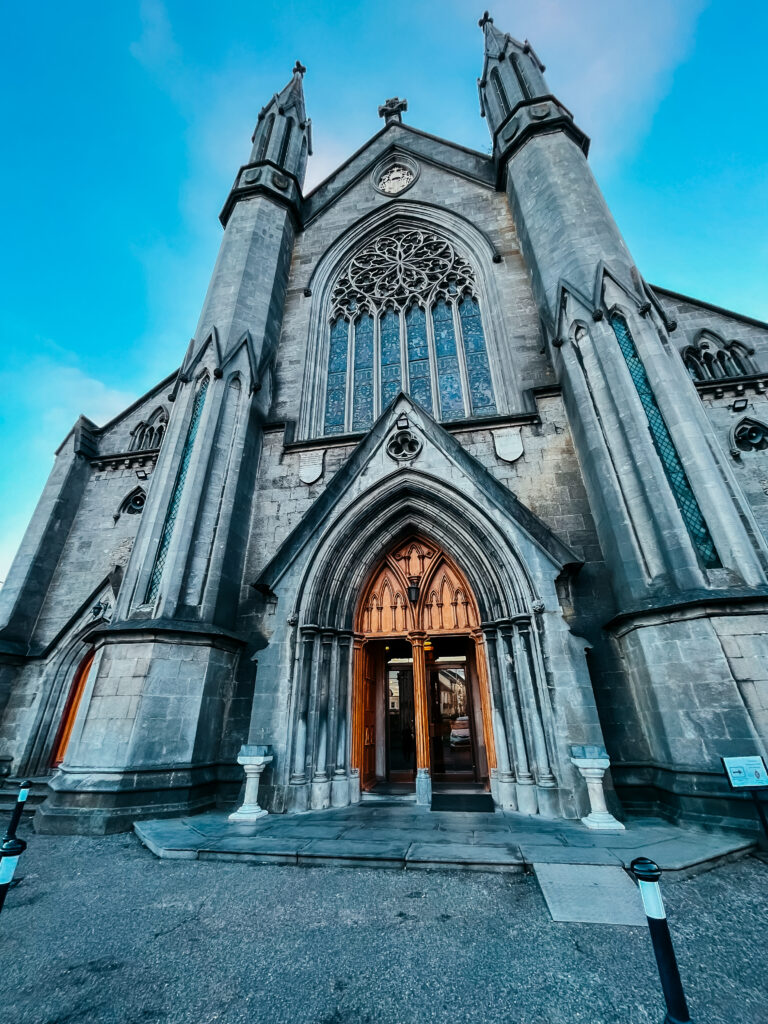 3/16
3/16Sometimes when you watch movies you get a glimpse of far away places. I recall watching scenes of rolling green fields, gray stone walls, lively pubs with good music and company, ancient castles, and ...
Read moreFrom our storefronts to your destination, we are your dedicated, debt-free, and experienced travel partner.
We are a proud USA-based, 100% female-owned business. Operating completely debt-free, we offer you the stability and peace of mind you deserve when booking your dream vacation.
As a Top 20 Agency with the elite Signature Travel Network, we unlock exclusive perks, upgrades, and amenities for you that you can't find anywhere else.
Serving clients since 2013 with leadership selling travel since 2002. Our team of professionals brings decades of real-world travel experience to your itinerary.
While we have physical storefront locations you can visit, we are fully equipped to book travel for clients residing in every state across the USA.
We are a company that can be trusted. We advocate for you from the moment you book until you return home, ensuring a seamless experience.
Click on a location below to learn more. We recognize that vacations are not just an investment, but often the highlights of our lives, and we take that responsibility seriously. We want to ensure you have the best experience.
All of these are signs that you are a great fit to become an independent travel agent, and turn your love of travel from passion into profit!
Learn MoreOur motto at Vincent Vacations is, we go so you know! We want to ensure you have the BEST experience, whether it's a river cruise, or a corporate group incentive trip, we want to ensure your vacation is a success.
Many of our travel agents have been in travel since 2002! With Vincent Vacations, all travel components are taken care of - this includes accommodations, air, transfers, tours, activities, insurance, contracts, EVERYTHING.
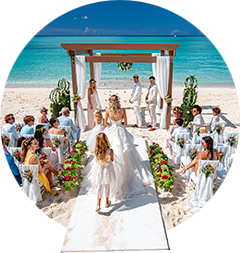
Destination weddings, Anniversaries, vow renewals, honeymoons, engagements, elopements, retie the knot, babymoons, proposal trips and more

Corporate group retreats and incentive trips, seniors-only river cruises, friends & family getaways, special group anniversary celebrations and more
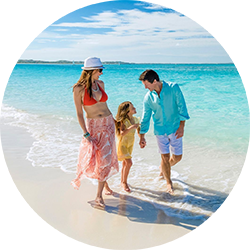
All-inclusive resorts, Hawaii, cruises, Europe, African Safaris, exotic Fiji and the islands, there are so many travel options for families
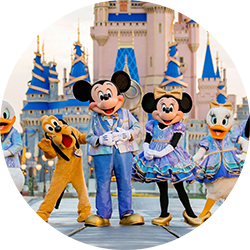
Adventures by Disney, Disney Cruise Lines, Disney World, Disneyland, Disney Resorts, Aulani, Universal, MyDisneyExperience, Disney Genie, characters dining, and more
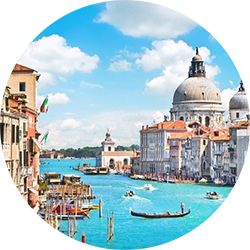
We know Europe! Paris, London, Rome, Florence, Barcelona, Swiss Alps, Prague, Amsterdam, Venice, Athens, Vienna, Madrid, let's go!
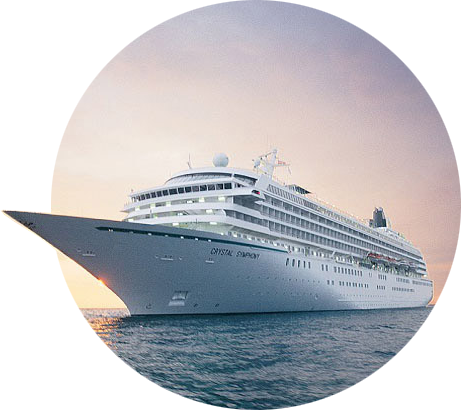
Ocean cruising, river cruising, yacht charters, expeditions, Royal Caribbean, Norwegian, Viking, Lindblad, there are so many options when it comes to cruising
We create custom travel itineraries and trips, and we know travel - Whether it's Universal, river cruises, safaris, yacht charters, Australia, Thailand and more!
Get A Free QuoteWe serve customers all across the USA
Debt free and in business since 2013. Vincent Vacations has agents in Dallas, Kansas City, Houston, Shreveport, Little Rock, Roswell, Oklahoma City and more locations.

Travel agents can help save time and stress by doing the research and handling all your bookings for you. An experience travel agent is best at finding great deals and packages, as well as providing you with helpful information and tips. They can also help you plan special activities and experiences that you may not have thought of on your own. All in all, using a travel agent can be a great way to make sure you get the most out of your trip.
In travel since 2002, and in business since 2013, our travel team serves clients all over the US! Planning a vacation away from home takes a great team. We have taken the time to build a team of dedicated, smart, hard-working personnel who are each committed to excellence and service. We work side-by-side, creating and ensuring INCREDIBLE vacation experiences for you and your group. Our store front in-office team, and our travel consultant independent contractors, work all around the US.
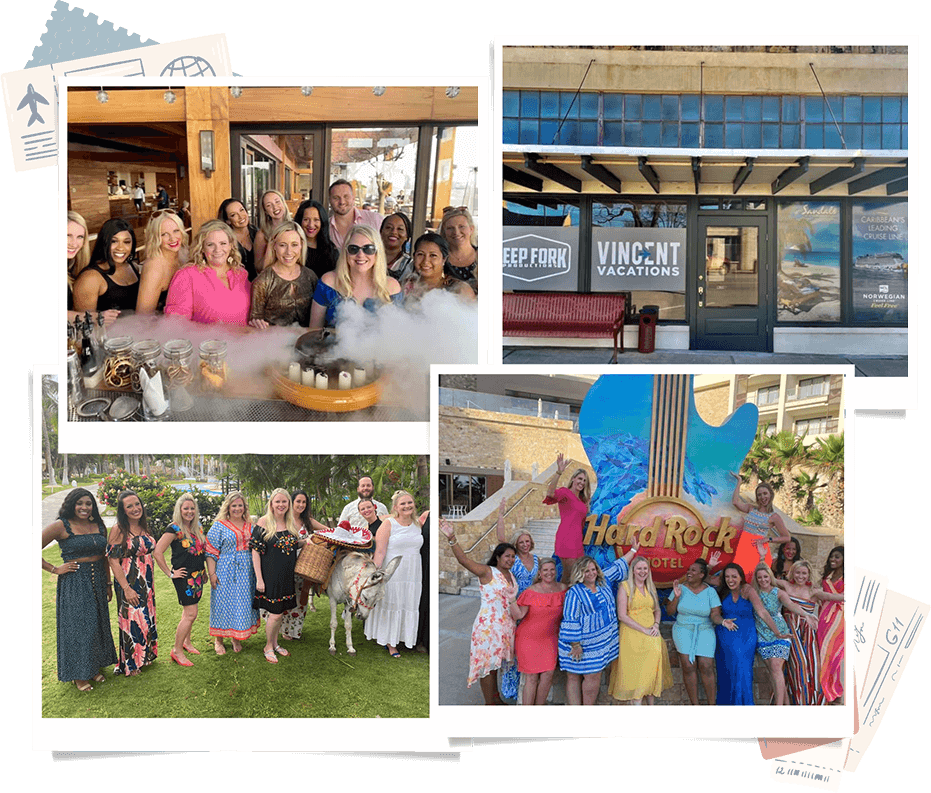
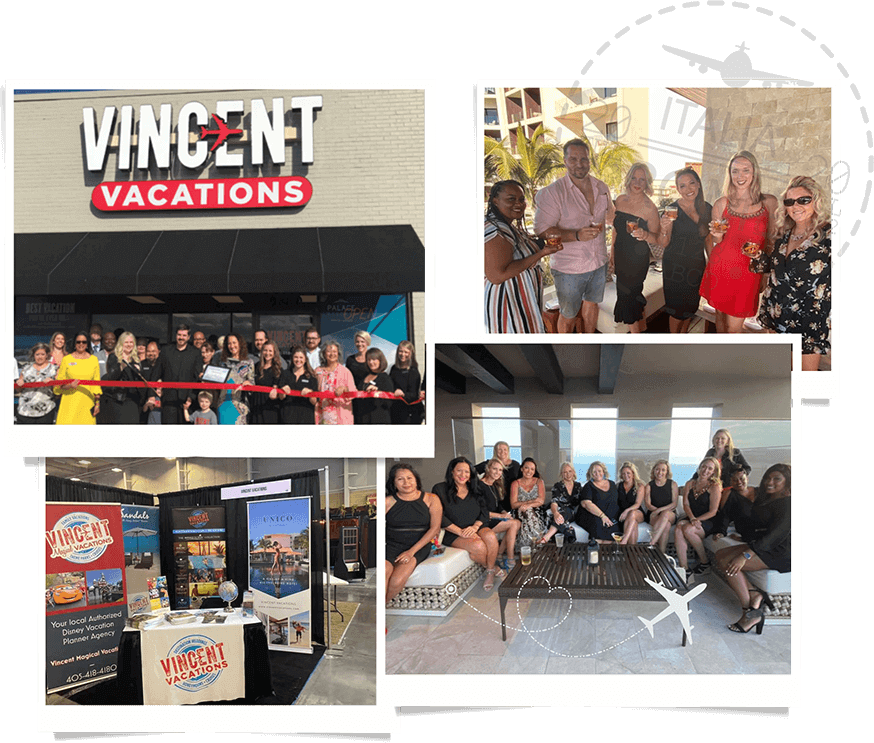
In business since 2013, we are your #1 source for travel!
Free Vacation Package Quote