We recognize that cruise vacations are not just an investment, but often the highlights of our lives, and we take that responsibility seriously. We want to ensure you have the best vacation experience.
Interested in a job in travel? Click here to learn: How to Become a Cruise Travel Agent

Discover the unparalleled expertise of Vincent Vacations, where passionate travel agents specialize in crafting unforgettable journeys aboard Seabourn Cruises. If the Kimberley, Australia itinerary is on your bucket list, you have come to the right place.
Australia, known for its vibrant culture and breathtaking landscapes, is about to get even more exciting with Carnival doubling down on its operations in the country. This move promises to delight both families and adventure seekers alike. Whether you're looking for relaxation on pristine beaches or excitement in the bustling cities, Carnival has something for everyone.
Carnival Cruise Line is expanding its presence in Australia with the introduction of new itineraries for the 2026/27 season, offering a diverse range of travel options for those looking to explore the region. This expansion includes four ships: Carnival Adventure, Carnival Splendor, Carnival Encounter, and Carnival Luminosa. These ships will operate out of Sydney and Brisbane, providing numerous opportunities to discover the beauty of Australia and the South Pacific.
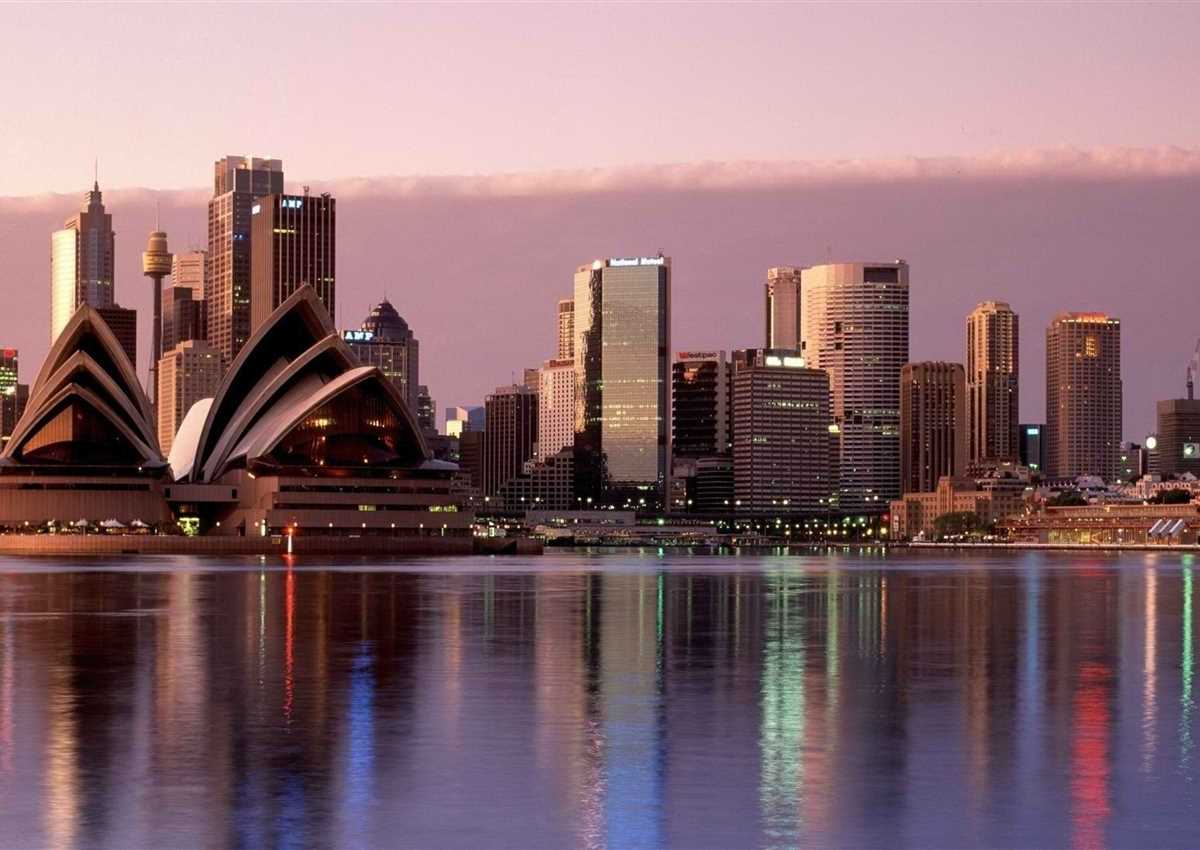
There are moments in travel that etch themselves into your memory with the permanence of a master's engraving. One such moment is gliding past the iconic sails of the Sydney Opera House at dawn, a flute of champagne in hand, aboard a vessel that feels less like a ship and more like a floating monument to the golden age of ocean travel. This isn't just any cruise; this is the Cunard experience in one of the world's most breathtaking settings. For the discerning traveller, the pairing of Cunard's legendary elegance with the raw, untamed beauty of Australia and New Zealand is nothing short of a masterpiece.
Imagine the gentle hum of a grand ocean liner, the clink of crystal glasses, and the vast, sun-drenched coastlines of Australia and New Zealand unfolding before you. A voyage with Cunard is not merely a holiday; it is an immersion into a world of timeless elegance, impeccable service, and profound discovery. From the iconic sails of the Sydney Opera House to the mystical, mist-shrouded peaks of Milford Sound, this is a journey that engages the senses and stirs the soul.
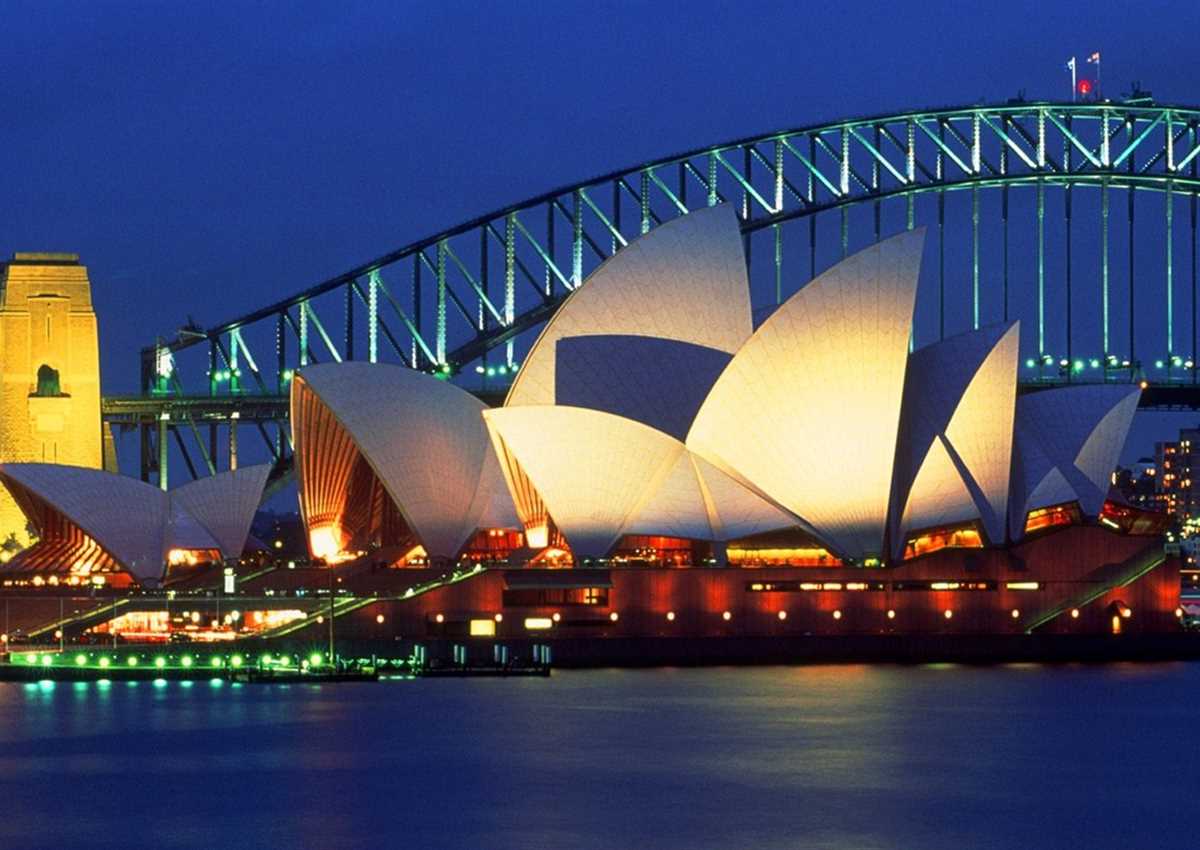
There is a moment, as you glide into Sydney Harbour, when the world seems to hold its breath. The first glimpse of the Harbour Bridge, a colossal steel arch against the cerulean sky, is swiftly followed by the iconic, shell-like sails of the Opera House. It’s a travel-poster image brought to life, a moment etched in the memory of every traveller who has witnessed it. But as a seasoned travel journalist, I can assure you of this: this spectacular overture is merely the opening note in a grand symphony of discovery that awaits in Australia and New Zealand. To truly appreciate the rich, complex, and soul-stirring composition of the Antipodes, you need a vessel that matches its grandeur. You need a voyage with Cunard.
For over two decades, I’ve sailed the world’s oceans, stepping aboard everything from intimate river yachts to colossal floating cities. Yet, certain names still resonate with a unique gravitas, a whisper of a bygone era of travel. Cunard is one such name. It evokes images of transatlantic crossings, Art Deco ballrooms, and a standard of service that feels both timeless and impeccably British. But when you pair this legendary line with the dramatic, sun-drenched landscapes of Australia and the mythical beauty of New Zealand, a question naturally arises for the discerning traveler: Is it truly worth the hype?
There is a corner of the world where landscapes are painted on a scale so grand, they seem to defy reality. A place where ancient cultures whisper on the breeze, vibrant cities hum with creative energy, and nature’s masterpieces—from sun-drenched coastlines to majestic, ice-carved fiords—unfold in a breathtaking panorama. This is the realm of Australia and New Zealand, a destination that calls to the heart of every true traveler. And there is simply no more civilized, elegant, or profoundly memorable way to answer that call than aboard a Cunard ocean liner.
There’s a moment, just as the sun dips below the vast expanse of the Tasman Sea, when the sky ignites in a blaze of crimson and gold. The air, crisp and tasting of salt, carries the distant call of a seabird. You’re standing on your private balcony, a glass of chilled Sauvignon Blanc in hand, watching the world’s most dramatic coastline drift by. This isn’t a dream. This is the reality of exploring Australia and New Zealand by sea, and it’s an experience that redefines the very essence of travel.
There are moments in travel that etch themselves into your soul. The first glimpse of a landscape so immense, so profoundly wild, it recalibrates your sense of scale. Imagine standing on your private balcony, a warm coffee in hand, as your ship glides silently into New Zealand's Fiordland National Park. Waterfalls, thousands of feet high, cascade down sheer granite cliffs, their mist kissing the deep, dark waters below. This isn’t a scene from a documentary; it’s your Tuesday morning.
The very thought of it sends a thrill down your spine, doesn't it? The sun-drenched coastlines of Australia, the mythical fjords of New Zealand, and the endless blue of the Pacific Ocean. An adventure to the lands Down Under is more than a vacation; it's a pilgrimage for the soul, a journey to the other side of the world where vibrant cities and staggering natural beauty coexist. Aboard a magnificent Carnival cruise ship, you have a floating resort that carries you effortlessly between these two epic destinations.
Imagine the gentle lapping of the Tasman Sea against the hull, a glass of crisp Sauvignon Blanc in hand as the sun dips below the horizon, painting the sky in hues of fire and gold. Ahead lies another day of discovery, not just a fleeting glimpse, but a deep, meaningful connection with one of the most breathtaking corners of our planet. This isn't just a vacation; it's an immersion. This is the promise of exploring Australia and New Zealand with Azamara Cruises.
Imagine the scene. You’re standing on your private veranda, a glass of crisp Sauvignon Blanc in hand, as the ship glides silently through the ethereal mists of Milford Sound. Sheer granite cliffs, thousands of feet high and slick with the spray of ancient waterfalls, rise dramatically from the dark, mirror-like water. It’s a moment so profound, so humbling, it feels as though you’ve sailed into the dawn of time itself. This isn’t just a vacation; it’s a communion with the sublime.
There’s a certain magic that whispers from the Antipodes. It’s in the scent of eucalyptus on a warm breeze, the otherworldly glow of a Milford Sound dawn, and the infectious energy of Sydney’s glittering harbour. To journey to Australia and New Zealand is to answer a call to adventure, to witness landscapes so dramatic they seem painted by a divine hand, and to immerse yourself in cultures both ancient and vibrantly modern. But how does one prepare for a voyage of such epic proportions? The secret isn't just in choosing the right destination, but the right vessel—and packing with intention.
The scent of eucalyptus hung in the warm air, a distinctly Australian perfume mixing with the salty tang of Sydney Harbour. Below my verandah, the iconic white sails of the Opera House gleamed, looking less like a building and more like a modernist sculpture set against a sapphire sea. This wasn't a postcard; this was my reality for the next sixteen days. For years, I’d written about the world’s most exclusive journeys, but the promise of an Azamara cruise through Australia and New Zealand felt different. It wasn’t about ticking boxes. It was about immersion.
Imagine the scent of eucalyptus on a warm breeze, the staggering, silent majesty of a fjord carved by ancient glaciers, and the taste of a world-class Sauvignon Blanc enjoyed on the very vineyard where it was grown. This is not a collection of disparate holidays; it is a single, seamless journey through the lands Down Under. For the discerning traveler, the question isn't if one should explore the staggering beauty of Australia and New Zealand, but how. The answer, for those who value depth over breadth and immersion over observation, is unequivocally with Azamara.
There’s a moment on every truly transformative journey when the world shifts. For me, it happened at dawn, gliding into Sydney Harbour. The sky was a soft blush of rose and gold, the air crisp with the scent of salt and eucalyptus. From my stateroom’s veranda, the iconic sails of the Opera House emerged from the morning mist, not as a postcard image, but as a living, breathing welcome. This wasn’t just seeing Australia; this was arriving. And aboard a Viking ocean ship, arrival is an art form.
Australia. The name itself conjures a universe of imagery: the sun-drenched arc of the Sydney Opera House, the rugged, wine-drenched landscapes of the south, and the untamed, almost prehistoric beauty of Tasmania. It’s a continent of staggering contrasts, a destination that sits at the very top of so many travel wish lists. And for good reason. But the question isn’t if you should see Australia; it’s how.
There is a moment, standing on the private veranda of your stateroom as the ship glides silently out of Sydney Harbour, when the world seems to pause. The iconic sails of the Opera House catch the last rays of the afternoon sun, painting the sky in hues of apricot and rose. The gentle hum of the vessel beneath you is a promise of the adventure ahead. This isn't just a vacation; it's an immersion. This is Australia, experienced the Viking way.
Close your eyes and picture Australia. What do you see? The soaring white sails of the Sydney Opera House, perhaps? A kangaroo bounding across a vast, red desert? While these icons are undeniably part of the Australian story, they are merely the cover of a rich, complex, and deeply fascinating book. The real Australia, the one that seeps into your soul and stays with you long after you’ve returned home, is found in the quiet moments: the taste of a perfectly brewed flat white in a hidden Melbourne laneway, the haunting history whispered on the Tasmanian breeze, the scent of eucalyptus after a sun shower in the Blue Mountains.
There’s a moment, just after dawn, when the light hits the Sydney Opera House just so. From the private veranda of my stateroom, with a warm cup of coffee in hand, I watched as its iconic sails blushed from soft grey to a brilliant, pearlescent white against the deepening blue of the sky. The Harbour Bridge stood as a silent, steadfast guardian. In that quiet, perfect moment, sailing into the world’s most beautiful harbour, I knew this wasn’t just another trip. This was different. This was a journey that would recalibrate my very sense of wonder.
Imagine Australia. Not through the smudged window of a tour bus, or amidst the clamor of a thousand-person shore excursion. Instead, picture this: the gentle snap of a sail in the warm breeze, the clink of ice in a crystal glass, and the vast, sun-drenched coastline of Australia unfolding before you, a private spectacle reserved for a privileged few. This isn’t a dream. This is the paradigm-shifting reality of exploring Down Under with The Ritz-Carlton Yacht Collection.
Imagine waking not to an alarm, but to the gentle lapping of the Coral Sea against a sleek, private hull. You draw back the curtains of your ocean-view suite to reveal a new, breathtaking vista each morning: the turquoise labyrinth of the Great Barrier Reef, the silica-white shores of a deserted island, or the iconic silhouette of the Sydney Opera House bathed in dawn's first light. This isn't just a trip to Australia; it's an immersion into its very soul, experienced with a level of intimacy and elegance previously reserved for private superyachts.
There is a moment, standing on the aft deck of a superyacht like Evrima, where the world seems to pause. The sun dips below the horizon, painting the Coral Sea in hues of apricot and rose. The gentle hum of the engines is a soothing mantra, and the clink of a champagne flute is the only punctuation. This isn’t just a vacation; it’s an immersion into a different way of being. This is the world of The Ritz-Carlton Yacht Collection.
Imagine the first light of dawn painting the Sydney Opera House in hues of rose and gold, witnessed not from a crowded promenade, but from the serene privacy of your own terrace, a flute of chilled champagne in hand. Picture the turquoise waters of the Whitsundays, not as a fleeting postcard view, but as your personal swimming pool, accessed directly from a marina platform at the stern of your vessel. This isn't just a trip to Australia; it's an immersion into its very soul, curated with a level of elegance and intimacy that was once the exclusive domain of private superyachts.
There exists a version of Australia in our collective imagination—a vast, rugged continent of sun-scorched outback, sprawling cities, and otherworldly reefs. For many, the thought of exploring its sheer scale is daunting. It often involves a whirlwind of domestic flights, constant packing and unpacking, and a compromise between comfort and location. But what if I told you there was another way? A way to experience the soul of Australia not from a cramped airplane seat, but from the teak-decked terrace of your own private suite, a glass of chilled champagne in hand, as the Sydney Opera House glides into view. This is not a dream. This is Australia, reimagined by The Ritz-Carlton Yacht Collection.
Imagine the sound. Not the din of tour buses or the chatter of crowded landmarks, but the raucous, joyful call of a sulphur-crested cockatoo as it swoops through a canopy of ancient eucalyptus. Picture the scent of salt and sun-baked sandstone as you glide into a harbour so iconic, it takes your breath away. This is Australia—not the version rushed through on a checklist, but the one savoured, explored, and deeply felt. This is Australia in Silversea style.
Imagine the scent of eucalyptus carried on a warm sea breeze. Picture the iconic sails of the Sydney Opera House gleaming under a perfect azure sky, a flute of chilled champagne in your hand. This isn't just a dream; it's the reality of discovering Australia with Silversea, where unparalleled luxury meets the raw, untamed beauty of the Land Down Under. This is a journey that redefines travel, transforming a simple vacation into a collection of indelible moments.
There is a continent where the light hits differently. Where the air, scented with eucalyptus and salt, carries the ancient whispers of the Dreamtime. It’s a land of staggering contrasts: of sprawling, sun-drenched cities that pulse with creative energy, and of vast, untamed wilderness where unique creatures hop, climb, and soar. This is Australia, a destination that doesn’t just invite you to visit, but to feel, to taste, and to be transformed. And there is no more refined, immersive, or utterly seamless way to experience its soul-stirring majesty than with Silversea.
There’s a certain magic that travel brochures can never quite capture. It’s the whisper of the sea breeze on your private veranda as the sun dips below the horizon, painting the sky in hues of fire and gold. It’s the clink of champagne glasses with newfound friends, sharing stories under a canopy of stars in the middle of the Coral Sea. It’s the quiet, intuitive service of a butler who knows you prefer your cappuccino extra hot, delivered just as you wake. This is the reality of travel that exists beyond the glossy pages—and it’s a reality that Silversea has perfected on its voyages through the magnificent, wild tapestry of Australia.
There is a moment, as you glide out of Sydney Harbour, when the world seems to pause. The setting sun paints the iconic sails of the Opera House in hues of apricot and rose. The Harbour Bridge, a colossal steel arch, stands as a silent sentinel to your departure. From the private verandah of your Silversea suite, a flute of chilled champagne in hand, you’re not just watching a postcard come to life—you are stepping into it. This is the overture to an Australian symphony, played out in unparalleled luxury.
Forget everything you think you know about cruising. Erase the images of sprawling mega-ships, bustling buffets, and scheduled-to-the-minute activities. Instead, picture this: you’re reclining on a plush Balinese Dream Bed on the open deck of a sleek, intimate yacht. A crisp glass of Champagne is in your hand, the warm Australian sun kisses your skin, and the only sounds are the gentle lapping of turquoise water against the hull and the whisper of a sea breeze. You’re not just passing by Australia’s coastline; you’re intimately connected to it, anchored in a secluded bay that larger ships can only dream of visiting. This isn’t cruising. This is yachting. And this is the SeaDream Yacht Club experience.
Imagine waking not to an alarm, but to the gentle lapping of the Coral Sea against a hull. You slide open the door of your stateroom to a private panorama of the Whitsunday Islands, their emerald peaks draped in morning mist. There’s no rush, no crowds, no rigid schedule. There is only the promise of a day tailored entirely to you. This isn’t a dream; it’s a typical morning aboard SeaDream Yacht Club, and it begs the question: have we finally found the most luxurious, intimate, and unforgettable way to experience the wonders of Australia?
There’s a version of Australia that exists in our collective imagination. It’s a land of staggering contrasts, where the ancient, ochre-hued Outback meets the world’s most vibrant underwater ecosystem. It’s the iconic silhouette of the Sydney Opera House against a sapphire harbour and the whisper-soft, silica sands of a deserted beach. For the discerning traveler, the question isn’t if you should experience this wonder, but how. Forget the crowded mega-ships and rigid schedules. Imagine, instead, a journey that mirrors the destination itself: intimate, liberating, and utterly unforgettable.
Imagine Australia. Not the bustling crowds of Sydney Harbour or the well-trodden paths of Melbourne's laneways. Instead, picture an Australia whispered about only by seasoned sailors and discerning travellers. An Australia of secluded, sapphire-blue coves where the only footprints on the pristine white sand are your own. An Australia where the vibrant life of the Great Barrier Reef unfolds before you in a private, silent ballet of colour. This is the continent’s hidden coastline, a realm of unparalleled beauty accessible only to a privileged few. And there is no more exquisite way to uncover it than aboard a SeaDream mega-yacht.
There are trips, and then there are journeys that recalibrate your soul. Moments in time so vivid, so perfectly rendered, they become the benchmark against which all future travel is measured. My recent voyage along the sun-drenched coast of Australia with SeaDream Yacht Club was, unequivocally, the latter. This wasn't merely a cruise; it was an immersion into a world of intimate luxury, untamed beauty, and the profound freedom of the open sea.
There is a version of Australia that exists in the mind’s eye: a sun-drenched panorama of iconic sails against a sapphire harbor, the rust-red heart of the outback, and the otherworldly shimmer of the Great Barrier Reef. It’s a continent of staggering scale and profound beauty. But to truly connect with its spirit, to feel its pulse beyond the postcard views, requires a journey of equal elegance and intimacy. This is where Seabourn enters the frame, transforming a voyage into a masterpiece.
There is a moment, just before a grand journey, when anticipation feels almost tangible. It’s the quiet hum of excitement as you picture the vast, sun-drenched landscapes of Australia, the iconic silhouette of the Sydney Opera House against a sapphire sky, and the gentle sway of an ultra-luxury yacht cutting through turquoise waters. You’ve chosen to explore the Land Down Under with Seabourn, a decision that speaks volumes about your appreciation for the finer things in travel. This is not just a cruise; it is an intimate, all-inclusive sojourn into a world of unparalleled service and discovery.
There is a certain magic to Australia. It’s a continent of staggering contrasts, where ancient, ochre-red landscapes meet the sapphire blues of the Southern Ocean, and vibrant, forward-thinking cities hum with a creative energy all their own. To truly comprehend its scale and soul, one must approach it not by land, but by sea. Imagine waking to the silhouette of the Sydney Opera House from your private veranda, a flute of Champagne in hand, the promise of a new port shimmering on the horizon. This is not just travel; this is an experience curated to perfection.
There is a land of ancient whispers and modern marvels, of sun-scorched earth and sapphire seas. A continent of contrasts, where the rugged, untamed spirit of the Outback meets the sophisticated hum of world-class cities. This is Australia, a destination that calls to the adventurer, the connoisseur, and the dreamer in all of us. And there is no more refined, more intimate way to answer that call than from the decks of a Seabourn yacht.
The first glimpse of the Sydney Opera House from the sea is a moment that etches itself into your memory. Its iconic sails, gleaming under the morning sun, aren't just a landmark; they're a promise. A promise of adventure, of culture, of a land vast and vibrant. I’ve had the privilege of witnessing this sight from the decks of many vessels, but seeing it from the veranda of my suite aboard a Seabourn ship was, in a word, transcendent. The salty air, tinged with the faint scent of eucalyptus from the distant Blue Mountains, a flute of chilled champagne in my hand—this wasn't just an arrival. It was an immersion into the heart of Australia, the Seabourn way.
There’s a certain magic to Australia. It’s a whisper on the wind, carrying the scent of eucalyptus and the distant, laughing call of a kookaburra. It’s the glint of the sun on the iconic sails of the Sydney Opera House, the feel of impossibly white sand between your toes, and the humbling sight of a star-dusted sky in the vast, ancient outback. For many, it’s the destination that tops the bucket list—a grand, sweeping adventure that can feel as daunting to plan as it is thrilling to imagine.
There’s a moment, just as the sun crests the horizon, when the iconic sails of the Sydney Opera House catch the light. They transform from stark white silhouettes into shimmering, pearlescent shells, glowing against the deep blue of the harbour. To witness this from the private balcony of a Royal Caribbean ship, a warm coffee in hand and the gentle salt spray on the air, is not just a vacation moment; it’s a life moment. It’s the kind of memory that anchors itself in your soul.
The first glimpse is always the most intoxicating. It’s the scent of eucalyptus carried on a warm, salty breeze. It’s the cry of a kookaburra echoing from a distant shore. It’s the impossibly deep sapphire of the Pacific Ocean meeting the turquoise shallows of a hidden cove. This is Australia—a continent of staggering contrasts, ancient landscapes, and vibrant, modern cities. And there is simply no more majestic, seamless, or utterly breathtaking way to experience its legendary coastline than from the deck of a Royal Caribbean ship.
There’s a unique thrill that hums in the air just before a grand adventure. It’s the quiet excitement of poring over maps, the daydream of foreign shores, and the practical, tangible act of laying out clothes in an empty suitcase. When that suitcase is destined for Australia, the anticipation is electric. You’re not just packing for a holiday; you’re preparing for an encounter with ancient landscapes, sun-drenched beaches, and cities that pulse with a vibrant, welcoming energy. And when your vessel is a masterpiece of modern engineering from Royal Caribbean International, you’re packing for two distinct, yet equally dazzling, destinations: the wonders of Australia and the world of discovery onboard your ship.
Imagine the first rays of morning sun catching the iconic sails of the Sydney Opera House, painting the harbour in hues of gold and rose as your ship glides silently to its berth. Picture the scent of eucalyptus mingling with the sea breeze on your private balcony, a glass of chilled champagne in hand. This isn't just a dream; it's the dawn of another perfect day on a Regent Seven Seas® cruise to the land Down Under.
Australia. The name itself conjures a kaleidoscope of images: the iconic sails of the Sydney Opera House gleaming under a cerulean sky, the otherworldly coral gardens of the Great Barrier Reef, the ancient, rust-red heart of the Outback, and the curious gaze of a kangaroo in the golden light of dawn. It’s a continent of staggering scale, vibrant culture, and profound natural beauty—a dream destination that sits at the very top of so many travel wish lists.
There’s a certain magic to a travel brochure. The glossy pages, the perfectly sun-kissed models, the promise of a world scrubbed clean of any inconvenience. But as a seasoned traveler, I’ve learned that the true soul of a journey lies in the spaces between those perfect pictures. It’s in the unexpected conversations, the scent of sea salt on a warm breeze, the taste of a local wine you’ll never find back home. It’s this truth that I carried with me as I stepped aboard a Regent Seven Seas ship, its bow pointed towards the vast, sunburnt continent of Australia.
Australia. The name itself conjures images of epic scale: the ochre-red heart of the Outback, the shimmering turquoise of the Great Barrier Reef, the iconic sails of the Sydney Opera House catching the morning light. It is a continent of dreams, a bucket-list destination so vast and varied that the sheer logistics of exploring it can feel overwhelming. The endless packing and unpacking, the domestic flights, the hotel check-ins—it can detract from the very magic you came to find.
There’s a certain magic to Australia. It’s a whisper on the wind carrying the scent of eucalyptus and saltwater, the ochre-red dust of the Outback meeting the sapphire blue of the Coral Sea. It’s the vibrant, forward-thinking energy of its cities and the ancient, soul-stirring silence of its wilderness. For the discerning traveler, the question isn’t if you should experience Australia, but how. How do you capture the sheer scale and diversity of this continent-sized country without succumbing to the logistical headaches of endless flights, hotel bookings, and transfers?
There are journeys that merely transport you, and then there are voyages that transform you. A cruise to Australia with Princess Cruises® falls firmly into the latter category. It’s a symphony of discovery, a seamless blend of untamed wilderness and cosmopolitan verve, all experienced from the floating sanctuary of a ship designed for ultimate comfort and elegance. As a travel journalist who has sailed the world’s oceans for over two decades, I can attest that few experiences rival the sheer wonder of approaching the Land Down Under from the sea.
There is a certain magic to Australia, a primal hum that resonates from its rust-red heart to the turquoise fringe of its legendary coast. It’s a continent of staggering contrasts, where ancient landscapes meet cosmopolitan cities and the world’s most vibrant marine ecosystem thrives just offshore. For decades, I’ve chased stories across the globe, but the allure of Australia—the sheer, unadulterated scale of its beauty—is a siren song that never fades. To truly comprehend it, to peel back its layers beyond the postcards, you need more than a map; you need a master key. For the discerning traveler, that key is a Princess Cruises® voyage.
There’s a moment, standing on the deck of a ship as it glides into Sydney Harbour, that crystallizes the very essence of travel. The Australian sun, warm and ancient, kisses your skin. The scent of salt and eucalyptus mingles in the air. Before you, the iconic white sails of the Opera House gleam against a sapphire sky, a sight so familiar from postcards it feels surreal to witness in person. This isn’t just a vacation; it’s an awakening. And there is no more civilized, comfortable, or comprehensive way to experience the vast, untamed beauty of the Land Down Under than with Princess Cruises.
There’s a certain magic to Australia that seeps into your soul. It’s the scent of eucalyptus on a warm breeze, the otherworldly call of a kookaburra at dawn, the dazzling, almost impossible blue of the water against the red earth. It’s a continent of epic scale and breathtaking contrasts, a place that calls to the adventurer in all of us. For years, I’ve dreamt of exploring its vast coastlines, but the sheer logistics felt daunting. How could one possibly capture the essence of Sydney’s iconic harbor, Melbourne’s vibrant culture, and Tasmania’s rugged wilderness in a single trip without spending months on the road?
There is a place where the earth blushes a deep, fiery ochre, where rivers carve their way through billion-year-old gorges, and where the tides perform a daily disappearing act so dramatic it must be seen to be believed. This is not the Australia of postcards and crowded beaches. This is the continent’s untamed heart, a vast and primal wilderness that remains one of the last truly wild frontiers on Earth. I’m talking about the Kimberley.
Imagine a land carved by time itself. A place of thundering waterfalls that cascade over ochre-red cliffs, of tidal phenomena that defy logic, and of art galleries painted on rock faces over 40,000 years ago. This is Australia—not the one of bustling cities and iconic opera houses, but the raw, untamed continent that remains one of the world’s last great wildernesses. For decades, exploring these remote frontiers meant sacrificing comfort for authenticity. It meant roughing it. Today, that compromise is a relic of the past.
The air in Cairns hangs thick and sweet, a heady perfume of frangipani and salt. It’s a familiar embrace, one that signals the start of an adventure into the wild heart of Australia. But this time, it feels different. There’s no bustling mega-ship at the terminal, no queue snaking through a cavernous hall. Instead, the sleek, yacht-like silhouette of PONANT’s Le Lapérouse waits, her French flag a subtle counterpoint to the raw, tropical landscape. This isn't just a cruise; it's an invitation to explore one of the planet's last great wildernesses in a manner that redefines luxury itself.
Imagine the scent of eucalyptus on a warm breeze, the thunderous roar of a waterfall cascading over ancient, ochre-red cliffs, and the quiet elegance of a flute of Champagne enjoyed on your private balcony as the sun dips below a vast, empty horizon. This is not just a vacation; it is an immersion. This is Australia's wild heart, explored in unparalleled comfort and style with PONANT EXPLORATIONS. For the discerning traveler, the call of the wild doesn't mean sacrificing refinement. It means enhancing it.
Imagine a land carved by time itself. A place where rust-red cliffs plummet into turquoise seas, where ancient rivers carve paths through a primeval wilderness, and where the stories of the world’s oldest living culture are etched into stone. This is Australia—not the one of crowded beaches and bustling cities, but the raw, untamed continent that whispers to the soul of the true explorer. For decades, these remote frontiers were accessible only to the most intrepid adventurers. Today, there is a more refined way to answer the call of the wild.
Overview
Introduction
From the craggy peaks of the Blue Mountains to the lush tropics of Queensland, the parched interior known as the Outback and the coral treasure land of the Great Barrier Reef, Australia has something unusual and something special to offer visitors—even those traveling by tour bus.
The most frequently visited places in Australia's vast "red centre" have been tamed and put on a tour, but the Outback hasn't lost its frontier allure. Watching the sunset at Uluru (formerly known as Ayers Rock) has become something of a circus with the hordes of tour buses, camper vans and motorcycles that crowd the parking lot, but watching the scalloped monolith (the world's largest rock) go from reddish-brown to a haunting burnt-orange against the desert sky is still a magical—some say spiritual—experience.
The same can be said for much of the rest of this country that's also a continent. Sydney may have joined the ranks of the world's top cities, but its architecture, stunning harbor, and electric, manic personality keep it singular: You won't mistake it for anywhere else.
Geography
With approximately 3 million sq mi/7.7 million sq km, Australia is the world's largest island. It is the only country that is also a continent.
Although most of it is barren desert where little rain falls, Australia has a wide range of environments, including tropical rain forests in its northern regions, temperate forests along the east coast and even a few snowy mountains. These are part of the Great Dividing Range, which extends over the alpine lands between the states of Victoria and New South Wales (NSW) and runs north to south across almost the entire length of the eastern side of the continent, separating the coastal plains from the drier inland areas.
Off the northeast coast is the world's largest coral reef—the Great Barrier Reef (1,200 mi/2,000 km long). While the state of Western Australia occupies the entire western third of the country, much of it desert. There are several other substantial islands around the main with Tasmania being the best known and a state.
Australia is divided into both states and territories (capital cities for each are in parentheses): Australian Capital Territory (Canberra—also the capital city of Australia), New South Wales (Sydney), Northern Territory (Darwin), Queensland (Brisbane), South Australia (Adelaide), Tasmania (Hobart), Victoria (Melbourne) and Western Australia (Perth).
History
Early European explorers had been curious about the possible existence of Australia long before they actually found it. During the first 250 years of Pacific exploration by Europeans, a large blank space in the corner of navigators' maps was marked Terra Australis Incognita, meaning Unknown Southern Land.
In 1770, Captain James Cook reached the southeast coast (the Dutch visited Western Australia in the 17th century). He claimed the land for England, named it New South Wales and sailed 2,500 mi/4,000 km along its shores, charting the coast and the barrier reef in the tropical waters off Queensland.
The "new" land wasn't empty, however. Cook encountered a dark-skinned race of nomadic hunters and gatherers. The distant ancestors of these people had begun their migration into the land as many as 75,000 years earlier, passing across land bridges and shallow seas connecting Ice Age Asia to present-day Indonesia, Papua New Guinea and Australia. Known as Aborigines, their culture and history were mostly ignored by the early European settlers, but they are now an important part of Australia's modern culture.
England didn't do much with New South Wales until 1787, when the First Fleet was dispatched, transporting convicts from overflowing British prisons to Botany Bay. The fleet anchored there in January 1788 and then headed a few miles/kilometers north to Port Jackson, within a pistol shot of Sydney Cove.
More prisoners were transported and other convict colonies founded. Free settlers soon followed. Slowly, the land was explored and tamed, in a pattern similar to the opening of the West in the U.S.—settlers in wagons followed pathfinders to make homes in wild country; pioneers and the Aborigines often engaged in bloody conflict; great cattle stations (similar to ranches) were founded.
Gold was discovered in 1851, first near Bathurst in New South Wales but subsequently in many other parts of the country, and fortunes were made and lost in boomtowns. Then railroads were built along old wagon routes, and paddle wheelers were launched for transport.
This experience, set in a land that for 100 years remained at the ends of the world's transportation and communication lines, bred a special frontier spirit and independent attitude. It persists today in most Aussies who would "never let a mate down." This spirit of "mateship" became legendary in World War I when Australian troops who had been called on to help fight in Europe experienced major losses in 1915 on the Gallipoli peninsula in Turkey.
When World War II broke out, Australian troops fought alongside the Allied forces in Europe; after the Japanese bombed Pearl Harbor, the country shifted its forces homeward. The Australian towns of Darwin and Broome were subsequently bombed before the Japanese were defeated in the Battle of the Coral Sea.
After World War II, millions of immigrants, especially from continental Europe and the U.K., arrived on Australia's shores. In 1974, the government abolished its controversial "white Australia" policy, and thousands more migrants arrived from Asia. Today, Australia is one of the most diverse, multicultural societies in the world.
Snapshot
Some of Australia's main attractions include the Great Barrier Reef, Aboriginal culture and art, Uluru, kangaroos, Tasmania, koalas, the Queensland rain forest, Sydney, beaches, white-water rafting, diving and the Outback.
Almost everyone will love Australia. The only people who should avoid it are those who are made uncomfortable by unrelenting informality.
Potpourri
Australia's vineyards produce wine that rivals the best produced in France, but you won't find any champagne there. Because of an agreement with the European Community, Australian-produced bubbly is known as sparkling wine. Prosecco, produced mostly by families with Italian heritage living in Victoria's King Valley, are facing similar concerns with the sparkling wine they produce.
The Australian native macadamia nut is so hard to crack that it was not grown commercially until a machine was invented to open the shell. Identified by Europeans in 1857, it was named after John Macadam, then secretary of the Philosophical Society of Victoria. Australians were slower than Hawaiians in realizing the nut's commercial value, and many global consumers may not know it as an Australian nut.
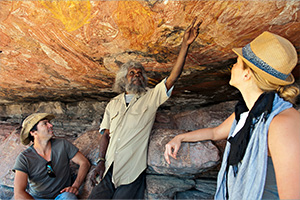
The oldest rock art in the world was found in the remote tropics of northwestern Australia. Stone engravings said to be more than 60,000 years old—at least twice as old as ancient cave paintings in Europe—were discovered on a sandstone monolith in the Northern Territory, near the town of Kununurra.
Camels in the northwest coastal town of Broome are required to wear taillights. Local camel-ride operators have outfitted the rears of their animals with battery-operated bicycle lights to alert motorists, who also use the beaches that the camel-ride operators use.
Camels were introduced to Australia to help carry goods into the Outback. Cameleers from various countries, including Afghanistan, accompanied the camels and the famous train, the Ghan, which runs from Darwin to Adelaide, is named after them. Many camels have gone wild or feral and are a problem in parts of the Outback. Camel meat is served in some restaurants.
Kangaroos may be the national symbol, but they're also a source of protein. Kangaroo meat is an A$42 million-a-year industry in Australia, and hunters are licensed to kill more than 5 million kangaroos annually. Emu, the world's second largest flightless bird, is also served in some restaurants. Australia is probably the only country in the world where the two animals on its coat of arms, are eaten.
Australians are prolific nicknamers. Aussies (pronounced ozzies) call mosquitoes mozzies, surfers surfies, swimming costumes cossies and barbecues barbies. Even the toughest leather-clad, two-wheeled road hog will refer to himself as a bikie. That's just the start of it but if you are unsure of any term, ask and it is usually explained.
Park officials at Uluru (Ayers Rock) support and encourage the Aboriginal belief that stone fragments taken from the site are cursed. Officials hope that this will help stop visitors from pilfering rock fragments to take home as souvenirs. So far, nearly 900 lbs/400 kg of the "conscience rocks" have been returned to park officials, many accompanied by notes describing the bad luck they caused.
Contact us for the latest Australia deals.
















 CLIA Certified (Cruise Lines International Association)